Sign In
By signing in or creating an account, you agree with Associated Broadcasting Company's Terms & Conditions and Privacy Policy.
By signing in or creating an account, you agree with Associated Broadcasting Company's Terms & Conditions and Privacy Policy.
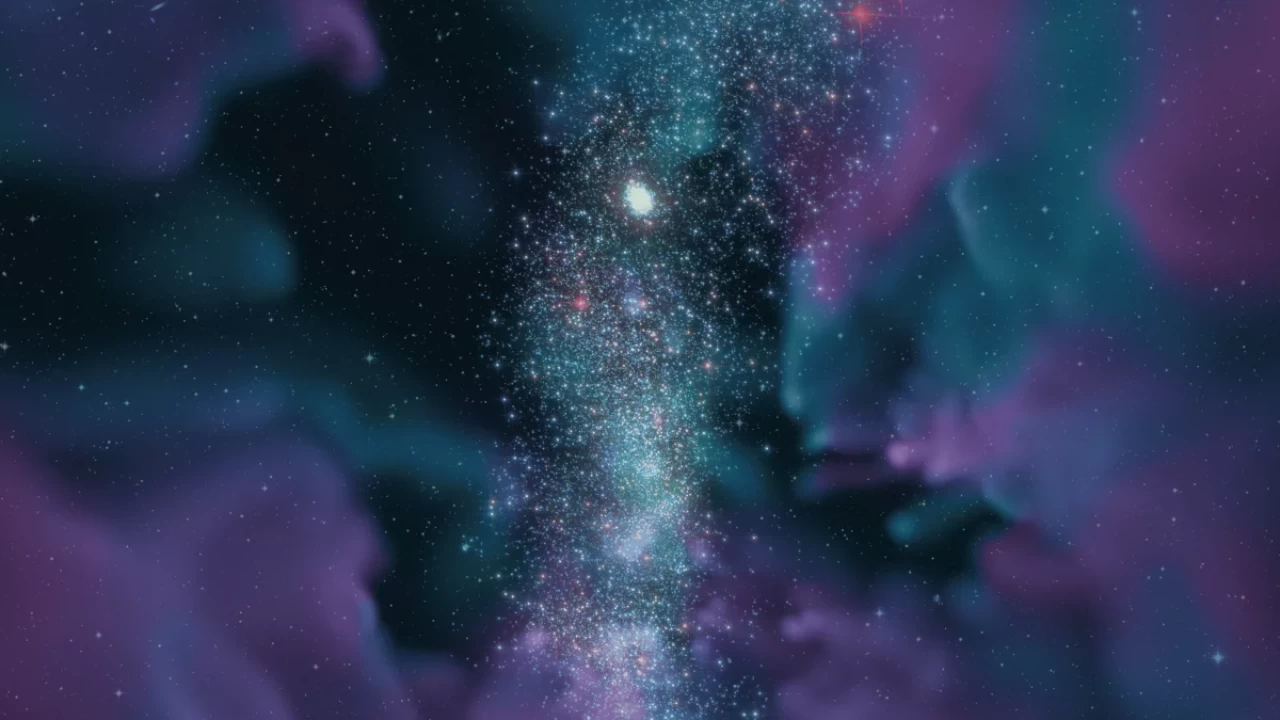

Globular clusters are some of the oldest and most dense star systems in the universe, andastronomers have long argued about the origins of globular clusters. These groups, which are hundreds of thousands to millions of stars, orbit galaxies such as the Milky Way. They have no sign of dark matter, unlike galaxies, and uncharacteristically smooth stars, so scientists are at a loss of how to explain their origin.
This centuries-old mystery has now been solved by researchers at the University of Surrey through the use of high-resolution EDGE simulations, and their study was also published in Nature. The simulations that followed the history of the universe of 13.8 billion years included naturally forming globular clusters. During the process, the team had identified an entirely new form of star system – globular cluster-like dwarfs that have the potential to exist already in our galaxy.
The EDGE simulations give astronomers the chance to observe the development of the star systems in the virtual universe in real time. They unveiled several avenues of how globular clusters can form and how a new category of objects that are situated in between globular clusters and dwarf galaxies can be formed. They are not dominated by the dark matter as traditional dwarf galaxies are, but as globular clusters do, these dwarf globular clusters resemble ordinary star clusters but have large amounts of dark matter.
The ultra-faint Reticulum II is already a potential example of such objects since it is present in some of the nearby satellites of the Milky Way. When confirmed, they have the potential to provide the first-ever opportunities to research dark matter and look for the first metal-free stars in the universe. The finding also emphasises the strength of highly developed simulations that were being completed on the DiRAC National Supercomputer in the UK, which had the ability to capture the effects as small as the supernovae themselves.
Scientists next have to validate these findings with the telescopes, which include the James Webb Space Telescope. The successful observations can transform our knowledge on the formation of star systems, and they will offer important evidence on the first phases of the universe.