Sign In
By signing in or creating an account, you agree with Associated Broadcasting Company's Terms & Conditions and Privacy Policy.
By signing in or creating an account, you agree with Associated Broadcasting Company's Terms & Conditions and Privacy Policy.
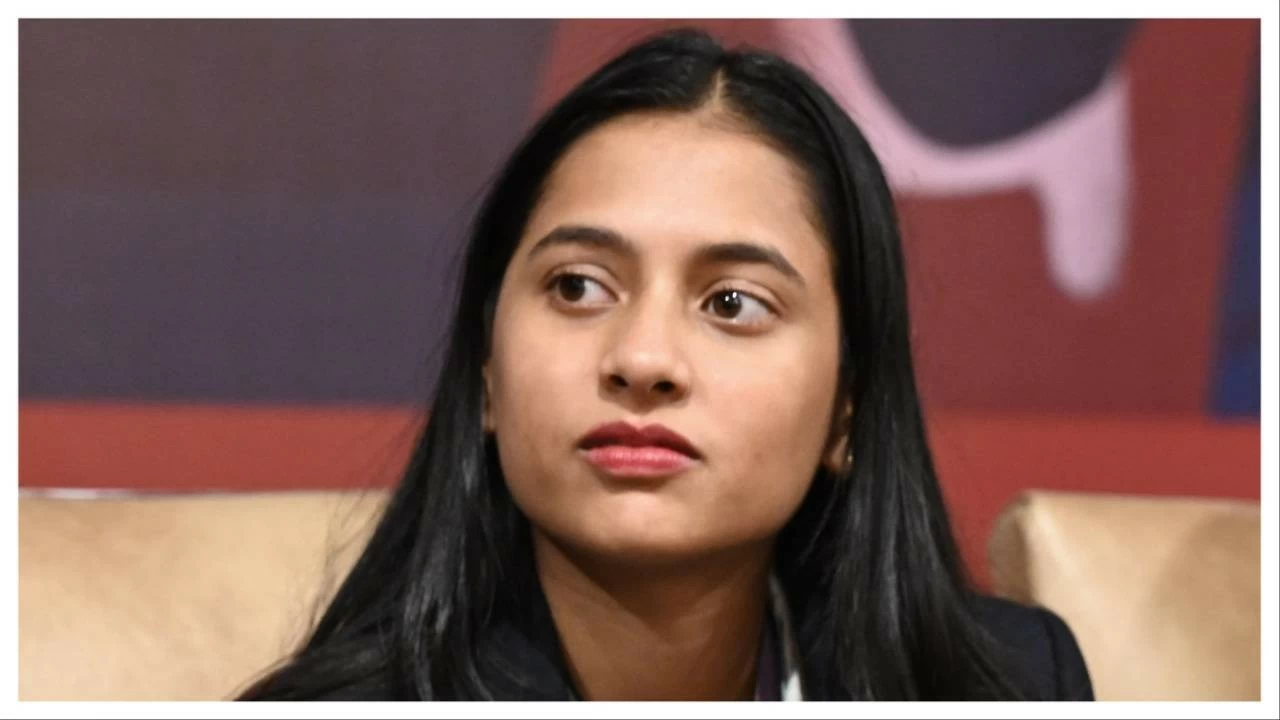


New Delhi: At just 19 years old, Divya Deshmukh carved her name into the history books by winning the 2025 FIDE Women’s World Cup. In a tense and emotional final, she defeated Indian chess legend Koneru Humpy to become the new women’s world champion. The win not only made her the fourth Indian woman to achieve Grandmaster status but it also came with a handsome reward of $50,000.
While the prize money marks a high point in Divya’s career but her victory has also put the spotlight on a pressing issue in the world of chess related to the pay gap between male and female players. Despite her historic win and the significance of the title, the amount she received is less than half the amount awarded to the winner of the Open category.
The runner-up Koneru Humpy received $35,000, which is quite a notable drop from the winner’s amount but still among the highest rewards in the women’s competition. The total prize pool for the 2025 Women’s World Cup stood at $691,250, distributed across different rounds. While this figure reflects a slight increase compared to previous editions but it is still very less in comparison to the multimillion-dollar pool in the Open section.
To put the gap into perspective, D Gukesh when he won the 2024 FIDE World Championship recieved a ₹11.45 crore (approximately $1.37 million). In contrast, Divya’s prize money make up less than 4% of that amount despite both tournaments featuring similar formats and time controls.
All players were paid based on the round they reached starting with $3,750 in the first round and increasing with each stage. The structure ensures players are compensated for progress but the gulf in top rewards remains a point of debate. The women’s champion’s prize money has remained unchanged since 2021 raising eyebrows especially given FIDE’s efforts to modernize the sport.
Though women are eligible to compete in the Open category but they face tougher competition and have fewer available slots which lead most to participate in the women’s section. As a result, even top-level female players earn significantly less comapred to men. Therefore, Divya’s triumph isn’t just about a title; rather it has become a symbol of the ongoing conversation about fair treatment and gender parity in sports.