Sign In
By signing in or creating an account, you agree with Associated Broadcasting Company's Terms & Conditions and Privacy Policy.
By signing in or creating an account, you agree with Associated Broadcasting Company's Terms & Conditions and Privacy Policy.
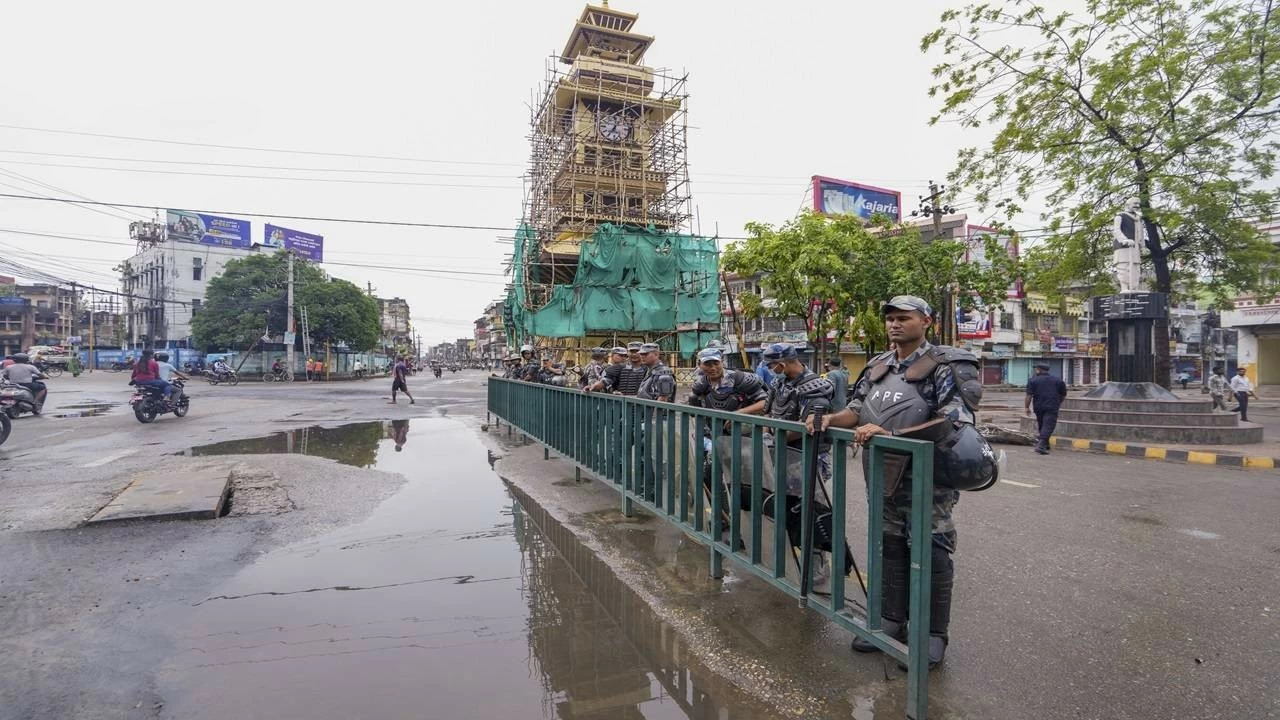


New Delhi: Dust is settling on Nepal protests and the unrest is showing signs of waning. The parties are holding discussions on forming an interim government that can help tide over the political crisis. The streets have grown silent as the protesters huddle to discuss their next move.
Two days of aggressive demonstrations saw Nepal coming to a standstill. It also took a toll on human lives -- over 20 were killed. Public and private properties were also damaged, many of them set ablaze. The situation came under control after the Nepal army took over and troops were deployed, with a curfew put in place.
However, the protests have left a trail of destruction and the cost of the movement has been extremely high. The agitators -- mostly the Gen Z protesters -- on Monday took to the streets to oppose the government’s decision to ban social media apps such as Facebook, X and more. They started marching towards the Parliament in Kathmandu when they were stopped, most brutally. Bullets, teargas, batons and water cannons were used. The violence resulted in the death of 19 youths and left over 200 injured.
The protests snowballed into a movement against government corruption, nepotism and favouratism. The next day, the agitation took a more violent form, with demonstrators going berserk and damaging government buildings, including the parliament and other structures within the Singha Durbar. The protesters also vandalised houses of ministers, while setting many of them on fire.
The protests have led to political instability, and even if the interim government takes charge, the transition phase will be long. Since Nepal became a republic in 2008, it has seen 14 different governments, with none completing a full five-year term. This speaks long volumes about the deep-rooted political uncertainty and the challenges in establishing sustained governance in the country.
Several names have emerged as contenders for the post of PM in the interim government. Nepal army chief General Ashok Raj Sigdel has been holding talks with Gen Z and trying to reach a consensus. It's a matter of time when the new PM takes charge. However, the political stability can't come overnight. The interim government will have to make massive efforts to restore peace in the country and calm the frayed nerves. Fresh elections are likely to be conducted in the next six months and it has to be ensured that they are held in a free and fair manner, without any disruptions.
Nepal's economy hugely depends on tourism. The protests have taken a heavy toll on this key sector. As the protests raged, Kathmandu's Tribhuvan International Airport was temporarily closed after fires from nearby demonstrations reduced visibility and raised security concerns. The suspension of all domestic and international flights left hundreds of tourists stranded. It will take time to restore the trust of tourists and make them feel secure in a restive and unstable environment.
During the unrest, one of Nepal’s tallest hotels, the Hilton Kathmandu, was destroyed. Images showed that the five-star property was blackened by smoke, with shattered windows, scorched walls, and extensive damage by blaze. Such images can easily put off tourists and leave them edgy about visiting the Himalayan nation.
The chaos has also dealt a blow to local businesses, including tour operators. They are suffering losses, as they struggle to recover from cancelled bookings and steep slump in tourist arrivals. Nepal will have to make sustained efforts to rebuild the country’s image as a peaceful, safe and tourist-friendly destination. It will be an uphill task and a major challenge.
Political instability and unrest could also drive away foreign investors, as they may think twice before investing or expanding their operations because of security concerns, infrastructure breakdowns, and a climate where it's unsafe to do business.
Nepal is a landlocked country. The Himalayan nation relies heavily on road transport for majority of its trade with other nations, including India. Therefore, if these roads face hinderance during transportation, the business could be badly affected.
As Ajay Srivastava, co-founder, Global Trade Research Initiative (GTRI) reportedly said: “Any disruption in transport routes, customs operations, or cross-border logistics could delay shipments, impacting both Indian exporters and Nepali consumers who rely on these goods.”
During the recent protests, the Kakarvitta-Panitanki crossing, 34 km from Bengal’s Siliguri, witnessed protesters burning tyres, putting up road blockades and setting fire to a customs building. Indian authorities were forced to block routes, fearing spillover of the violence.
If road transport faces disruption, trade may come to a halt. Some time back, agitations and protests in Nepal had slowed or halted the movement of goods, and delivery of key supplies between the two countries was affected.
Such disruptions do not only impact daily business but also increase the cost of goods. There could be crunch in essential items like food, fuel, and medicine that can go a long way in hitting the common consumers. If the political instability drags out, it could undermine Nepal's economic ties with other nations, which could be detrimental for regional collaboration.