Sign In
By signing in or creating an account, you agree with Associated Broadcasting Company's Terms & Conditions and Privacy Policy.
By signing in or creating an account, you agree with Associated Broadcasting Company's Terms & Conditions and Privacy Policy.
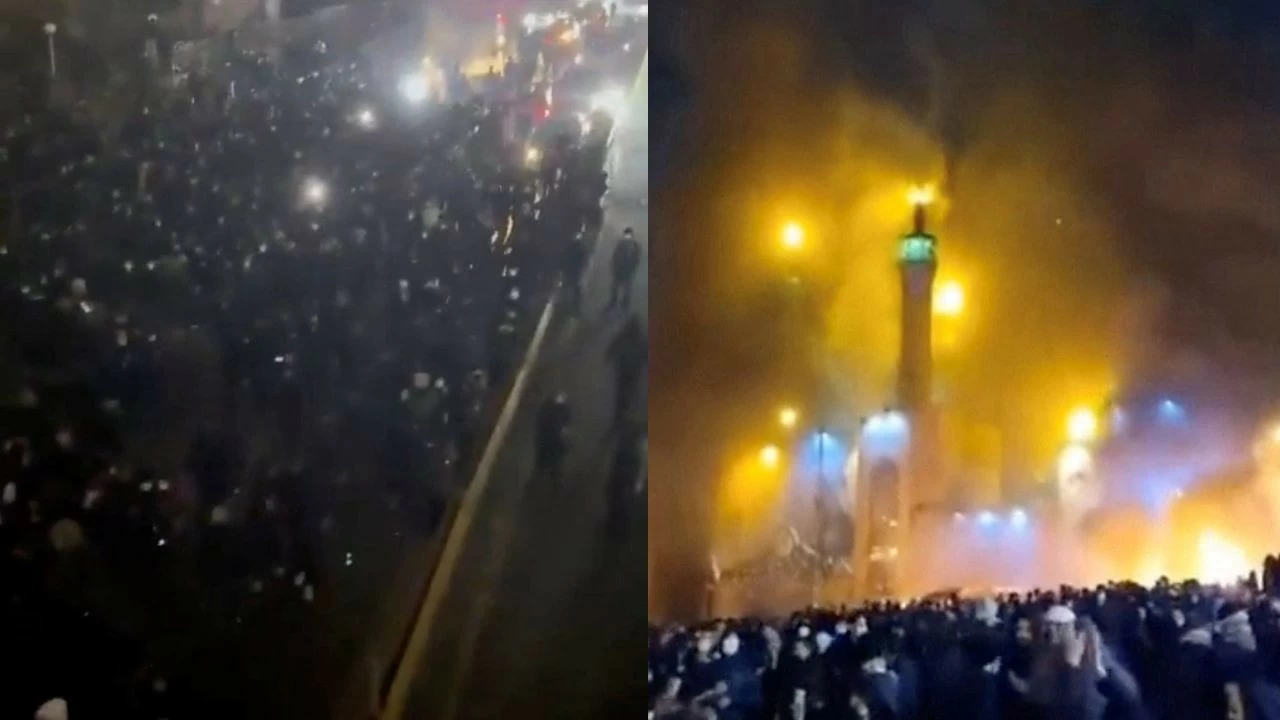


What began as a localised outcry over the soaring cost of bread and basic survival has mutated into the deadliest challenge to Iran in decades. As the unrest continues, rights groups are sounding a global alarm that the death toll has surged past 500.
A growing list of the fallen
The scale of the is large, though the exact figures remain trapped behind a state-imposed "digital curtain." The Norway-based NGO Iran Human Rights (IHR) has verified at least 192 deaths but warns that the true number likely reaches into the hundreds. The group quoted some unverified reports suggesting as many as 2,000 fatalities in the last 15 days.
“This is a mass killing,” IHR declared, labelling the crackdown a “major international crime.” Meanwhile, Human Rights Activists in Iran (HRA) reported that among the 420 people confirmed dead over the last 15 days, at least eight were children.
Bodies wrapped in black bags
Despite a 72-hour nationwide internet blackout designed to stifle dissent, graphic evidence has trickled out. Authenticated footage, reported by news agency AFP, from a morgue in Kahrizak, south of Tehran, reveals a harrowing scene. The footage showed dozens of bodies wrapped in black bags lining the floor as distraught relatives wandered among them, searching for the faces of the missing.
From inflation to call for regime change
The spark was economic, furious citizens protesting runaway inflation and a shattered economy. However, the fire quickly jumped to the very foundations of the state. The movement has now evolved into a broad-based uprising against the theocratic system installed after the 1979 revolution.
In response, the state has deployed a heavy hand. More than 2,600 people have been dragged into custody, and monitoring group NetBlocks confirms that the internet shutdown has crippled communication.
Exile prince’s call to the streets
From exile, former crown prince Reza Pahlavi has seized the moment, characterising the unrest as a "national uprising" to overthrow the Islamic Republic. In a dramatic address, he urged Iranians to occupy central squares and declared state-run media and communication centres, the tools of "false propaganda", to be legitimate targets.
"The freedom of Iran is near," Pahlavi proclaimed, calling on security forces to defect and urging Iranians abroad to reclaim embassies and hoist the national flag.
Foreign enemies
The Iranian leadership, however, remains unyielding. President Masoud Pezeshkian took to state television to blame the bloodshed on external actors, accusing adversaries of smuggling "terrorists" into the country to stoke the flames.
State media has counter-balanced the narrative of protester deaths by broadcasting images of burning mosques and funerals for security personnel, insisting that the government is merely defending the nation against a foreign-backed conspiracy.
Meanwhile, US President Donald Trump said he is weighing a range of responses, including possible military options, as the unrest escalates.
A US official told Reuters that Trump is expected to meet senior advisers on Tuesday to discuss options on Iran.