New Delhi: The double standards in US foreign and anti-drugs policy has been exposed.
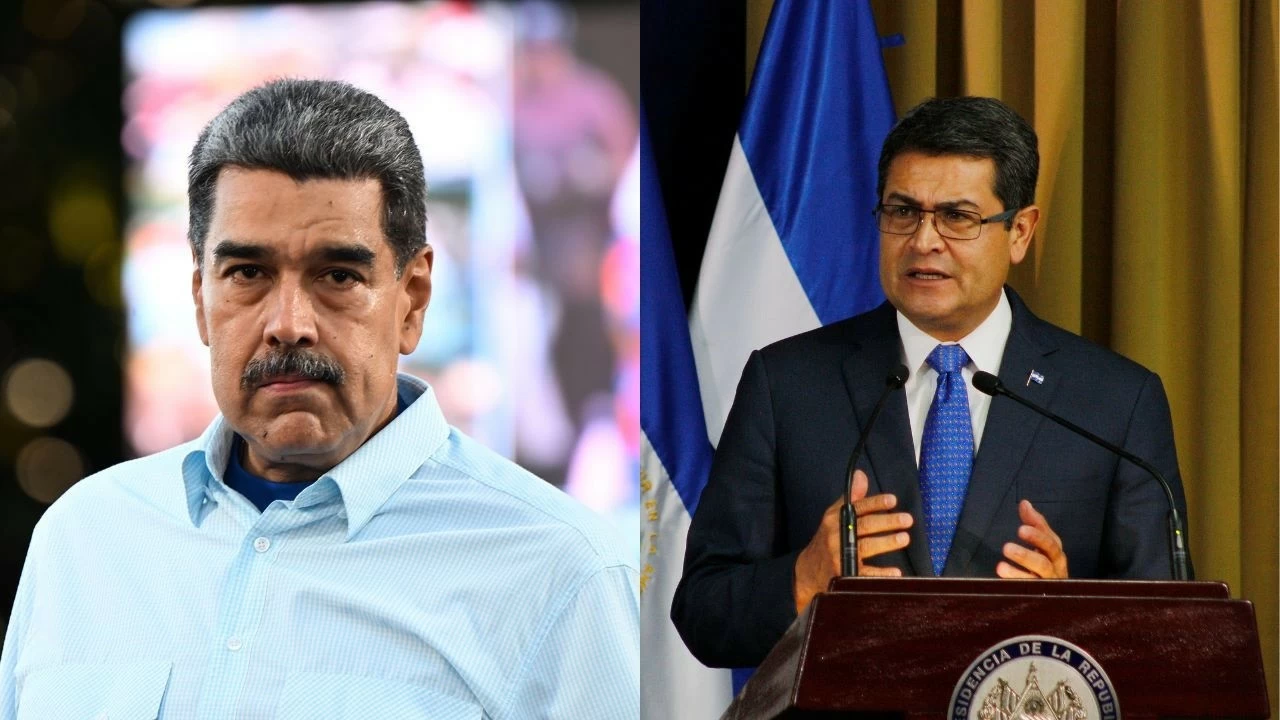
On Saturday, Venezuela’s President Nicolás Maduro was captured in a military-like operation and taken to the United States to face charges of drug trafficking. However, some time back, former Honduran President Juan Orlando Hernández was pardoned for the same crime. The US approach to the two leaders exposes the dichotomy. Is it politics or principle that underlines the US policy?
Both leaders were accused of running corrupt systems linked to drug trafficking and election manipulation. However, while one was cast as an international criminal to be captured and prosecuted, the other was pardoned through presidential clemency. While absolving him in December, Trump described Hernández as a victim of political persecution. At the time, Trump had also remarked the former Honduran leader had been “treated very harshly and unfairly”.
This contradictory stance and treatment has drawn huge flak not just from Democrats, but also from allies within Trump’s own Republican Party. The sharpest criticism came from former House Speaker Nancy Pelosi. Taking to X, she wrote: “If the President grounds his actions on the basis of drug trafficking charges, it is entirely hypocritical in light of his recent pardon of former Honduran President Juan Orlando Hernández who was responsible for bringing more than 400 tons of cocaine in the United States in order to ‘shove the drugs right up the noses of the gringos.’”
"The Administration says Maduro will be tried for drug trafficking in a U.S. court — but Hernández was convicted of the same crime by an American jury and Trump pardoned him," she pointed out.
Both the cases of Hernández and Maduro originate from Drug Enforcement Administration (DEA) investigations launched around 2010. In each instance, the same DEA unit carried out the investigations, under the eye of the identical investigative team in the US Southern District.
Why was Hernández arrested
In 2022, Hernández was apprehended soon after leaving office and extradited to the United States to face charges of drug trafficking and illegal arms possession. Federal prosecutors alleged that he had accepted a $1 million bribe from drug lord Joaquín “El Chapo” Guzmán during his first presidential campaign.
Prosecutors alleged that he had built his political career on millions in bribes from drug traffickers in Honduras and Mexico, facilitated the transport of at least 400 tons of cocaine to the north, and protected traffickers from extradition and legal action. US authorities claimed Hernandez “paved a cocaine superhighway to the United States”.
In 2024, Hernandez was tried. It lasted three weeks. A US judge sentenced him to 45 years in prison, terming the evidence as overwhelming.
Hernández denied all charges, claiming that the witnesses against him were drug traffickers seeking revenge or lighter sentences. He emphasised his innocence, contending that he was being targeted for extraditing powerful criminals to the US.
Trump's pardon
In December last year, Trump pardoned Hernández, just when the US forces were hitting at alleged Venezuelan drug boats and Trump had taken a hard stand on his drug war. The Wall Street Journal reported that "Trump pardoned Hernandez so quickly that White House chief of staff Susie Wiles and other senior officials had no advance notice”.
Trump's clemency came amid strong lobbying from people close to Trump. Later, Axios reported that Hernandez had sent Trump a four-page letter in October lavishing praises on him and urging a review of his case “in the interest of justice”. Trump later reportedly said that he believed the prosecution “was a Biden setup”.
Senator Bill Cassidy had posted on X: “Why would we pardon this guy and then go after Maduro for running drugs into the United States? Lock up every drug runner! Don’t understand why he is being pardoned.”
What are the charges Maduro is facing
The US commando carried out a raid in Caracas and captured Maduro and his wife, Cilia Flores. "Operation Absolute Resolve", which took months of meticulous planning, killed at least 40 in Venezuela, The New York Times reported.
They were brought to a federal courthouse in Manhattan on Monday ahead of their arraignment. The couple face charges, including narco-terrorism and conspiracy to import cocaine, according to an unsealed indictment.