Sign In
By signing in or creating an account, you agree with Associated Broadcasting Company's Terms & Conditions and Privacy Policy.
By signing in or creating an account, you agree with Associated Broadcasting Company's Terms & Conditions and Privacy Policy.
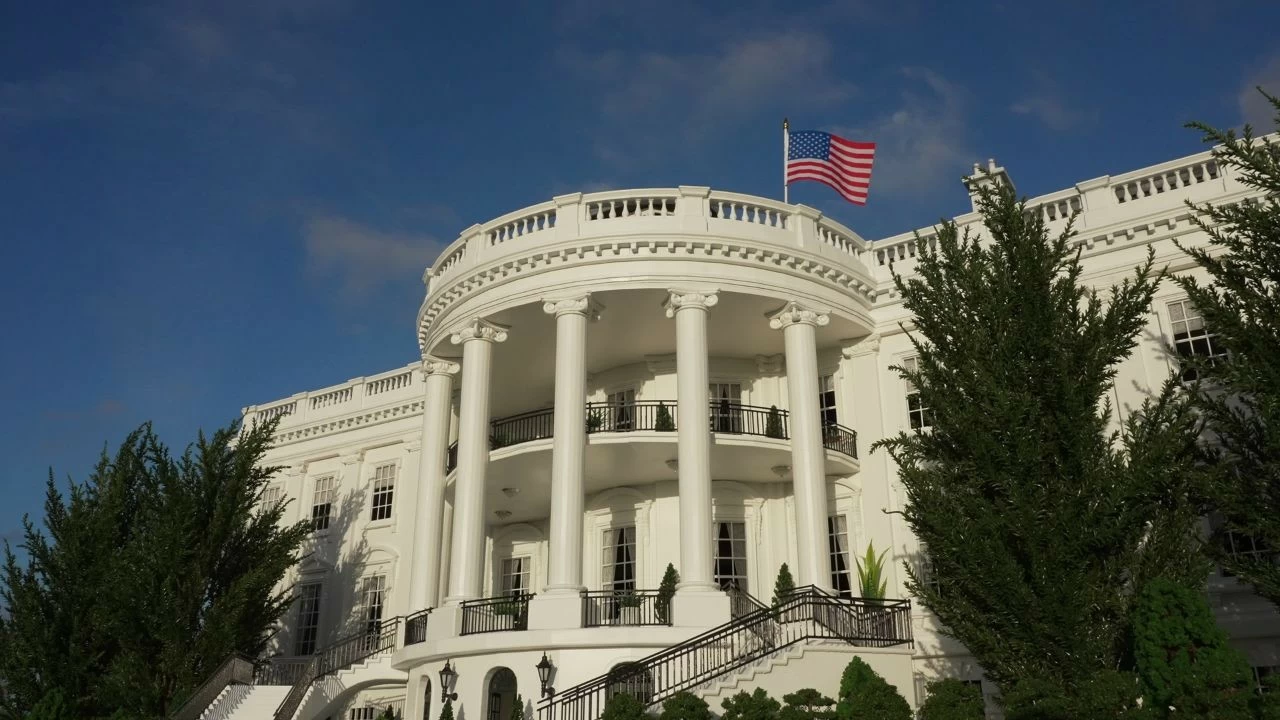


The US' longest-ever government shutdown, a crippling 40-day stalemate, is finally on the brink of resolution. A deal brokered by a group of moderate Senate Democrats has emerged, poised to reopen federal agencies and provide a reprieve for hundreds of thousands of furloughed workers, though significant policy battles, particularly concerning Obamacare subsidies, loom large.
According to the report, the proposed agreement outlines a path to full-year funding for key departments, including Agriculture, Veterans Affairs, and Congress itself. However, other agencies will be funded through January 30th, providing a temporary fix. Crucially, the deal promises to deliver overdue paychecks to federal employees, reinstate suspended payments to states and localities, and bring back furloughed workers, according to the Blooomberg report.
A procedural vote is scheduled in the Senate for Sunday, serving as a critical test of support. While a successful vote could expedite the reopening process, the Senate's rules allow any single senator to force days of delay and extensive debate. Following Senate approval, the bill will proceed to the House of Representatives, where Speaker Mike Johnson has indicated lawmakers will be given two days' notice to return and vote on the measure.
However, passage in the House is far from guaranteed. Democratic leaders, spearheaded by House Democratic leader Hakeem Jeffries, have voiced strong opposition to any deal that does not include an extension of expiring Obamacare subsidies, a provision notably absent from the current agreement. Conversely, conservative Republicans are pushing for a comprehensive funding bill that would cover the entire government until September 30th of next year.
This hard-won accord, while a face-saving measure for many, falls significantly short of the original demands of both House and Senate Democratic leaders. Their initial calls for an extension of Obamacare premium subsidies and a repeal of recent Republican-led Medicaid cuts have been largely sidelined. Democrats have vowed to "fight the GOP bill in the House of Representatives," as stated by Jeffries on Sunday night, Bloomberg reported.
Instead, the crucial support from moderate Senate Democrats was reportedly secured by a promise of a Senate vote later this year on extending the Affordable Care Act subsidies, a pledge previously made by Senate Majority Leader John Thune weeks ago.
Democrats had previously voted 14 times to block a no-strings-attached stopgap measure passed by the House on September 19th, which would have extended government funding until November 21st. The shutdown officially became the longest in U.S. history on Wednesday, surpassing the 35-day closure of 2018-2019 under the Trump administration.
On Friday, Senate Democratic leader Chuck Schumer had indicated a willingness to allow the government to reopen in exchange for a one-year extension of expiring Obamacare tax credits. However, this offer was swiftly rebuffed by Republicans, many of whom advocate for a complete overhaul of Obamacare with an as-yet-undisclosed GOP alternative.
The Republican strategy involved stonewalling Democratic demands for $1.5 trillion in new spending by keeping the House out of session since September 19th. The White House amplified the pressure by mass-firing government employees, threatening to withhold pay for over 600,000 furloughed federal workers, and working to circumvent court orders mandating food stamp benefits.