Sign In
By signing in or creating an account, you agree with Associated Broadcasting Company's Terms & Conditions and Privacy Policy.
By signing in or creating an account, you agree with Associated Broadcasting Company's Terms & Conditions and Privacy Policy.
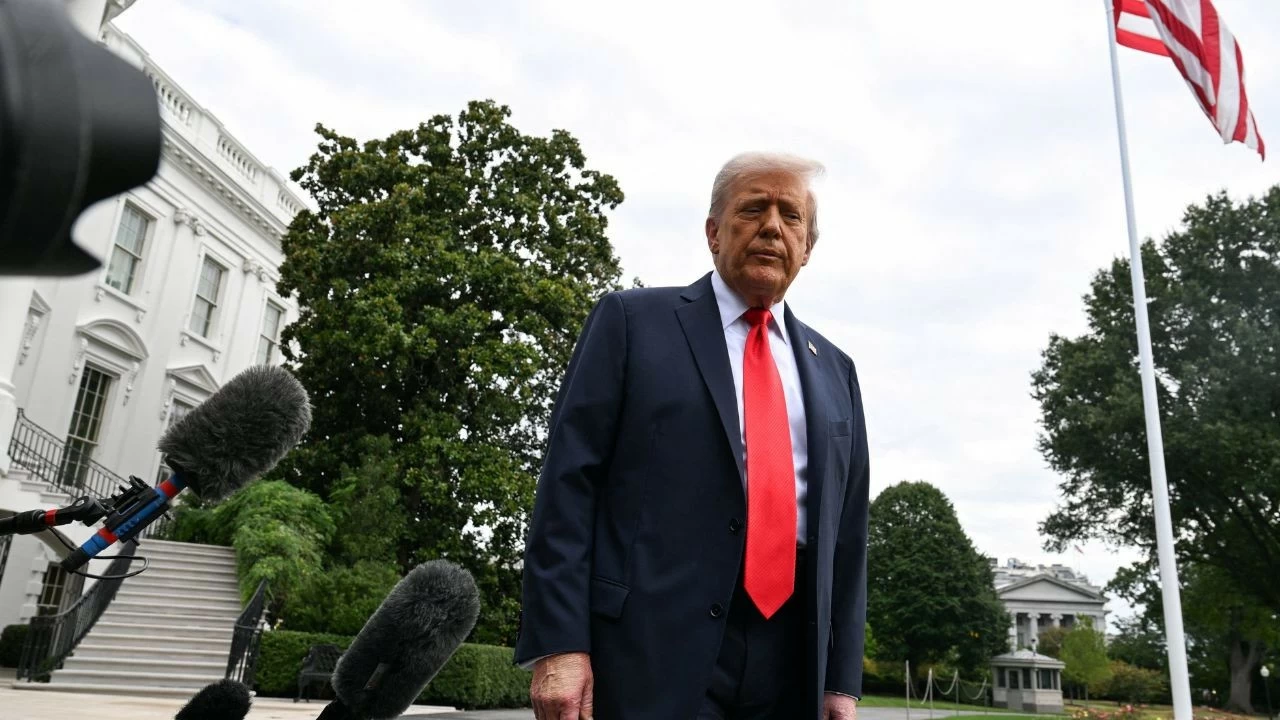

New Delhi: An unconventional diplomatic idea is said to be gaining quiet traction in Washington, the creation of a ‘Core 5’ or ‘C5’ forum that would include the United States alongside China, Russia, India and Japan, according to a report by Defense One. The proposal, the report said, was outlined in an unpublished draft of the US National Security Strategy. The document reportedly sketches a new approach to engaging major global powers outside the traditional G7 grouping. Politico has also referred to the idea, describing it as “far-out but not shocking”.
As envisioned, the C5 would bring together some of the world’s most influential and populous nations, each with more than 100 million people and significant geopolitical weight. The draft strategy reportedly suggests holding regular summits under the proposed framework, each centred on specific themes. The first such meeting, according to the report, would focus on security in the Middle East, including efforts aimed at normalising ties between Israel and Saudi Arabia.
Observers say the proposal points to a notable shift in US strategic thinking. Rather than relying primarily on long-standing European alliances, Washington appears to be exploring deeper engagement with emerging and established powers that play decisive roles in regional and global affairs.
The unpublished strategy cited by Defense One is also said to reflect a broader reassessment of US influence in Europe, indicating that the United States may increasingly work through partnerships with powerful states capable of shaping outcomes independently. Analysts note that the idea fits into a more transactional style of diplomacy, prioritising practical cooperation and direct engagement over alliances driven mainly by shared ideology.
According to Politico, several national security professionals view the C5 concept as broadly in line with current US strategic thinking, particularly its emphasis on negotiating directly with key global players. Both Defense One and Politico reported that the proposed framework is intended to create space for dialogue on pressing international challenges, ranging from Middle East security and technological rivalry to wider debates over global governance and influence.