

Sign In
By signing in or creating an account, you agree with Associated Broadcasting Company's Terms & Conditions and Privacy Policy.
By signing in or creating an account, you agree with Associated Broadcasting Company's Terms & Conditions and Privacy Policy.
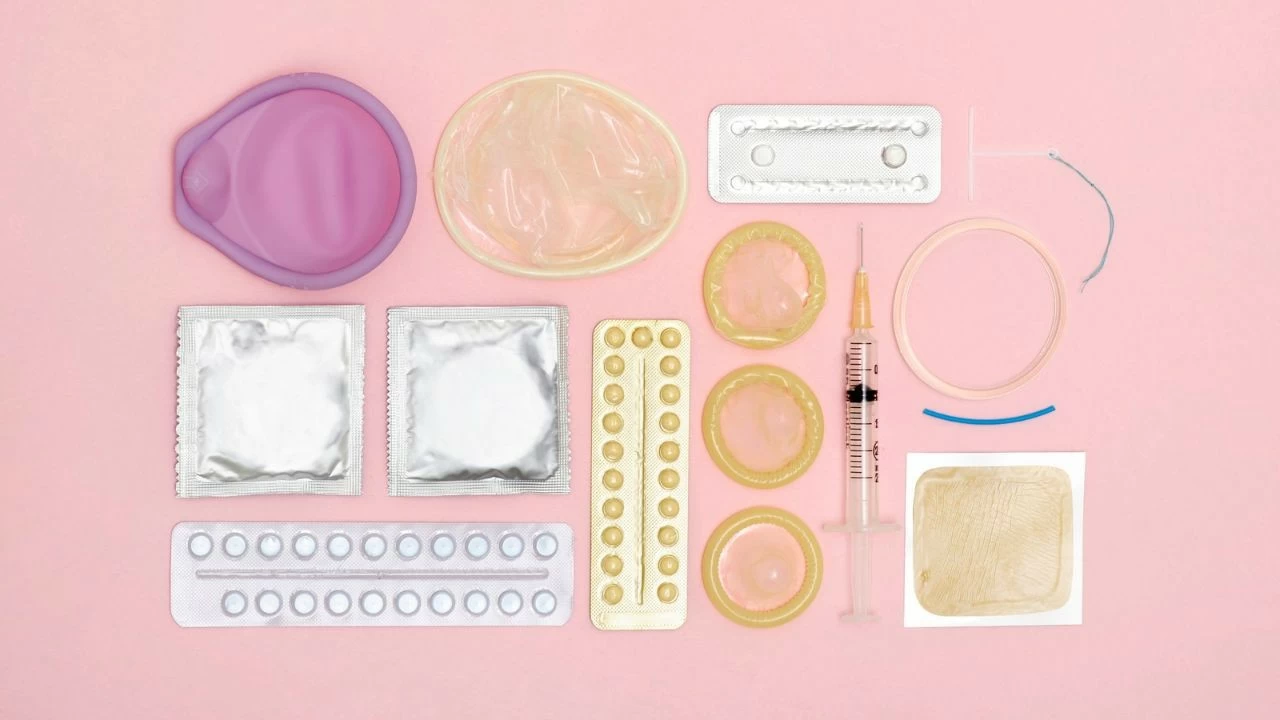

New Delhi: China will begin levying a value-added tax (VAT) on contraceptive drugs and products from January 1, ending more than three decades of tax exemption and triggering public debate over Beijing’s attempts to reverse the country’s demographic decline.
Under China’s latest VAT law, “contraceptive drugs and products” will no longer be exempt from taxation. Items such as condoms will be subject to the standard 13 per cent VAT applied to most consumer goods. While state-run media have played down the change, it has gone viral on Chinese social media, where many users mocked the move as disconnected from economic realities.
Several commentators joked that no tax on condoms could outweigh the far higher costs of raising a child. Others expressed deeper concern that higher prices could discourage contraceptive use, potentially leading to more unplanned pregnancies and a rise in sexually transmitted diseases.
China’s family planning policies have undergone dramatic reversals over the past four decades. The strict one-child policy, enforced from around 1980 to 2015, relied on heavy fines, intrusive monitoring and, in some cases, forced abortions.
Children born outside official limits were sometimes denied household registration, effectively excluding them from citizenship rights. As birth rates fell and the population aged, the government raised the limit to two children in 2015 and then to three in 2021, while rolling out incentives to encourage families to have more children.
Despite these efforts, China’s births have continued to decline. In 2024, the country recorded 9.5 million births, down sharply from 14.7 million in 2019, according to official data. Deaths now outnumber births, and India overtook China as the world’s most populous country in 2023.
Demographers say the contraceptive tax is unlikely to shift fertility trends. “A 13% tax on contraceptives is very unlikely to influence reproductive decisions when weighed against the cost of raising a child,” said Qian Cai of the University of Virginia. Others argue the move simply reflects a policy reset. “They once restricted births and now want more babies. Treating these products as ordinary commodities is a return to normal,” said Yi Fuxian of the University of Wisconsin-Madison.
Women’s rights advocates, however, see the change as another attempt to regulate women’s bodies. With women bearing most responsibility for birth control, critics warn that reduced access to contraceptives could worsen public health risks in a country already reporting rising sexually transmitted infections and high abortion numbers.