New Delhi: The UAE has withdrawn its forces from Yemen after a Saudi airstrike on Yemenese port city of Mukalla. This will help ease tension between the two Gulf nations, but the attack has brought to the fore the simmering mistrust between the two.
After the airstrike, Saudi Arabia asked all UAE forces to be called back from Yemen. The UAE responded by saying that it was taken aback by the strike, shortly before declaring that it was pulling its remaining forces from Yemen for their safety.
Why Saudi hit Yemenese port city
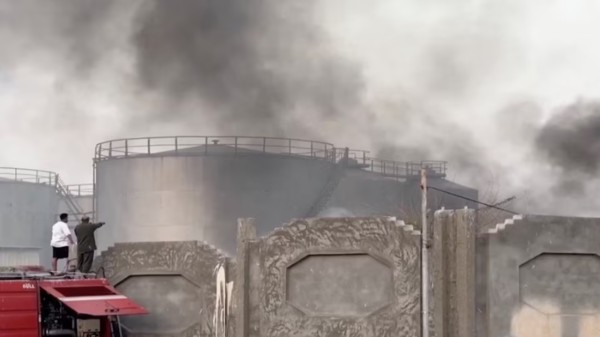
The airstrikes on Mukalla came days after Saudi Arabia alleged that the UAE was sending weapons to the Southern Transitional Council (STC), a powerful group pushing for southern Yemen’s independence. Saudi officials claimed the arms were shipped from the UAE’s Fujairah port with tracking systems switched off and unloaded in Yemen without permission. The port was later bombed by Saudi jets, after civilians were instructed to evacuate.
Saudi Arabia said: “The kingdom stresses that any threat to its national security is a red line, and the kingdom will not hesitate to take all necessary steps and measures to confront and neutralise any such threat.”
In response, UAE's Foreign Ministry said: "The UAE categorically rejects any attempt to implicate it in the tensions between Yemeni parties and condemns the allegations of pressuring or directing any Yemeni party to carry out military operations that threaten the security of the Kingdom of Saudi Arabia or target its borders..."
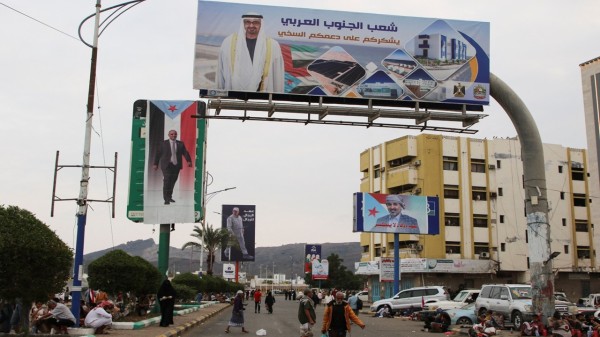
In Yemen, both countries back different factions: Saudi Arabia supports the internationally recognised government, while the UAE has backed the STC. Saudi formed a coalition which supports the internationally recognised government as it wishes to prevent the Iran-backed Houthis. In 2015, the UAE joined the coalition. However, in the last decade, it has followed its own approach and strategy, while expanding its footprint in southern Yemen through local militias and joining hands with the STC. Riyadh considers the UAE’s alleged arms support to the STC as a challenge to its authority and influence in Yemen. These differences highlight the deeper rivalry and fragile cooperation within the Saudi-led coalition.
Mukalla's strategic importance
Mukalla is located on Yemen’s southeastern coast along the Arabian Sea near the Gulf of Aden. It sits on a key route through which Arabian oil and gas is shipped to Europe. For Saudi Arabia, the location of Mukalla is also strategically crucial as it lies along its southern border and is close to areas vulnerable to separatist and Iranian influence. By pounding Mukalla, Saudi Arabia wanted to send a clear message that UAE-linked actions were unacceptable. It is also been reported by AP that Riyadh had launched airstrikes on STC on December 26, another sign of warning that Saudi Arabia wanted to sound to the outfit which is UAE-backed.
Both Saudi Arabia and the UAE have engaged in talks with Yemeni groups to bring stability in Yemen. The STC has resisted calls from the Saudi-led coalition to pull back its forces from captured areas, insisting it will continue to secure Hadramout and the eastern Mahra province.
While the UAE’s withdrawal have calmed immediate tensions, the rival interests in southern Yemen will continue to persist. Any perceived threats to influence of both Gulf nations could reignite the conflict further.
The Saudi-UAE dispute risks triggering a civil war in southern Yemen and may also fuel regional tensions, extending to Sudan and the Horn of Africa.