Sign In
By signing in or creating an account, you agree with Associated Broadcasting Company's Terms & Conditions and Privacy Policy.
By signing in or creating an account, you agree with Associated Broadcasting Company's Terms & Conditions and Privacy Policy.
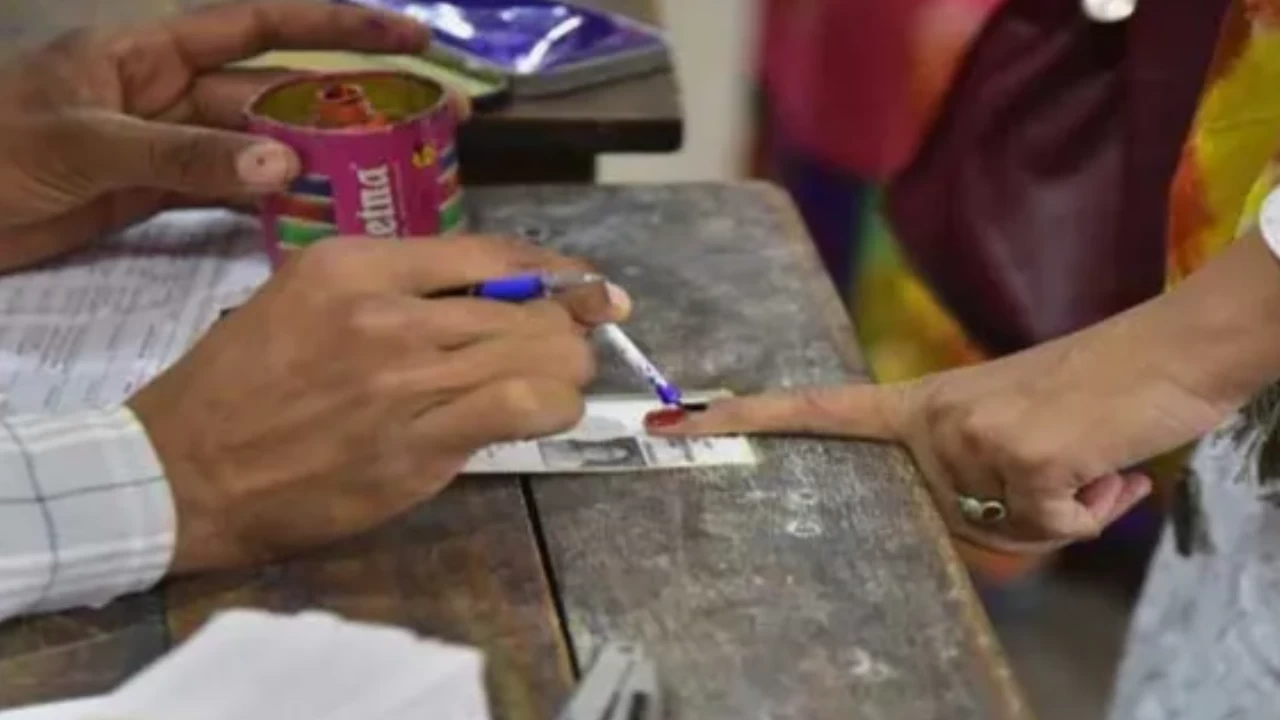


New Delhi: Elections to the Greater Bengaluru Authority (GBA) will be held in five municipal corporations by June 30, the Karnataka State Election Commission (SEC) announced on Monday. The draft electoral roll for 369 wards was published on Monday.
Authorities have urged voters to cross-check their names in the draft list and submit claims or objections, if any. The SEC also confirmed that the civic polls will be conducted using ballot papers instead of electronic voting machines (EVMs). Karnataka State Election Commissioner G S Sangreshi said the move is significant as ballot papers will be used in Bengaluru civic elections after a gap of 25 years. The commission ruled out the use of EVMs for the upcoming polls.
Civic elections to the GBA will cover 369 wards across five municipal corporations—Bengaluru Central, North, South, East and West. According to Special Commissioner R Ramachandran, a total of 88,91,411 voters figure in the ward-wise draft voters’ list. The draft list is available at https://gba.karnataka.gov.in/home. This includes 45,69,193 men, 43,20,583 women and 1,635 others. The electoral roll has been prepared based on the qualifying date of October 1, 2025.
Booth Level Officer (BLO) verification and the process for filing claims and objections will remain open from January 20 to February 3, 2026. The draft voters’ list has been made available on the official website of the Greater Bengaluru Authority.
Addressing concerns over the decision to use ballot papers, Sangreshi rejected suggestions that the move was taken under government pressure. He emphasised that the State Election Commission is an independent constitutional body empowered to decide the voting method.
“Using ballot papers is a choice. After considering the present scenario and holding detailed discussions, the SEC felt that ballot papers are appropriate. Most voters in Bengaluru have not seen ballot papers over the past 20–30 years, as EVMs have been in use. Ballot papers are also a globally accepted best practice,” Sangreshi said.