
Sign In
By signing in or creating an account, you agree with Associated Broadcasting Company's Terms & Conditions and Privacy Policy.
By signing in or creating an account, you agree with Associated Broadcasting Company's Terms & Conditions and Privacy Policy.
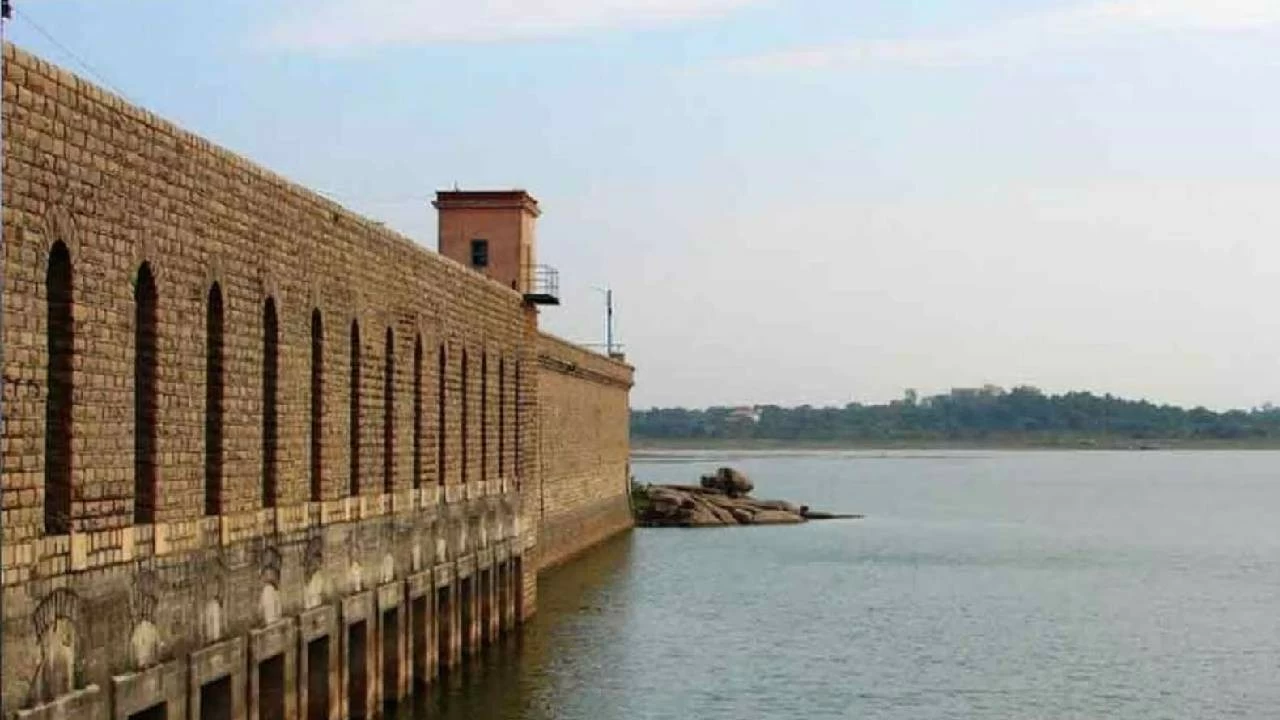


Hyderabad: At least four out of the city’s six drinking water sources – which cater to 80 percent of the drinking water requirement, are highly polluted, academic research papers showed.
A high level of contamination - including sewage and faecal coliform, bacteria and industrial affluents were found at several points in Osman Sagar, Himayat Sagar, Krishna, Godavari, which collectively supply around 470 MGD of drinking water to the city.
Currently, Hyderabad gets about 600 MGD water on a daily basis from about six water sources – Osman Sagar, Himayat Sagar, Manjeera, Singur, Akkampally (Krishna) and Sripada Yellampalli (Godavari). Only Manjeera and Singur remain relatively clean while other four sources show different levels of pollution.
The research studies from premiere academic institutions come after the recent Indore water tragedy, which killed 16 people.
Experts say that even a minor error in the water supply system can contaminate the entire network, leading to serious public health consequences.
Hyderabad residents complain of contaminated water:
Residents in JB colony, Hyderabad complained of contamination of drinking water in their area. “We have been complaining over the contaminated water issue for the last few days. Officials came, identified and fixed it, but the issue remains. Complete black water is coming into several houses in this area.”
Osman Sagar red flags:
Out of the four water sources, Osman Sagar especially is exhibiting the most pollution with heavy metals, microbial pollution and high levels of faecal bacteria.
The water quality index is very poor as untreated sewage is flowing from nearby residential areas. It is also surrounded by industries, which discharge effluents into the lake, the study found.
It also highlighted the need to find where the contamination is and plug those gaps. The study recommended that it should done through strict regulation on local industries and businesses.
Krishna, Godavari river waters face pollution from industries:
Meanwhile, other studies from National Institute of Technology (NIT) Warangal, IIT Hyderabad and National Environmental Engineering Research Institute, conducted in recent times suggest that Krishna, Godavari river waters are facing pollution from various industries.
Pollution in Krishna river originated at industrial clusters including from pharmaceutical units, synthetic chemical industries and others, a report from NIT in March 2025 said.
Hotspots for industrial pollution were identified in districts like Medak, where unregulated industrial activity contributed heavily to pollution, the report stated.
A report from NEERI and IIT-Hyderabad said that untreated waste water is dumped directly into Godavari river from Ramagundam, Mancherial regions. It also highlighted that a landfill was being operated by Ramagundam Municipal Corporation, which is located close to the river.
The report further notes that the pollution sources degrade water quality, impact aquatic life and contribute to health risks for the population.
Water safety risks:
The experts said that an ageing pipeline network also poses an additional risk to drinking water safety. Corroded pipelines and proximity of water supply lines to sewerage lines increase chances of cross contamination, the report said.
HMWSSB responds to water pollution concerns:
The water board has said that raw water quality issues are taken care of during the treatment stage. Pollutant levels are controlled at reservoirs and treated at water treatment plants. Chlorination is done and water undergoes rigorous checks before its supplied, HMWSSB Director (technical), D Sudarshan said.