Sign In
By signing in or creating an account, you agree with Associated Broadcasting Company's Terms & Conditions and Privacy Policy.
By signing in or creating an account, you agree with Associated Broadcasting Company's Terms & Conditions and Privacy Policy.
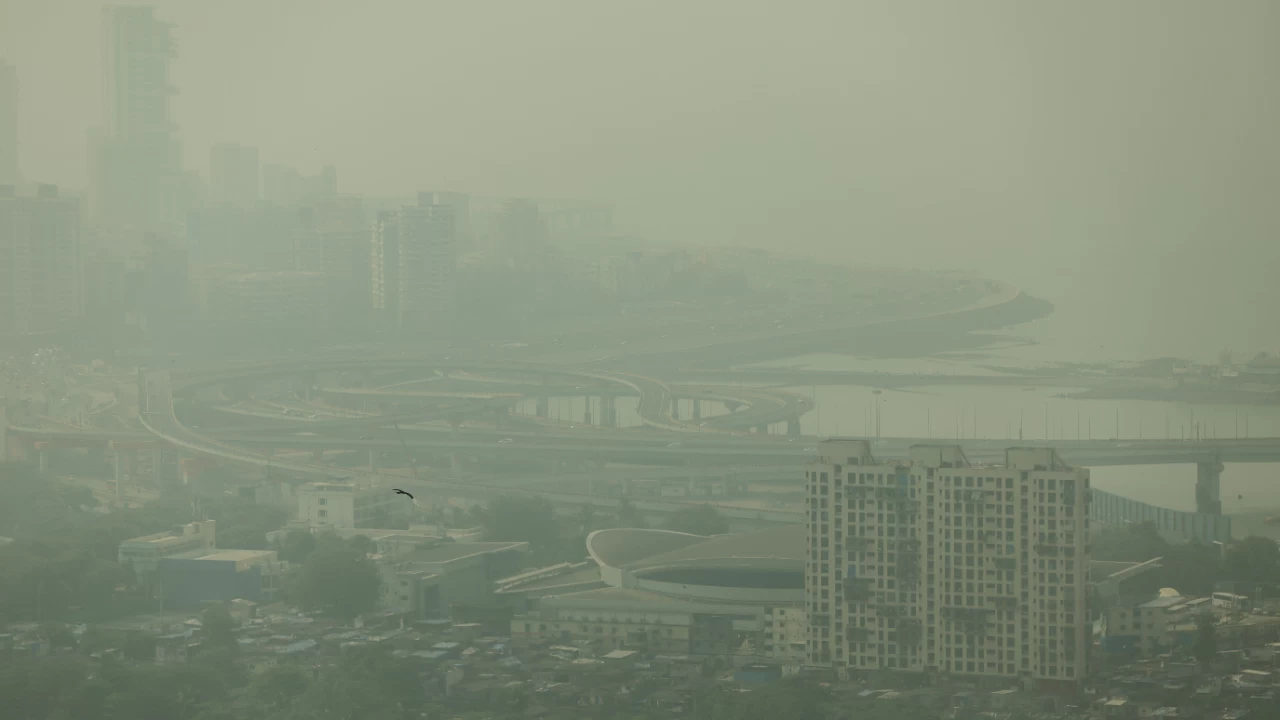

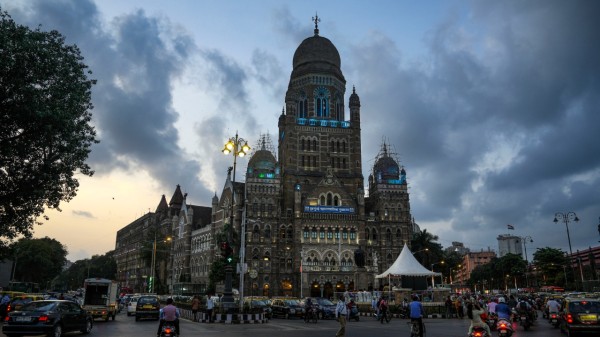
New Delhi: While Delhi has been battered by pollution this winter, it has also affected Mumbai. The 'financial capital of India' has recorded concentrations of PM2.5 on a consistent basis.
To those uninitiated, PM2.5 is the worst air pollutant that there is. Humans inhale these tiny particles that settle deep in the lungs, mix with blood, and cause long-term heart problems. Mumbai's concentration of these particles is more than the National Ambient Air Quality Standards (NAAQS). The situation is especially dire in Bandra Kurla Complex (BKC), Byculla and Mazagaon, Chakala in Andheri East, Khindipada in Bhandup, Deonar, Ghatkopar, Kherwadi in Bandra East, and Malad, according to a report by Mid-Day quoting continuous ambient air quality monitoring stations' data.
The report states that the per day average PM2.5 concentrations in Mumbai for December's first two weeks was over 60 µg/m³ (micrograms per cubic metre), often more than 100µg/m³, with PM2.5 levels exceeding 200µg/m³ is some hotspots.
However, Mumbai's AQI reportedly improved this winter, compared to 2023 and 2022. However, people continue to suffer from bad air quality, leading to respiratory problems and increased asthmatic symptoms, taking a toll on their health.
The damage inflicted by PM2.5 particles can be understood from the fact that it can give those who do not smoke an illness that we normally see in smokers. According to the report, more non-smokers in India have Chronic Obstructive Pulmonary Disease (COPD) than smokers.
Meanwhile, the national capital is battling immense air pollution, with the administration enforcing several strict measures. They include a ban on the entry of all private non-Delhi vehicles below BS VI standards and a "no PUCC, no fuel" rule. The Delhi government has also directed all offices to operate with 50% strength and allow the remaining staff to work from home (WFH).
Recently, a T20I match between India and South Africa at Lucknow’s Ekana Stadium was abandoned due to dense fog, leaving thousands of cricket fans disappointed. Officials called off the high-profile international match around 9:30 p.m. as visibility sharply declined, making play impossible after a long wait.