


Sign In
By signing in or creating an account, you agree with Associated Broadcasting Company's Terms & Conditions and Privacy Policy.
By signing in or creating an account, you agree with Associated Broadcasting Company's Terms & Conditions and Privacy Policy.



New Delhi: The United States government is planning to implement major changes to its student visa policy that could affect thousands of international students every year. The Department of Homeland Security (DHS) has proposed new rules for the F-1 visa, which most students use to study in the US. For now, the rule is only at the proposal stage. If finalised, it could reshape the way international students plan their education and career in the country.
Currently, students with F-1 visas are under 'duration of status,' which means one can stay in the US for as long as it takes to complete the academic programme, as long as they meet the requirements. For example, a student can remain for four years of an undergraduate degree or even six years of a PhD if required.
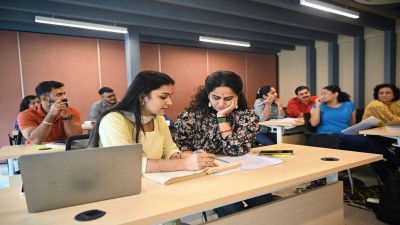

The proposed change seeks to replace the flexible system with a fixed stay of four years. This means that students’ visas will expire after four years, regardless of whether one complete the studies or not. For undergraduate programmes, four years will not be enough. Medical courses, research-based degrees or doctoral programme students may run out of time. Even unexpected delays like health issues, research changes, or disruptions could leave students in a complex situation to finish before their visa expires.
If a student needs more time, he or she needs to apply for an extension through the US Citizenship and Immigration Services (USCIS).
The process of applying to USCIS involves paperwork, providing detailed explanations for delays, waiting for approvals and paying an extra amount. Moreover, there may also be the risk of denial, which could force students to leave the US before completing their education.
The proposed rule has raised concerns among international students and universities. Students fear losing the flexibility that allows to complete longer or research-intensive programmes at own pace. The extension process would add more paperwork, costs and stress creating uncertainty during an already challenging academic journey. Universities may also face added pressure to guide students through the new rules.
DHS has defended the proposal, saying it would improve oversight and prevent visa misuse. But critics argue the changes could harm the country's image as a welcoming destination for higher education. For now, the rule is only a proposal and has not been implemented.

