Sign In
By signing in or creating an account, you agree with Associated Broadcasting Company's Terms & Conditions and Privacy Policy.
By signing in or creating an account, you agree with Associated Broadcasting Company's Terms & Conditions and Privacy Policy.


New Delhi: Medical education in developing countries like India faces multiple challenges, ranging from the demand-supply mismatch to the relevance of the curriculum. In an effort to improve postgraduate medical education, along with licensing to practice medicine in the country, the government has decided to roll out the National Exit Test (NExT).
The NExT is a standardised exam required to pursue postgraduate medical courses and practice medicine in the country. It is going to replace the existing National Eligibility-Cum-Entrance Test for postgraduate (NEET PG) and the Foreign Medical Graduate Examination (FMGE), which is required for international medical graduates to practice medicine in India.
The National Medical Commission (NMC), which is the organiser of NExT, has announced that the first NExT exam for MBBS students will be held in August 2025. The second phase will be conducted in February 2026. Initially, the organiser had planned to start the exam in February 2028 for the 2024 batch, however, the timeline has been revised.
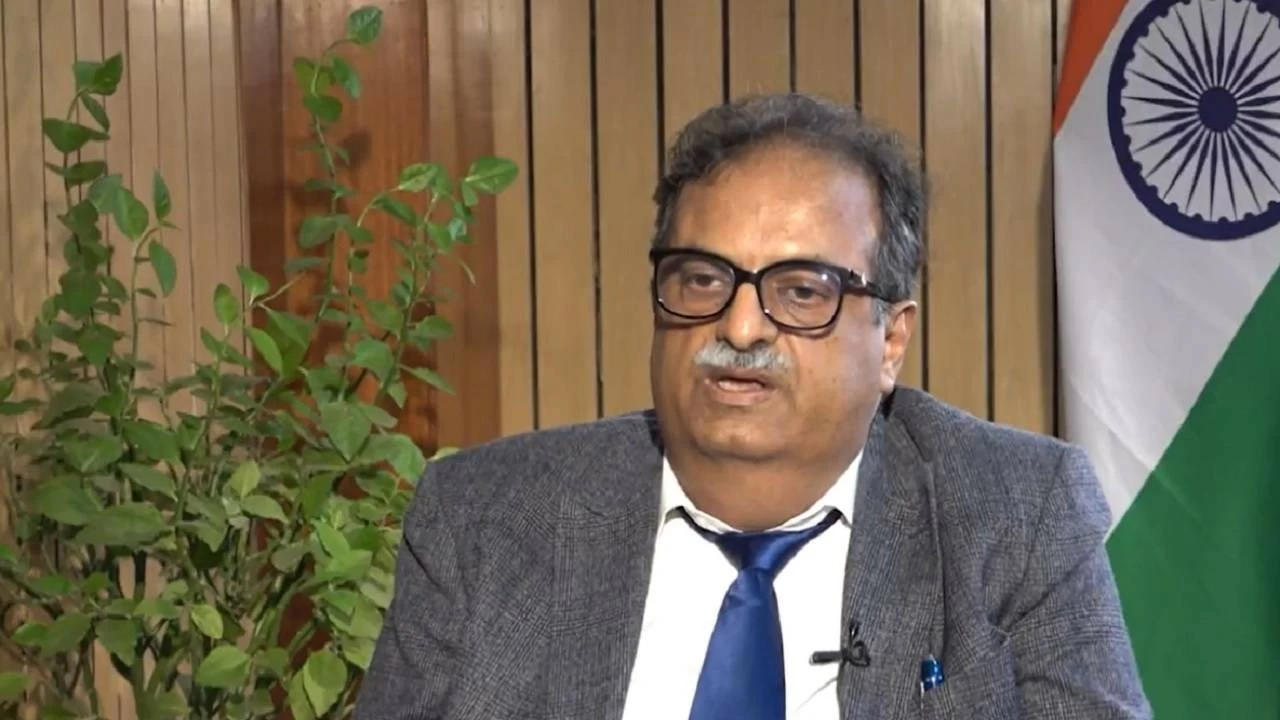
In an interview with PTI, NMC chief Dr Abhijat Sheth said the NExT exam is a 'novel concept,' but there is a need for consensus among all stakeholders. He also hinted that its implementation 'will take a while.'
"NExT is a novel concept no doubt but there are many unanswered questions. We have to ensure that this model is compatible with the medical education that we are providing to our students," Dr Sheth told PTI.
Elaborating further, Dr Sheth said, "The main unanswered questions are -- how we are going to transit from the state level university examination to the central model. Second is, we want to ensure what difficulty level we are going to set up with this examination. Third important question for us is how we will create a positive perception of this examination across stakeholders -- both the faculties as well as the medical students. And in this direction we are working."
"However, I feel it will take a while to start the NEXT exam. We need consensus amongst all stakeholders and student perspectives regarding any concerns for this examination should be addressed. Fear among students has to be allayed and their confidence level for this exam has to be created. Awareness has to be made that this examination is not going to be difficult for them but it is going to be a fair assessment for them," he added.
"Till we address all these ground level issues and we make sure that it is acceptable to all stakeholders to take this examination comfortably, to run across the country in uniform way it will take a little while. But we certainly support the NEXT examination as a novel concept and eventually we will like to work for it," NMC cheif concluded.
Dr Sheth also said that the number of undergraduate and postgraduate medical seats in the country is likely to see a cumulative increase of around 8,000 this academic year. Also, an assessment of medical colleges is underway.