Sign In
By signing in or creating an account, you agree with Associated Broadcasting Company's Terms & Conditions and Privacy Policy.
By signing in or creating an account, you agree with Associated Broadcasting Company's Terms & Conditions and Privacy Policy.
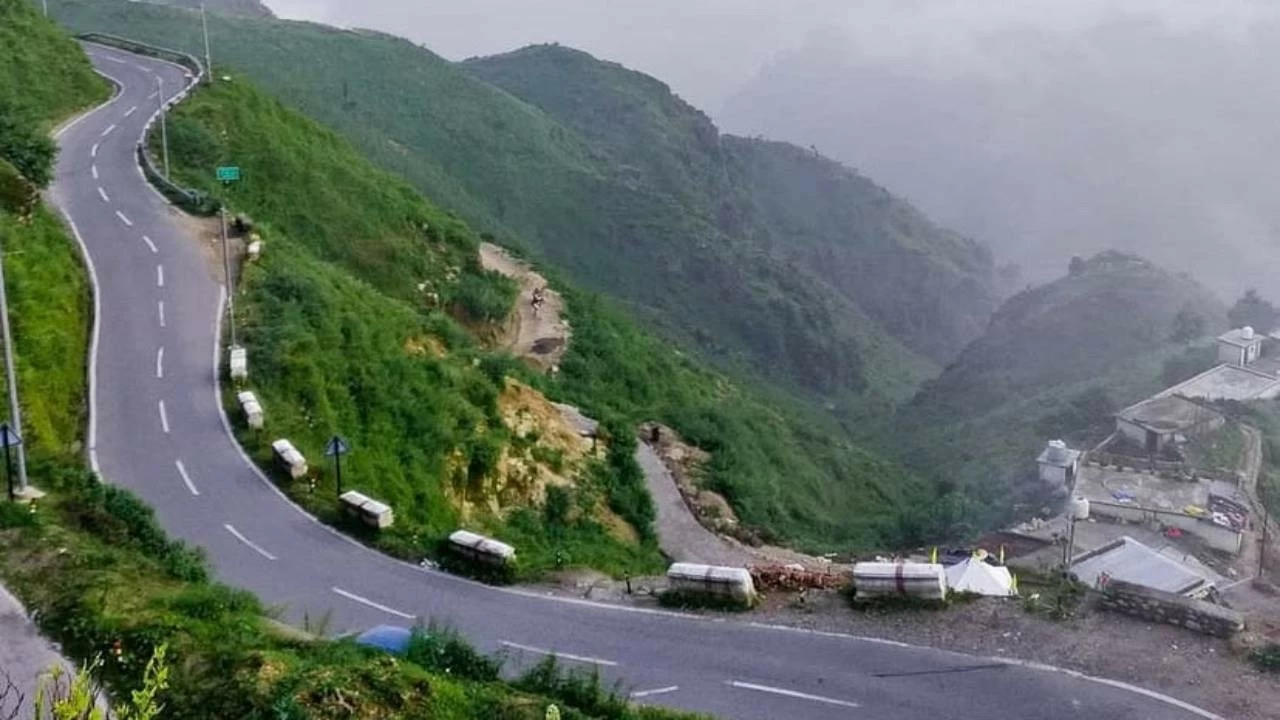


Dehradun: Uttarakhand, the hill state carved out of Uttar Pradesh in 2000, is celebrating 25 years of its formation on November 9, 2025. Over this period, the state has made remarkable progress in road infrastructure, turning its once-challenging terrain into a well-connected network that supports tourism, trade, and development.
When Uttarakhand became a state, it had just 19,000 kilometers of roads. Today, that number has grown to over 45,000 kilometres, nearly tripling in size. This includes national highways, state highways, village roads, and rural routes built under central schemes. The transformation has helped connect remote villages, pilgrimage sites, and border areas that were once accessible only by foot or narrow trails.
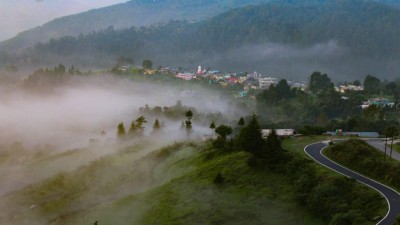


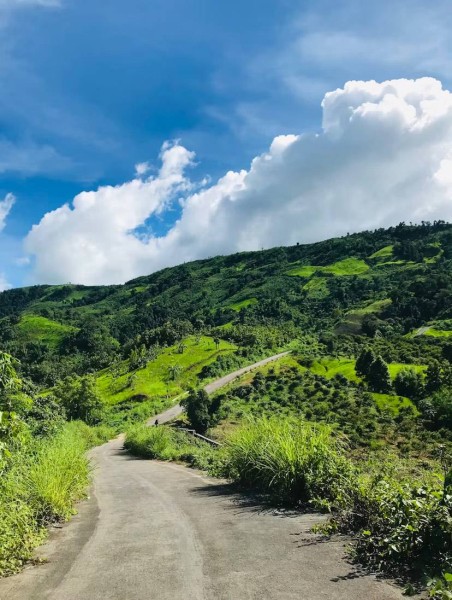
Village roads have increased from 7,446 km to 27,000 km
According to official data, national highways in Uttarakhand have expanded from 526 km in 2000 to 3,590 km in 2025. State highways have grown from 1,235 km to 5,761 km, and village roads have increased from 7,446 km to 27,000 km. The Pradhan Mantri Gram Sadak Yojana (PMGSY) alone has added 21,316 km of rural roads, improving access to schools, hospitals, and markets.
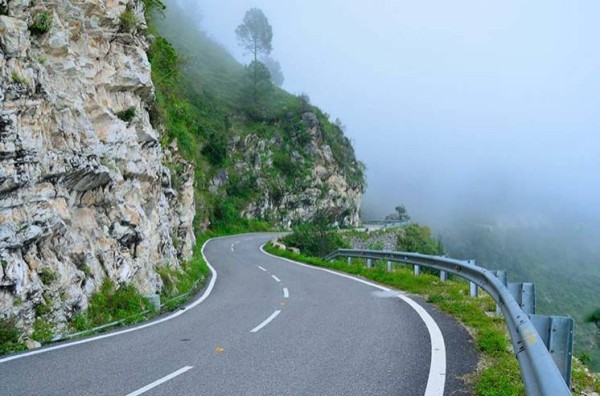
Uttarakhand now has 616 km of paved roads per 100,000 people, which is higher than the national average. It also has 1,285 km of paved roads per 1,000 square kilometres of area, placing it ahead of several larger states in terms of road density.
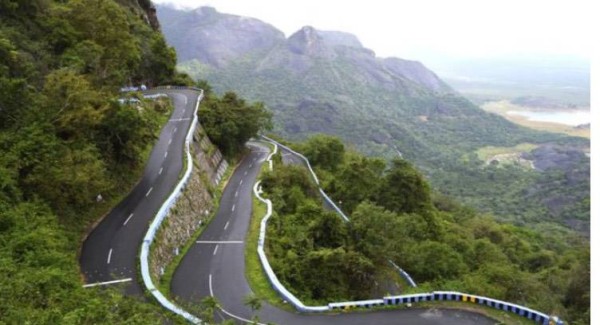
Direct impact on tourism
This expansion has had a direct impact on tourism, one of Uttarakhand’s key economic sectors. Travel to destinations like Char Dham, Hemkund Sahib, Mussoorie, Nainital, Tehri, and Valley of Flowers has become easier and safer. Better roads have also helped local businesses, women’s self-help groups, and artisans reach wider markets.
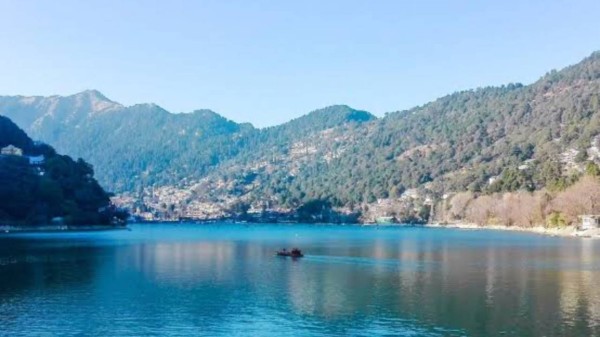
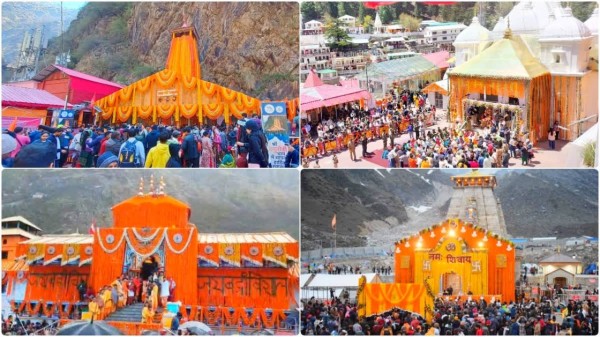
Uttarakhand’s major road projects aim to improve connectivity across its hilly terrain. Key initiatives include the Char Dham All Weather Road Project, linking Yamunotri, Gangotri, Kedarnath, and Badrinath, and the Rishikesh–Karnaprayag railway-cum-road corridor. These projects enhance tourism, boost regional trade, ensure year-round access, and strengthen disaster response infrastructure.
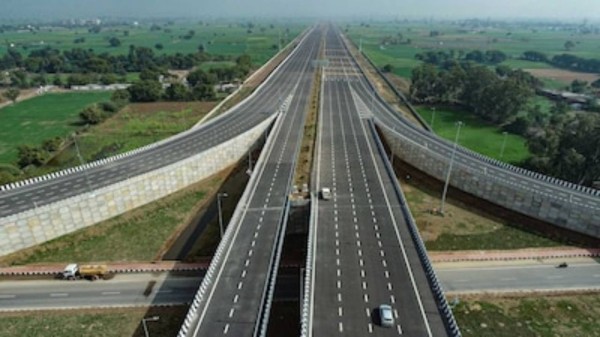
The Delhi–Dehradun Expressway is a major infrastructure project aimed at reducing travel time between Delhi and Dehradun from about six hours to just 2.5 hours. Spanning around 210 kilometers, it includes Asia’s longest elevated wildlife corridor near Rajaji National Park, promoting eco-friendly travel while boosting tourism, trade, and regional connectivity.
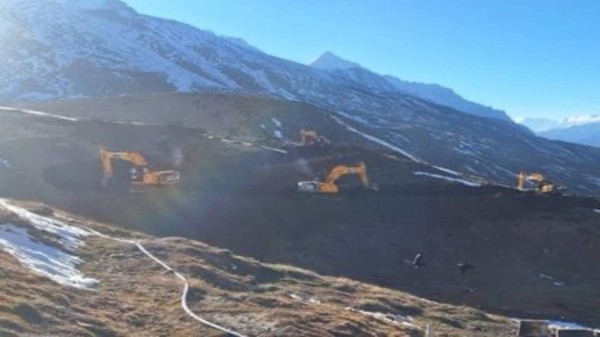
Strengthened border security
Improved border connectivity has strengthened national security, especially in districts like Pithoragarh, Chamoli, and Uttarkashi, which share boundaries with China and Nepal. Roads in these areas are crucial for both defence and disaster response.
Advanced technologies to maintain and monitor road quality
The state government is now using advanced technologies to maintain and monitor road quality. These include GIS-based mapping, drone surveys, and cold mix construction methods. Environment-friendly practices like plastic waste mixing and green road models are also being promoted to reduce ecological impact.
Frequent disasters are hampering road expansion
Despite the progress, challenges remain. Uttarakhand’s mountainous terrain, frequent landslides, harsh weather, and high maintenance costs make road construction and upkeep difficult. Narrow valleys and fragile slopes require careful planning and constant monitoring.
Uttarakhand PWD minister Satpal Maharaj said that road expansion has played a major role in Uttarakhand’s development. He added that the government is committed to further improving connectivity, especially in rural and border regions, to ensure inclusive growth.
Roads have become lifelines of progress
As Uttarakhand enters its 26th year, the road network stands as a symbol of the state’s resilience and ambition. From isolated hamlets to bustling tourist hubs, roads have become lifelines of progress, linking people, places, and possibilities across the Himalayan landscape.