Sign In
By signing in or creating an account, you agree with Associated Broadcasting Company's Terms & Conditions and Privacy Policy.
By signing in or creating an account, you agree with Associated Broadcasting Company's Terms & Conditions and Privacy Policy.
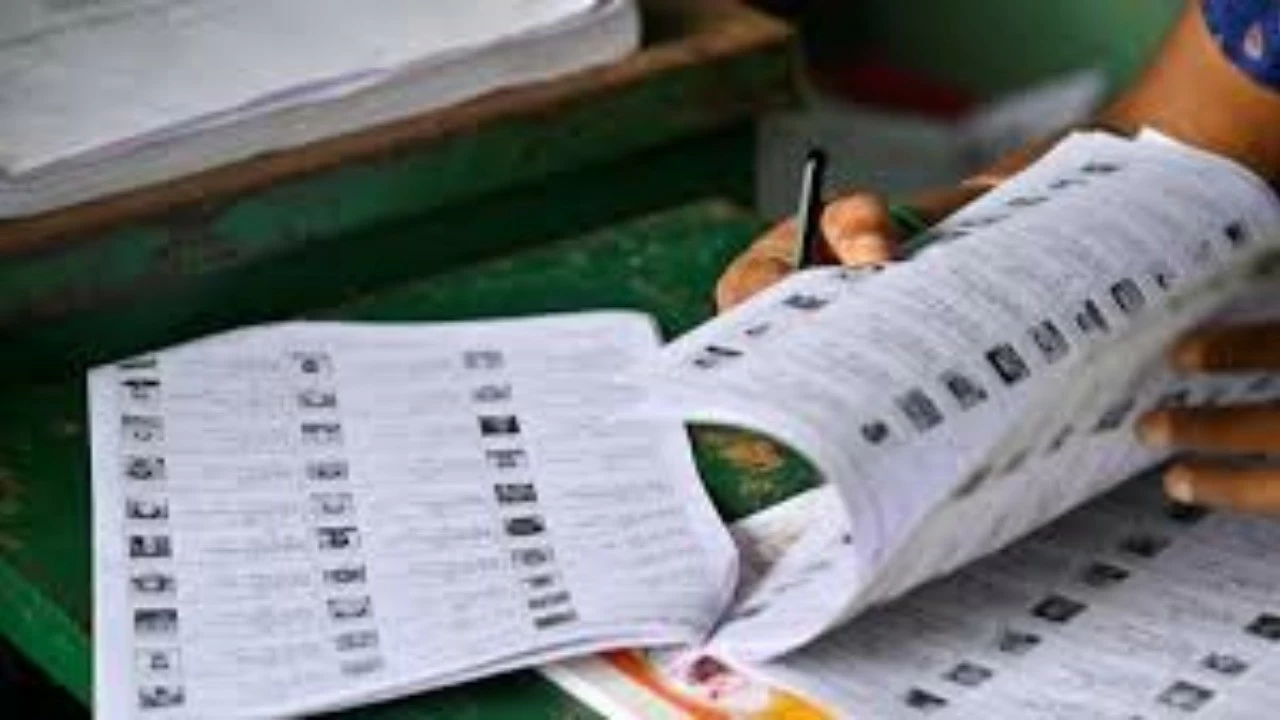


New Delhi: The Election Commission of India (ECI) has begun issuing centrally-generated notices to millions of electors whose family trees have been flagged as "logical discrepancies" by new specialised software. in West Bengal
The ECI’s centralised portal is currently flagging electors who share a commonality, like more than six people naming the same individual as their parent on their enumeration forms. The move is part of the ongoing Special Intensive Revision (SIR) of electoral rolls underway in nine states and three Union Territories, the Indian Express reported.



The 'parental' red flag
When the software detects a seventh person claiming the same father or mother, it triggers an automatic notice. These notices, pre-filled with the elector's details and the specific reason for the inquiry, are sent to local Assistant Electoral Registration Officers (AEROs) and distributed by Booth Level Officers (BLOs) at the grassroots level.
In West Bengal, the notices (printed in Bangla) explicitly read, “You have been added as the son/daughter of someone whom six others have claimed as their father, which creates the suspicion of a possible wrong connection.”
A nationwide verification blitz
This is the first time the ECI has used centrally-generated notices to target specific relationship discrepancies. While the exercise began with a pilot in Bihar focusing on "incomplete documents," the current phase is far more aggressive.
The SIR exercise is currently active in several states, including West Bengal, Uttar Pradesh, Rajasthan, Goa, Gujarat, Tamil Nadu, Madhya Pradesh, Chhattisgarh, and Kerala. and Union Territories, Lakshadweep, Puducherry, and the Andaman & Nicobar Islands.
The scale of the scrutiny
The impact of this software-driven audit is most visible in West Bengal. According to the state’s Chief Electoral Officer, Manoj Agarwal, 58 lakh (5.8 million) names have already been deleted from the draft rolls due to being deceased, absent, or enrolled in multiple locations.
He said that 1.67 crore (16.7 million) electors remain under the scanner for various discrepancies, adding that 23.64 lakh (2.36 million) electors were specifically flagged because their listed father reportedly has six or more children.
To maintain their spot on the voter roll, flagged citizens must attend a formal hearing and provide proof of eligibility from a strict list of 13 approved documents specified by the ECI, the EC officer said.
Political firestorm: Harassment vs. national security
The ECI’s tech-driven approach has ignited a fierce political debate. West Bengal Minister Dr Shashi Panja slammed the move as "unconstitutional" and a form of voter harassment. She argued that the government is "personally attacking" voters by questioning their family size and demanding they justify why they have six or more siblings.
However, the BJP has backed the move, submitting a memorandum to the ECI expressing concerns over "fraudulent linkage practices." They allege that illegal immigrants have exploited local networks to obtain fraudulent documents and link themselves to existing residents to gain voting rights.
The legal backdrop
The SIR requires all registered electors to submit forms that match data from the last major intensive revision conducted in the early 2000s (2002 in West Bengal). If an elector cannot be verified against those historical rolls, they must now undergo this rigorous hearing process to prove they are who they claim to be.
As the hearings begin, the ECI faces the monumental task of balancing the integrity of the democratic process with the rights of millions of legitimate large families caught in the software’s dragnet.