Sign In
By signing in or creating an account, you agree with Associated Broadcasting Company's Terms & Conditions and Privacy Policy.
By signing in or creating an account, you agree with Associated Broadcasting Company's Terms & Conditions and Privacy Policy.
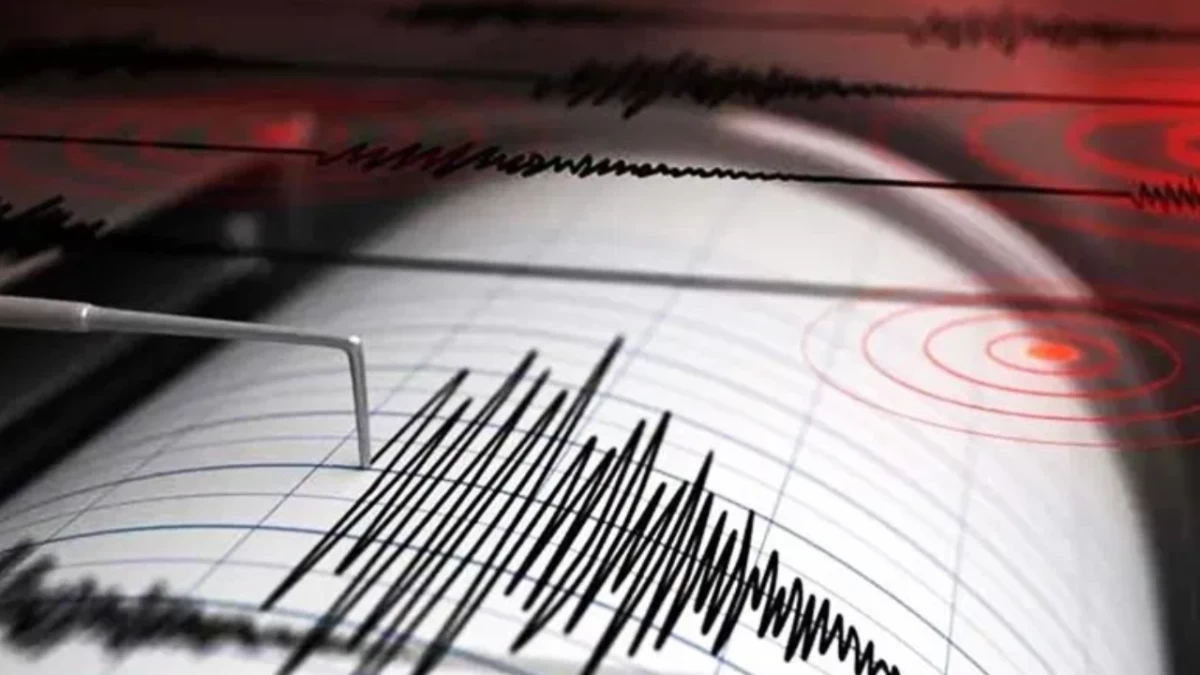


The relationship between climate change and seismic activity has garnered significant attention in recent years. While climate change is primarily associated with atmospheric and oceanic alterations, emerging research suggests it may also influence geological phenomena such as earthquakes.
One significant factor is the melting of glaciers due to rising global temperatures. As glaciers melt, the immense weight they once exerted on the Earth's crust diminishes, leading to a process known as isostatic rebound. This rebound causes the previously compressed land to slowly rise, potentially altering stress distributions along fault lines and increasing the likelihood of seismic events.



medium.com
Another concern is the impact of rising sea levels on tectonic activity. Higher sea levels result in increased pressure on the ocean floor, which can influence the stability of underwater fault lines. This added stress may contribute to the triggering of earthquakes in coastal regions.
Climate change also affects precipitation patterns, leading to episodes of heavy rainfall or drought. Such hydrological changes can alter the load on the Earth's crust. For instance, significant rainfall can infiltrate fault zones, reducing friction and potentially facilitating fault slippage, thereby inducing earthquakes. In 2024, a study by Colorado State University demonstrated that climate change could affect the
frequency of earthquakes, adding to a growing body of evidence showing that climate can alter the seismic cycle.
Furthermore, research has shown that heavy snowfall and rain may contribute to earthquake activity. A study focusing on northern Japan found that episodes of heavy precipitation likely contributed to a swarm of earthquakes over several years. This study was among the first to indicate that climate conditions could initiate some seismic events.
While these studies suggest potential links between climate change and increased seismic activity, the scientific community remains divided. Some researchers argue that the evidence is still inconclusive and that more data is needed to establish a definitive causal relationship. Others emphasize the importance of considering these potential connections in future urban planning and disaster preparedness strategies, especially in vulnerable regions.