Sign In
By signing in or creating an account, you agree with Associated Broadcasting Company's Terms & Conditions and Privacy Policy.
By signing in or creating an account, you agree with Associated Broadcasting Company's Terms & Conditions and Privacy Policy.
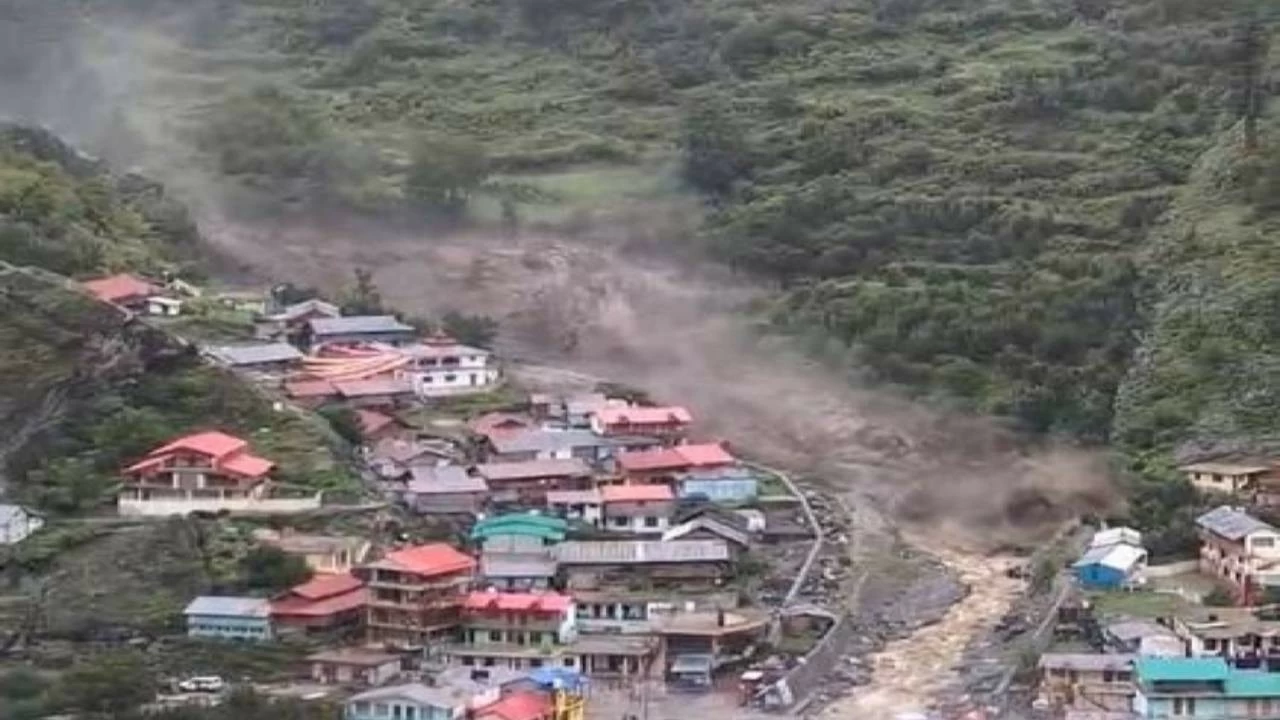
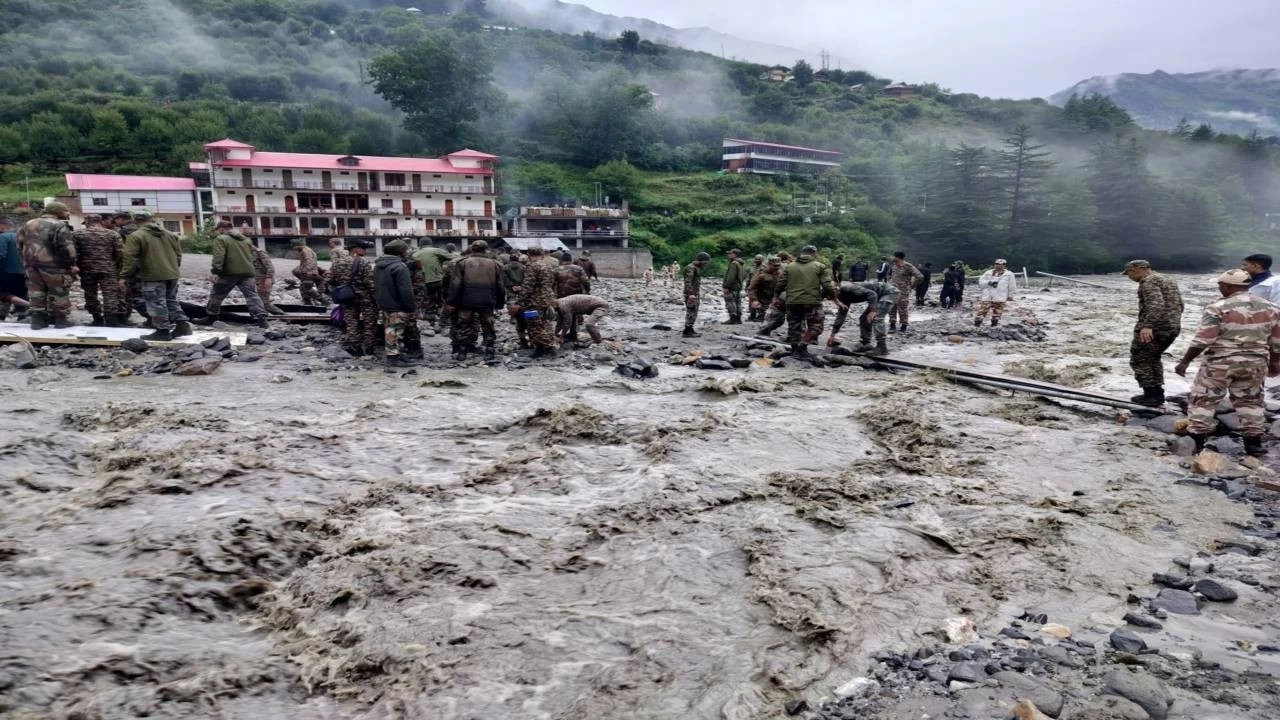


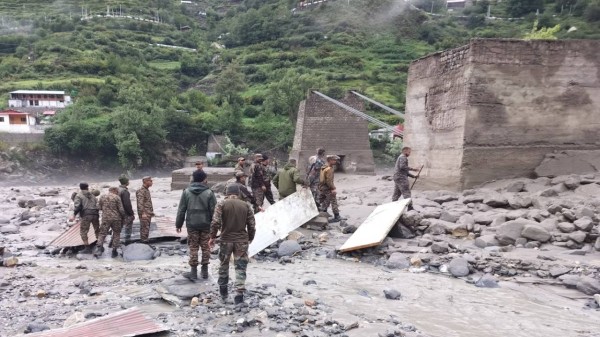
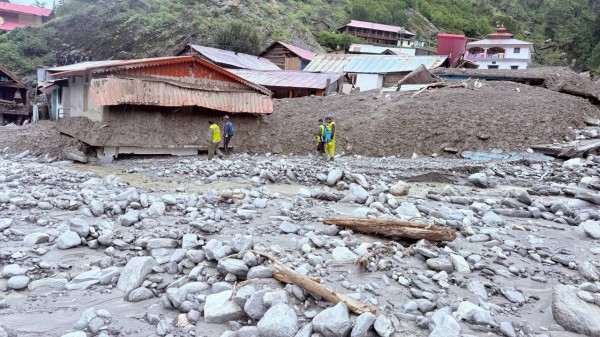
Uttarkashi: The devastating cloudburst in Dharali, Uttarkashi on August 5 was the result of a massive landslide dam outburst caused by heavy rainfall in the high-altitude areas of Kheerganga.
A staggering 2,50,885 tonnes of debris came crashing down from the upper reaches of Khera Gad, causing widespread destruction in the region. The nearby town of Harshil also remains at risk as similar conditions still exist.


Findings were revealed in a detailed scientific report
These findings were revealed in a detailed scientific report prepared by a committee of experts formed under the direction of IT Secretary Nitesh Jha. The Director General of UCOST (Uttarakhand State Council for Science and Technology), Prof. Durgesh Pant, led the committee, which included scientists from Wadia Institute of Himalayan Geology, IIRS (Indian Institute of Remote Sensing), and other research bodies.
Multi-layered investigation involving LiDAR surveys, satellite image analysis
The committee conducted a multi-layered investigation involving LiDAR surveys, satellite image analysis, drones provided by NDRF and SDRF, and interviews with local residents. The report marks the first comprehensive scientific study into the Dharali disaster and points directly to climate change-induced rainfall patterns and fragile mountain slopes as the main causes.
Climate change and unusual rainfall patterns
The committee concluded that unusually intense rainfall at altitudes above 4,000 meters triggered a series of landslides and debris flows. These conditions weakened the soil structure in the high Himalayan slopes, leading to massive debris accumulation in Khera Gad, also known as Kheerganga. Eventually, this created a temporary natural dam, which collapsed under the pressure of accumulating water, resulting in a Landslide Lake Outburst Flood (LLOF).
Although the rainfall measured in Harshil was relatively low—8 mm in Harshil and 27 mm across Uttarkashi—the saturated soil and steep terrain caused the debris to travel at high speed. The scientific team found that debris originated from 5000 meters elevation and surged down to 2570 meters in Dharali, causing massive destruction along its path.
Satellite and LiDAR evidence
LiDAR mapping of the affected area revealed significant changes in the topography post-disaster. The fan area, which was previously 0.74 square kilometers, expanded to 0.151 square kilometers, clearly showing the massive volume of deposited debris. According to the survey, 2.5 lakh tonnes of fresh debris now rests in the valley, a result of the massive landslide triggered by the cloudburst.
Historical rainfall trends in Uttarakhand
The committee also studied 124 years of rainfall data (from 1901 to 2024) and discovered a concerning trend. The average rainfall in this region is increasing at the rate of 0.57 mm per year. Not only is the monsoon rainfall increasing, but pre-monsoon rainfall has also become more intense. These findings strongly indicate that climate change is contributing to more frequent and intense debris floods in the Himalayas.
Harshil still under threat
Experts warn that the conditions which led to the Dharali disaster continue to exist in neighboring areas, especially Harshil, which lies on a similarly vulnerable slope. The steep gradient and fragile topsoil in the region could result in another disaster if heavy rains continue.
Scientists have emphasized the need for early warning systems,
Local officials and scientists have emphasized the need for early warning systems, real-time monitoring, and long-term climate-resilient planning to prevent such disasters in the future. They also suggest limiting construction in ecologically sensitive zones and focusing on ecosystem restoration to improve slope stability.