Sign In
By signing in or creating an account, you agree with Associated Broadcasting Company's Terms & Conditions and Privacy Policy.
By signing in or creating an account, you agree with Associated Broadcasting Company's Terms & Conditions and Privacy Policy.
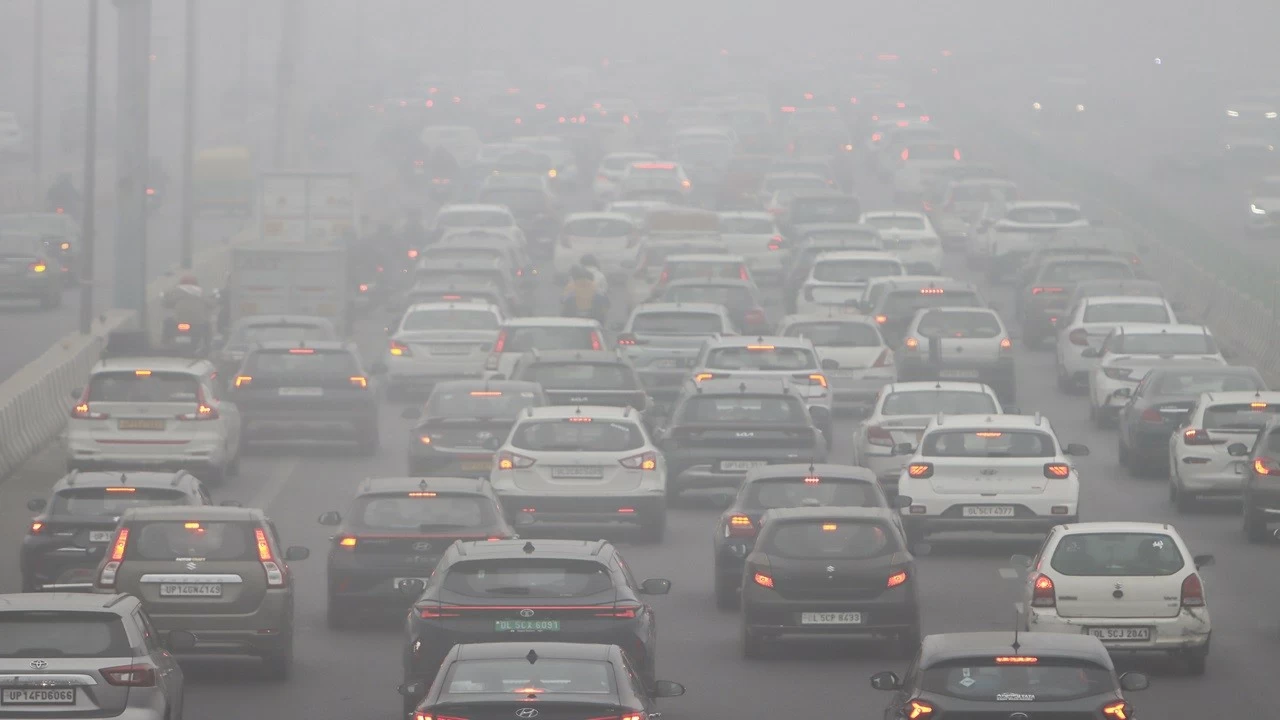


New Delhi: Delhi-NCR residents yet again woke up to thick smog and poor visibility on Thursday, as the AQI hovered between 'very poor' to 'severe' category. The Capital recorded an average AQI of 370.
The Commission for Air Quality Management (CAQM) has implemented GRAP-4 measures in the city to curb rising pollution levels. Under these curbs, privately owned non-BS VI vehicles registered outside Delhi are banned from entering the Capital, and vehicles without a valid pollution under control certificate (PUCC) certificate will be denied fuel.


However, the reality is different, with no proper enforcement of these restrictions on the ground due to ignorance and apathy. The vehicles without valid PUCC continue refuelling unchecked at several petrol pumps across the city.
At the Ghazipur Border in Delhi, an interaction with petrol pump staff revealed that they neither have proper knowledge about PUCC nor know how to check it. On camera, they offered bizarre and evasive excuses.
The interaction revealed that there's incomplete preparedness at the petrol pump on this key border point. It was noticed that fuel was being dispensed without verifying PUCC. There was no government official or enforcement team present at the petrol pump. After TV9 team arrived, two employees showed up but went and sat in a corner instead of engaging.
More than 537 police personnel have been reportedly deployed at fuel pumps across the national capital. Automatic number plate recognition and on-ground checks are being carried out to verify PUCC status and emission category of vehicles, according to government officials
Deep Singh, a DTC (Delhi Transport Corporation) employee, told PTI, "We have been deployed here on duty by the Delhi Govt. We are checking vehicles, and those whose PUC Certificate is not valid are not being given CNG here. I urge all vehicle drivers and transporters in Delhi to get PUC Certificates for their vehicles..."
"Our teams will cover every border checkpoint. Only BS VI private vehicles of any state registration with a proper pollution certificate entering from the Uttar Pradesh and Haryana sides will be permitted to enter the capital. Strict action will be taken against anyone found violating the rule," another officer said.
Veer Jain, a DTC employee, told ANI, "As per the orders received from the Delhi Govt, vehicles without PUC will not be given fuel. We have to check the documents for all vehicles and tell the petrol pump staff not to give fuel to the defaulters. The order will remain in effect till the next order."
An employee at the PUC Centre, Sherpal, said, "...At least 5-6% vehicles fail (the pollution check). If that happens, servicing and maintenance are done, and then it is checked again. If the servicing and maintenance are good, they pass the test; otherwise they may fail again..."
The government has said that public announcements will be made at petrol pumps to inform vehicle owners about PUCC compliance. Special camps will be set up, with around 500 personnel deployed in neighbouring cities.
Police officials were seen stopping vehicle owners to check their documents at the Delhi-Noida Chilla Border, in New Delhi. However, most of the other border points remained largely unchecked, with vehicles passing through without proper verification of their papers.
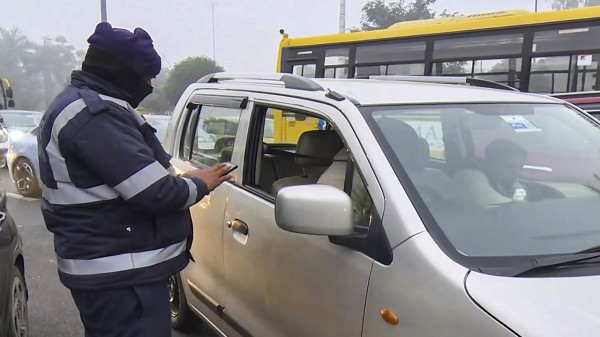
Delhi transport department officers are overseeing operations at the Delhi border. One of them reportedly said that they were strictly checking non-BS6 commercial and private vehicles registered outside Delhi. He added that violators will have to face a Rs 20,000 challan or will be forced to make a U-turn. The officer also said drivers without updated PUCC are being fined.
An UP Traffic Police officer on the ground pointed out that they were stopping cars that look old and don't have blue stickers on the car showing BS 6 vehicles. He added that they have also been instructed to impose fine on 10-year-old diesel and 15-year-old petrol vehicles of BS-III emission standards (or lower).
There's a huge gap between government policy and practice. This underscores the challenges in enforcing pollution control measures on the ground. Even though authorities claim of large-scale deployment and strict checks at petrol pump stations and border points, ground reality is s marked by poor monitoring, limited awareness among staff and shoddy enforcement, allowing violations to go on unabated. The result is that GRAP-4 measures have been reduced to paper tiger. There has to be effective coordination, transparency and clear accountability of the implementing staff and machinery. Without these, residents will continue to gasp for breath and efforts to combat Delhi's toxic air will come to naught.