Sign In
By signing in or creating an account, you agree with Associated Broadcasting Company's Terms & Conditions and Privacy Policy.
By signing in or creating an account, you agree with Associated Broadcasting Company's Terms & Conditions and Privacy Policy.
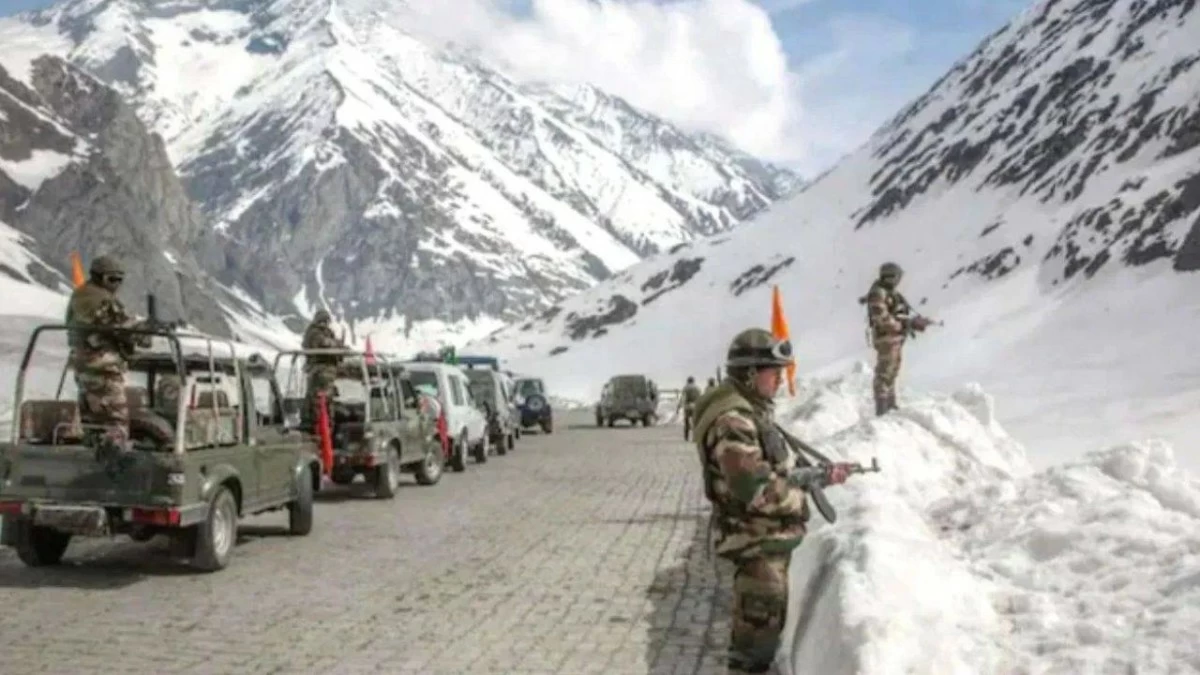


New Delhi: The June 2020 Galwan Valley clash between Indian and Chinese forces was one of the most significant military confrontations between the two nations in over four decades. The violent skirmish, which resulted in casualties on both sides, marked a turning point in India-China relations and led to a series of military, diplomatic, and economic responses. This article delves into the reasons behind the clash, its immediate consequences, and its long-term impact on bilateral ties.
The Galwan Valley, located in eastern Ladakh, holds strategic importance due to its proximity to the Line of Actual Control (LAC), the de facto border between India and China. Tensions in the region began escalating in early May 2020 when China allegedly began deploying troops, constructing infrastructure, and obstructing Indian patrols in disputed areas.


1. Infrastructure development by India: India’s increasing infrastructure development along the LAC, particularly the construction of the Darbuk-Shyok-Daulat Beg Oldi (DSDBO) road, was a major point of contention. This road improves India’s connectivity to key military posts near the LAC, allowing for rapid troop movement. China perceived this as a strategic threat, leading to aggressive posturing.
2. China’s expansionist strategy: China has been involved in multiple territorial disputes with neighbouring countries, including India, Japan, and those in the South China Sea. The Galwan incident was seen as part of Beijing’s broader strategy of asserting dominance in contested regions.
3. Breakdown of agreements: Both nations had agreed to a disengagement process following previous diplomatic talks. However, reports suggest that Chinese troops did not fully comply with the terms, leading to tensions during the withdrawal process. The Indian Army confronted the Chinese forces, resulting in a deadly hand-to-hand combat situation.
4. Geopolitical tensions and global factors: At the time, China was facing international criticism over the Covid-19 pandemic, and tensions with the United States were escalating. Some analysts suggest that China’s actions at the LAC were an attempt to divert domestic and global attention from other pressing issues.
On the night of June 15, Indian and Chinese troops engaged in a brutal melee involving stones, iron rods, and clubs wrapped in barbed wire. The clash resulted in the deaths of 20 Indian soldiers, including a commanding officer, while China later admitted to losing four soldiers, though unofficial estimates suggest a higher number.
This was the first combat fatality along the India-China border since 1975, marking a severe escalation in hostilities. In response, both sides increased military deployments, with India sending additional troops, tanks, and fighter aircraft to Ladakh. Diplomatic and military-level talks were initiated, but tensions remained high.
The Galwan clash significantly altered the trajectory of India-China relations. Key outcomes:
1. Military standoff and disengagement efforts: Despite several rounds of military and diplomatic discussions, disengagement in Ladakh has been slow and inconsistent. While some buffer zones have been created, reports indicate continued Chinese infrastructure development in contested areas.
2. Economic fallout and boycott of Chinese products: In response to Chinese aggression, India implemented economic countermeasures, including banning over 250 Chinese apps such as TikTok, PUBG Mobile, and WeChat, citing security concerns. The government also tightened scrutiny on Chinese investments and halted several joint projects. A movement to boycott Chinese products gained momentum in India.
3. Strategic shift in India’s defence policy: The clash underscored the need for India to enhance border security, modernise its military, and strengthen partnerships with allies. India accelerated defence procurements, including acquiring Rafale fighter jets from France and bolstering ties with the Quad (United States, Japan, and Australia).
4. Deterioration of bilateral trust: The Galwan incident severely damaged mutual trust between India and China. While diplomatic engagements continue, relations remain tense, with occasional border skirmishes and suspicions of Chinese incursions in disputed regions.