Sign In
By signing in or creating an account, you agree with Associated Broadcasting Company's Terms & Conditions and Privacy Policy.
By signing in or creating an account, you agree with Associated Broadcasting Company's Terms & Conditions and Privacy Policy.
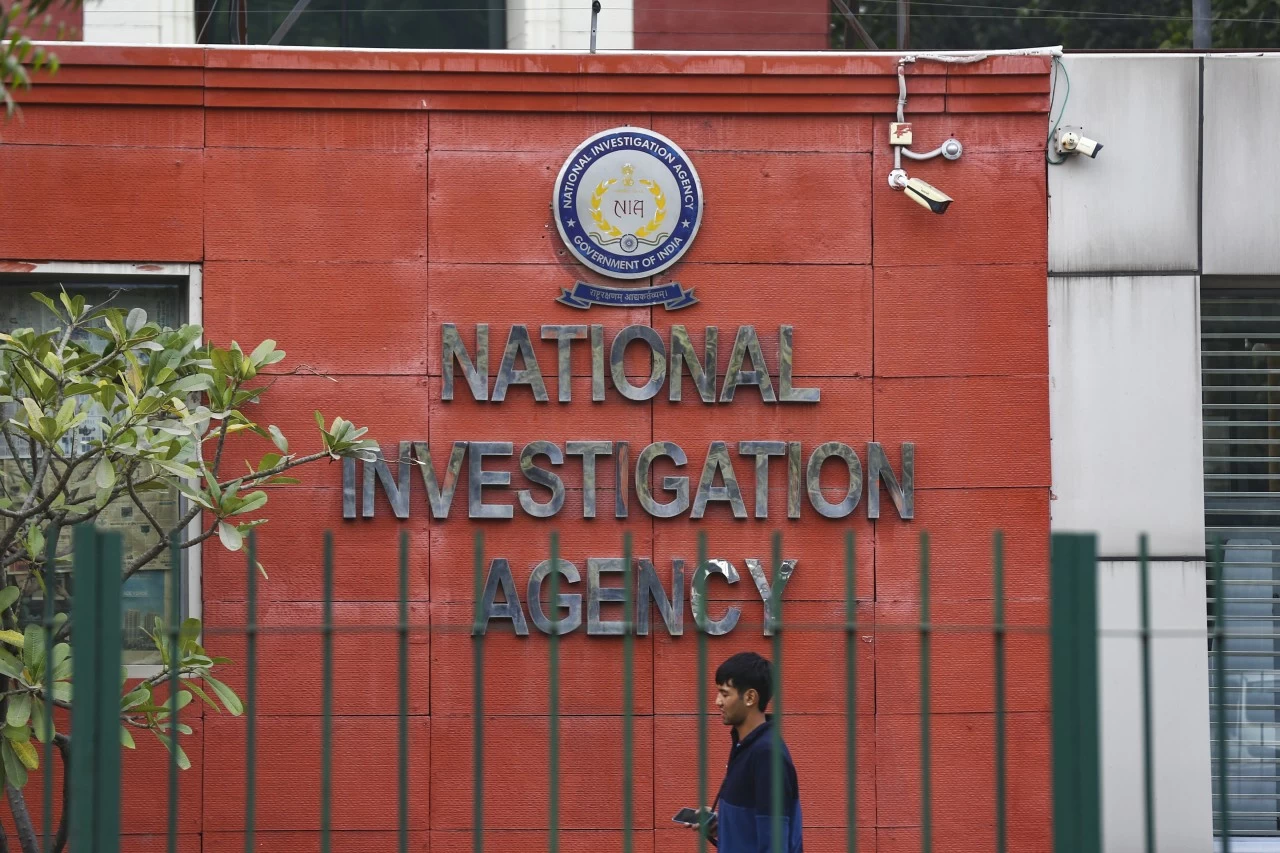


New Delhi: The government is in the final stages of drafting India’s first comprehensive anti-terror policy, which is aimed at providing a unified framework for States to check, respond to and probe terror-related incidents.
The policy will be rolled out soon. It will reportedly focus on emerging threats such as digital radicalisation, the misuse of open borders and foreign-funded conversion networks.



In November last year, Home Minister Amit Shah had said that the Home Ministry was working on a national counter-terror policy and strategy that is likely to advocate a uniform, cohesive and zero-tolerance approach across central and state agencies, and was a major step towards dismantling the entire terror ecosystem. Shah had also held chaired a meeting of top officials after the November 10 Red Fort attack. He also asked them to hunt down every culprit in the incident.
According to a senior National Investigation Agency (NIA) official, the agency has submitted inputs for the policy, which the Home Ministry is now finalising, as per a ANI report. It is also reported that the NIA will host an anti-terror conference in Delhi on December 26–27 to present the policy to important stakeholders.
In the wake of the April 22 Pahalgam terror attack, the NIA held discussions with anti-terror units across States to review preventive measures. The agency also reviewed the National Intelligence Grid (NATGRID), a secure platform that gives law enforcement agencies access to key government and intelligence databases.
NIA Director General Sadanand Date and National Security Guard (NSG) chief Brighu Srinivasan had spoken to several State police chiefs on threats like foreign-funded conversion networks, online radicalisation, and Aadhaar-related identity fraud.
The policy is aimed at acting as a comprehensive guide for States, while improving coordination among national and regional agencies to tackle fresh terror threats more effectively.
The Centre and MHA will prepare policy and strategy documents. All central agencies will fully back the States, from intelligence gathering to operational action. This will promote coordinated action among agencies like the NIA, Intelligence Bureau, and state police.
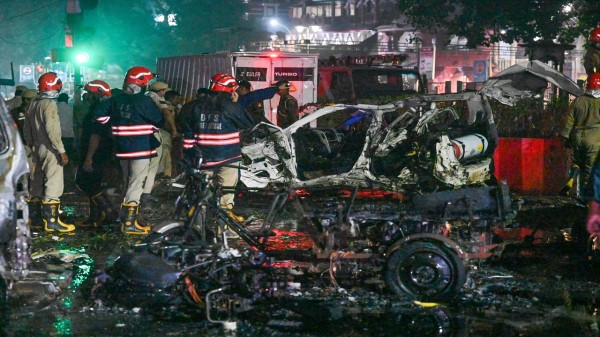
It has also come to light that suspects linked to the November 10 Red Fort car-borne suicide attack were radicalised via social media. The strategy will address digital radicalisation. Threats like open-border misuse, Aadhar spoofing, and foreign-funded conversion networks will also be tackled. Platforms such as National Intelligence Grid (NATGRID) will go a long way in helping law enforcement agencies to access crucial government and intelligence databases.