


Sign In
By signing in or creating an account, you agree with Associated Broadcasting Company's Terms & Conditions and Privacy Policy.
By signing in or creating an account, you agree with Associated Broadcasting Company's Terms & Conditions and Privacy Policy.



Vikasnagar: The nearly four‑year‑long war between Russia and Ukraine has devastated lives and economies worldwide. But its impact is now being seen in nature too. Bird experts warn that migratory birds are also losing their lives due to toxic gases and explosions from missiles and ammunition.
According to experts, the air in war‑affected regions has become poisonous. Innocent birds flying across these skies are dying, and the number of migratory birds reaching India has steadily declined. The timing of their arrivals has also changed.



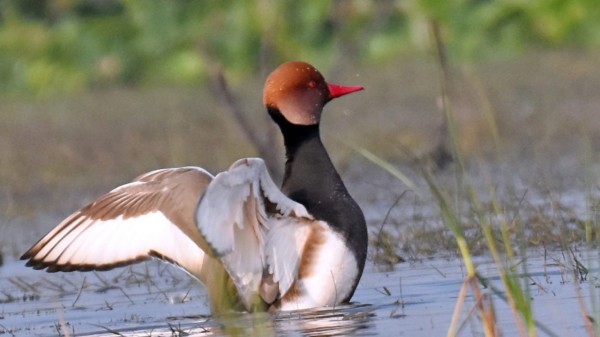
Decline in arrivals at Asan Wetland
Uttarakhand’s Asan Wetland, located in Dehradun district at the confluence of the Yamuna and Asan rivers, is a Ramsar site and a key stop on the Central Asian Flyway. Normally, migratory birds arrive here in early October. But last year, many species reached only in mid‑November.

Nine species of migratory birds usually arrive at Asan Wetland from the Russia‑Ukraine region. Of these, the number of Siberian terns has been declining since the war began. This season, only about five species have been recorded, while others have failed to arrive at all.
Data shows sharp fall
Figures collected by experts reveal alarming declines:
Gray‑legged Goose: 20 (2021), 3 (2022), 0 (2023), 3 (2024)
Bar‑headed Goose: 55 (2021), 0 (2022), 7 (2023), 2 (2024)
Red‑crowned Kingfisher: 852 (2021), 680 (2022), 430 (2023), 302 (2024)
Gadwall: 575 (2021), 331 (2022), 189 (2023), 80 (2024)
Mallard: 5 (2021), 3 (2022), 4 (2023), 0 (2024)
Northern Shoveler: 110 (2021), 50 (2022), 33 (2023), 24 (2024)
Northern Pintail: 32 (2021), 15 (2022), 8 (2023), 5 (2024)
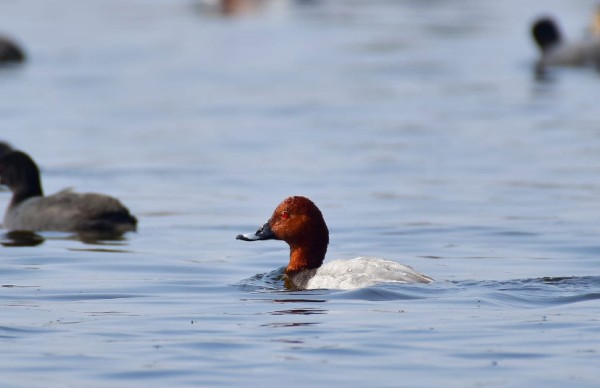
Red‑crested Pochard: 500 (2021), 312 (2022), 92 (2023), 63 (2024)
Common Pochard: 138 (2021), 78 (2022), 36 (2023), 23 (2024)
The steady decline since 2022 coincides with the start of the Russia‑Ukraine war.
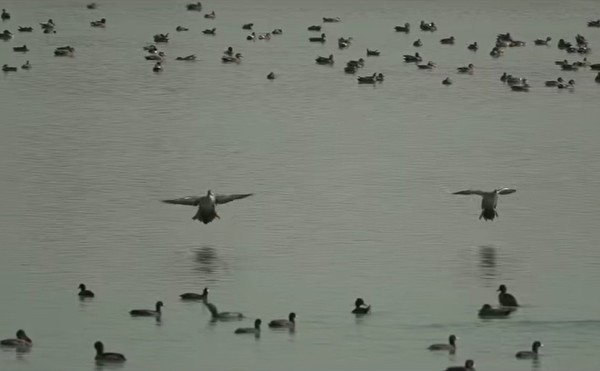
Expert concerns
Bird expert Pradeep Saxena from the Chakrata Forest Division said: “Data indicates a clear decline in migratory bird arrivals. Since the war began, the number of birds coming from abroad, especially Russia, has been falling steadily.”
Experts also believe that explosions and pollution from the Russia‑Ukraine and Israel‑Palestine conflicts are proving fatal for birds flying across these regions.
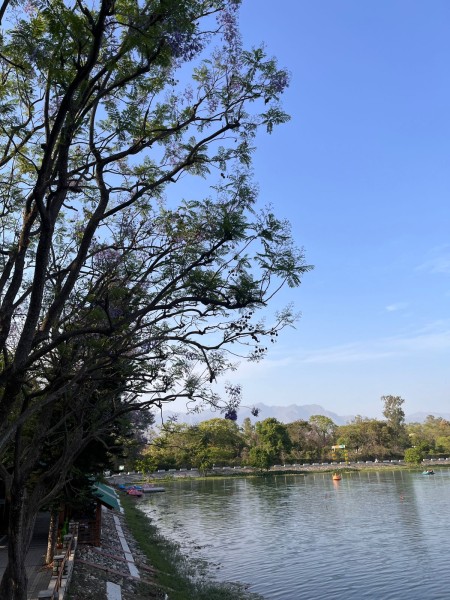
Why Asan Wetland matters
Asan Wetland was declared a Ramsar site in 2020. It is home to over 330 bird species and 49 fish species, making it one of Uttarakhand’s richest habitats. Every year, thousands of migratory birds visit, adding to its ecological and tourism value.
But the declining numbers are a cause for concern. If the trend continues, experts fear that Asan Wetland may lose its status as a major migratory stopover, affecting both biodiversity and eco‑tourism.

