Sign In
By signing in or creating an account, you agree with Associated Broadcasting Company's Terms & Conditions and Privacy Policy.
By signing in or creating an account, you agree with Associated Broadcasting Company's Terms & Conditions and Privacy Policy.
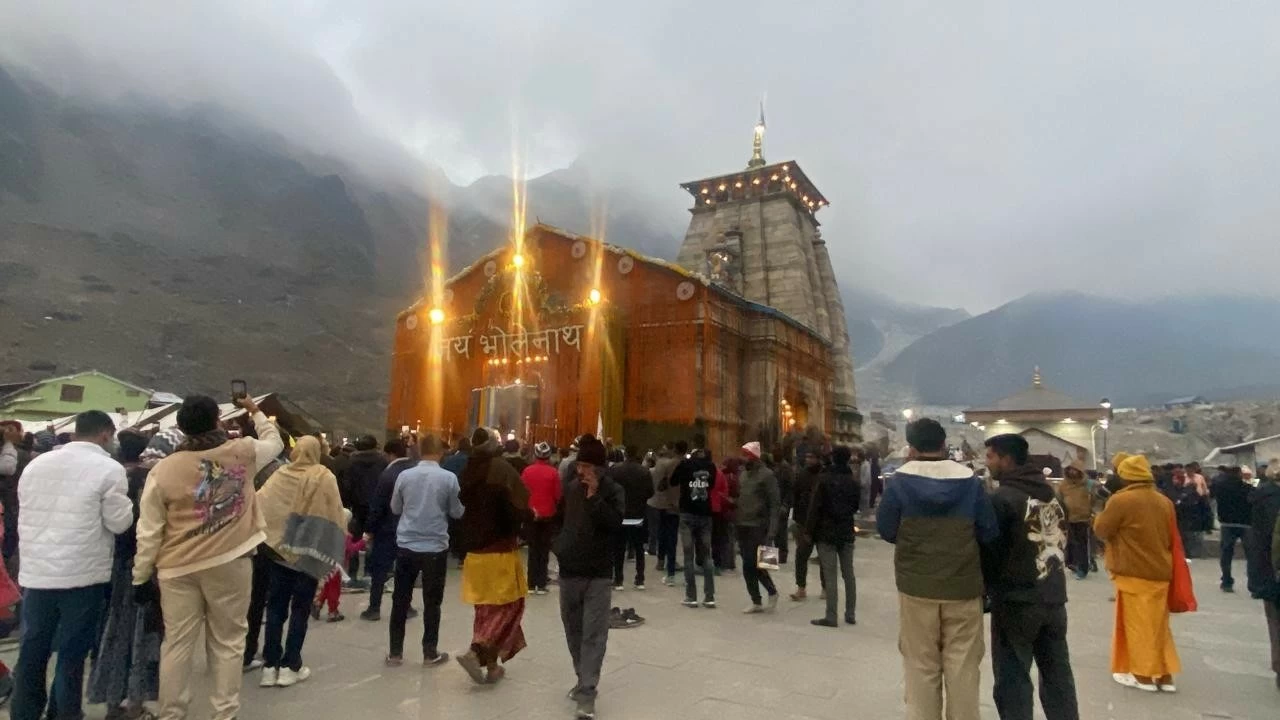


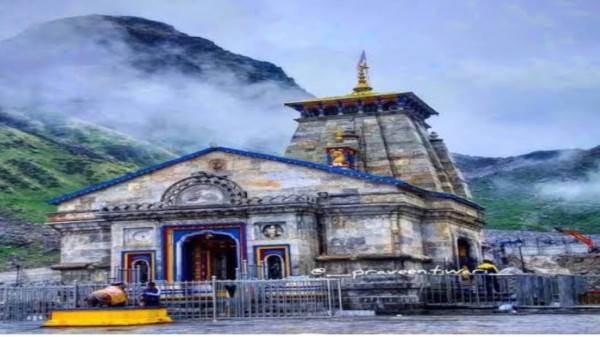
Rudraprayag: Kedarnath, one of the four Char Dham pilgrimage sites in Uttarakhand, attracts lakhs of devotees annually. The journey to the temple is considered the toughest among the Char Dham routes due to high altitude, extreme weather, and difficult terrain.
Currently, pilgrims undertake a 16‑km trek from Gaurikund to Kedarnath Dham, passing through Rambada and Lincholi. The trek includes a 9‑km stretch to Rambada, 2 km to Lincholi, and a final 5‑km climb to the temple. Despite infrastructure upgrades after the devastating floods of June 2013, frequent landslides and heavy rainfall continue to disrupt the yatra.


Tunnel project to ease pilgrimage
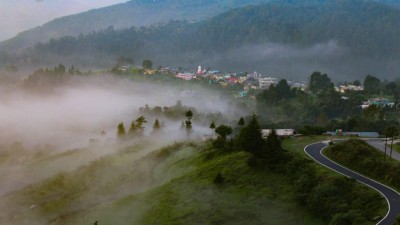
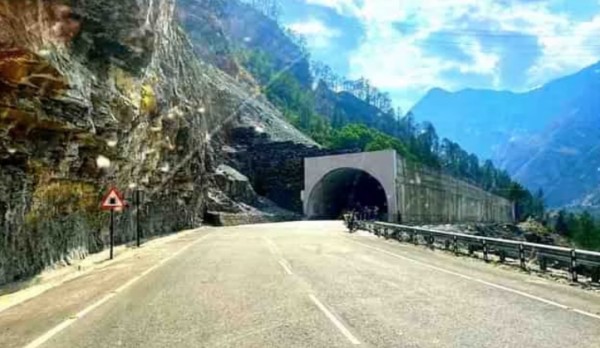
To improve access, the Ministry of Road Transport and Highways will construct a 7‑km tunnel in Rudraprayag district. The tunnel will start at Chaumasi, the last village in the Kalimath Valley, and end at Lincholi, just 5 km from the temple.
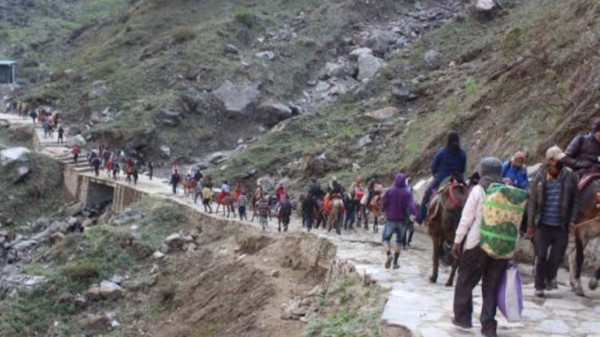
Once completed, the tunnel will reduce the walking distance from 16 km to 5 km, easing the physical strain on devotees. It will also provide emergency access during bad weather, ensuring safer and more reliable travel. Authorities expect the project to be completed in four to five years, subject to approvals.
Survey confirms stable terrain
A preliminary survey has already been conducted by a five‑member team along the Chaumasi–Kham Bugyal–Kedarnath stretch. Officials reported stable rock formations and no major landslide‑prone zones along the proposed alignment.
Although underground water seepage was observed at some points, engineers say it can be managed with established construction techniques. The revised alignment via Chaumasi was chosen after dropping the earlier Rambada plan due to weak geological conditions and frequent landslides.
Ropeway project approved
In addition to the tunnel, the Union Cabinet has approved a 12.9‑km Kedarnath ropeway project. Developed under the Design, Build, Finance, Operate and Transfer (DBFOT) model, the ropeway will cost Rs 4,081.28 crore.
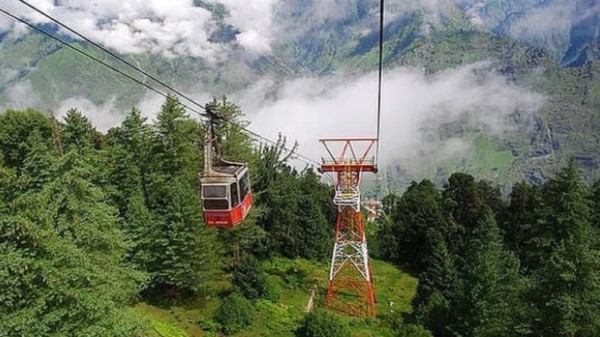
The ropeway will use advanced tri‑cable detachable gondola technology and is expected to reduce travel time from 8–9 hours to just 36 minutes. It will carry up to 18,000 passengers daily, offering a faster and more comfortable option for devotees.
A safer future for pilgrims
Together, the tunnel and ropeway projects represent a major step toward improving safety, accessibility, and resilience along one of India’s most vulnerable pilgrimage routes. These projects aim to protect devotees from the risks of landslides, heavy rainfall, and extreme weather, while also boosting tourism in the region.