Sign In
By signing in or creating an account, you agree with Associated Broadcasting Company's Terms & Conditions and Privacy Policy.
By signing in or creating an account, you agree with Associated Broadcasting Company's Terms & Conditions and Privacy Policy.
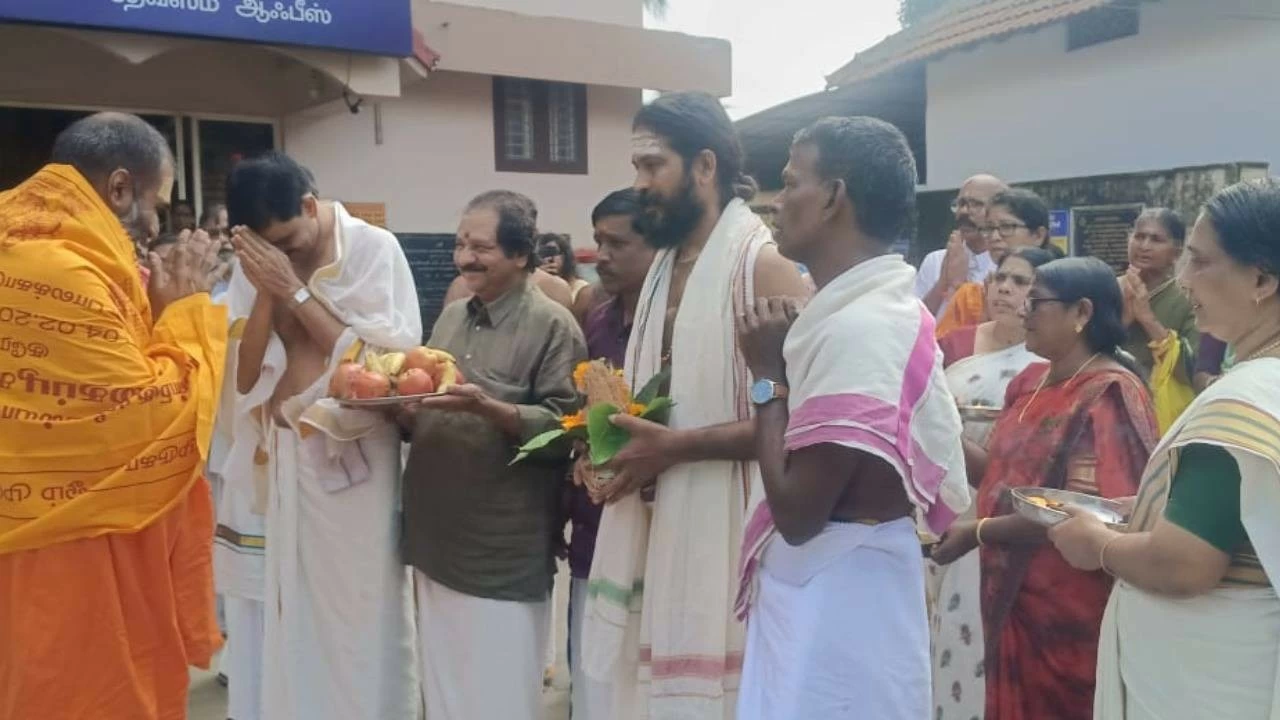

Malappuram: After 250 years, the much revered and auspicious ‘Maha Maagham’, the once conducted holy ritual in the banks of Bhratha Puzha’ will be organized in its traditional way.
Thus Kerala, the land of Shankaracharya, is gearing up to host its own Kumbh Mela in the banks of Bharathapuzha.
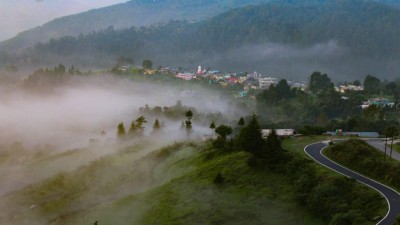
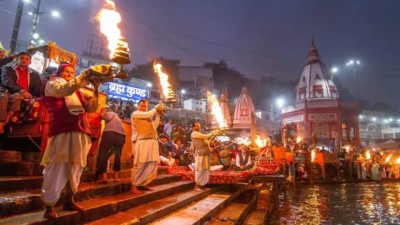
Various rituals such as ‘Yaagam’, ‘Nadhee Pooja’, Sammalenan, ‘Sanyasi Sangamam’ and the holy dip for devotees will take place for 15 days from January 18 to February 3.
“Taking a cue from the mega religious gathering in the north, Kerala, the land of Shankaracharya, is gearing up to host its own Kumbh Mela for the first time in history.
Shankaracharya is believed to have founded the akhara system to oversee the propagation of Sanatana Dharma in North India, under which Kumbh Melas are held.
On the lines of the four major Kumbh Melas—in Haridwar, Ujjain, Nashik and Prayagraj— the Maha Maagham Kumbh Mela will be held from January 18 to February 3, 2026 on the banks of the Bharathapuzha in front of the Thirunavaya Nava Mukunda Temple in Malappuram.
A reception committee will be constituted on November 23 to coordinate the events. Juna Akhara, the country’s largest monastic order and one of the principal bodies responsible for organising the Kumbh Melas, will oversee the festival in Kerala, the akhara’s Mahamandaleshwar Swami Anandavanam Bharathi told News9.
He is only the third Keralite to reach the coveted spiritual rank. Once an SFI leader in Thrissur, he parted ways from red ideology to embrace the saffron order. Swami Anandavanam said Kerala has a rich religious tradition similar to Kumbh Mela.
“In Thirunavaya, Maha Makham was held during the time of Cheraman Perumal. This was equivalent to the Kumbh Mela held in north India,” he said.
“The last Maha Maagham was conducted before 250 years under the guidance of the ‘Samoothiri’ king who ruled in Kerala.