Sign In
By signing in or creating an account, you agree with Associated Broadcasting Company's Terms & Conditions and Privacy Policy.
By signing in or creating an account, you agree with Associated Broadcasting Company's Terms & Conditions and Privacy Policy.
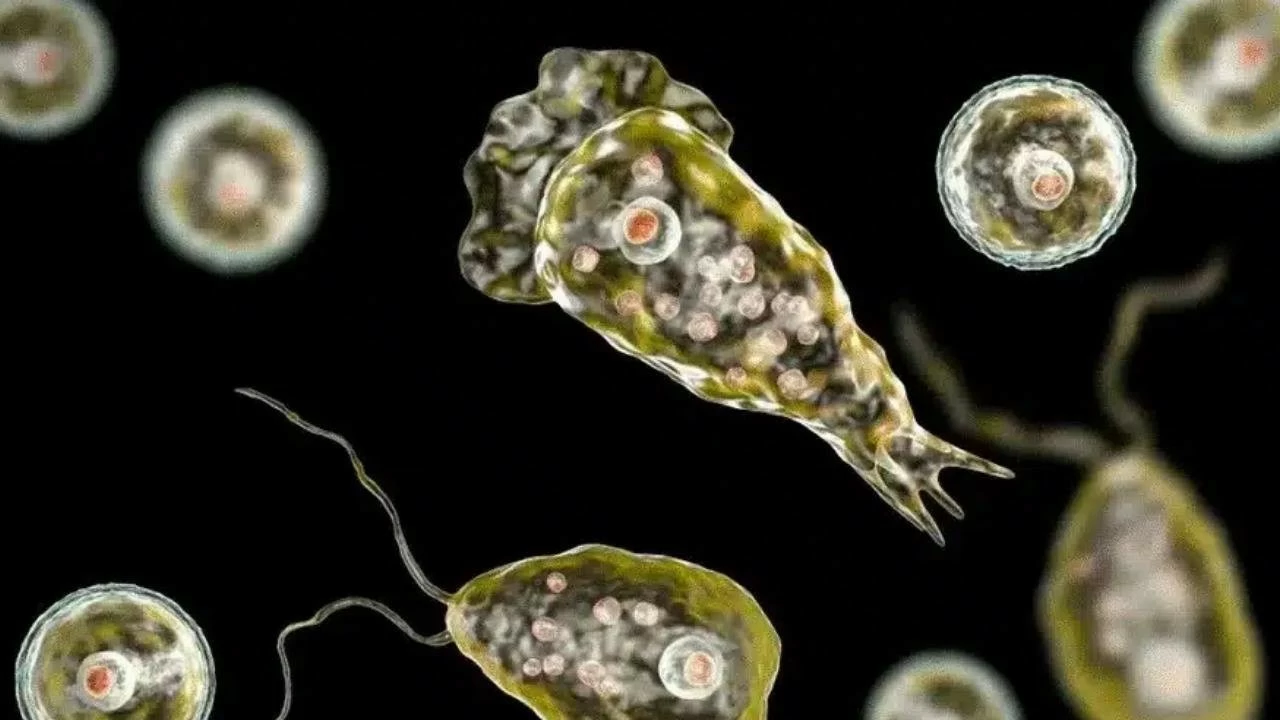


Malappuram: Recurring deaths due to Amoebic meningoencephalitis in the last one month has led to panic among the public in Kozhikode and Malappuram districts – the 2 northern districts where all the cases were reported in the state. State reported its sixth death in a month from amoebic meningoencephalitis today where in 18 people are undergoing treatment for the rare brain fever.
The latest victim, Shaji (47), a native of Chelambra in Malappuram, succumbed to the disease while undergoing treatment. He was admitted to the medical college in a critical condition on August 9. The source of his infection has not yet been identified.



Last week, Shobhana, a resident of Thiruvali near Wandoor in Malappuram, died at Kozhikode Medical College Hospital (MCH) after being diagnosed on September 6. Ratheesh, a native of Sulthan Bathery, a three-month-old baby from Omassery in Kozhikode; Ramla, a 52-year-old woman from Malappuram; and a nine-year-old girl from Thamarassery are the other victims. Currently, 10 patients are being treated for amoebic meningoencephalitis at Kozhikode MCH.
“There has been number of places in Malappuram and Kozhikode where the amoeba was found in stagnant water, soil, cesspools and in fresh water lakes. All these areas where the amoeba was found was in close proximity with densely populated colonies in the two North Malabar districts”, said a senior official from the Kozhikode district health department.
Doctors warn that the infection, though rare, has emerged as a serious health concern this year with repeated cases being reported across districts. The disease is caused by amoebas found in stagnant water, soil, cesspools, freshwater lakes and rivers.
Doctors warn that the infection, though rare, has emerged as a serious health concern this year with repeated cases being reported across districts. The disease is caused by amoebas found in stagnant water, soil, cesspools, freshwater lakes and rivers.