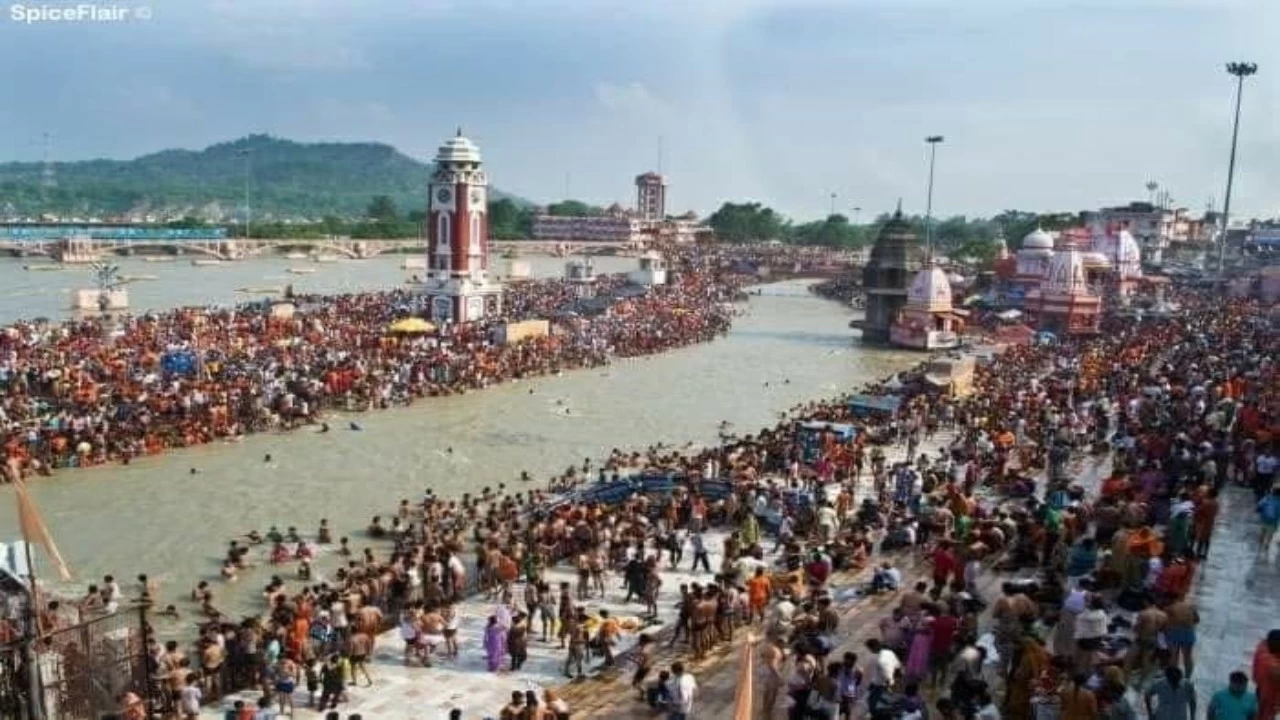
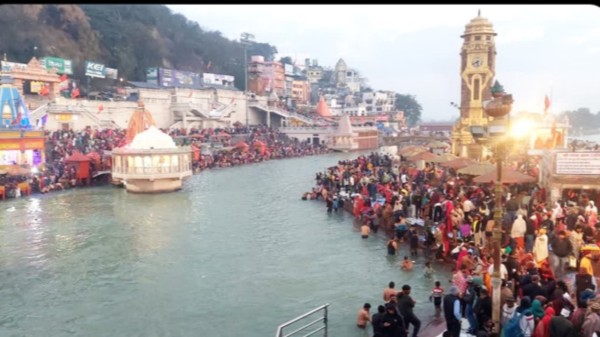
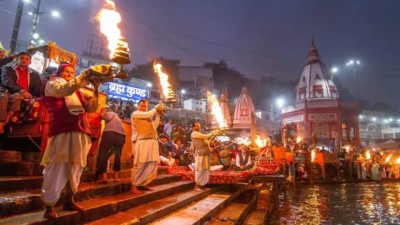
Haridwar: Haridwar, one of the most sacred Hindu pilgrimage cities, is at the center of a growing debate. With the 2027 Ardh Kumbh Mela approaching, demands to restrict non-Hindus from entering the Ganga ghats and festival areas have stirred strong reactions among residents, shopkeepers, priests, and leaders.
The controversy began when Shri Ganga Sabha President Nitin Gautam addressed the media, suggesting that non-Hindus should not be allowed entry into the Ardh Kumbh. Chief Minister Pushkar Singh Dhami verbally supported the idea, saying it could help preserve the sanctity of the festival.
Saints also supported this restriction
Vishwa Hindu Parishad (VHP) leader Sadhvi Prachi also demanded strict restrictions, citing security concerns and the need to protect religious sentiments.
Ravindra Puri, President of All India Akhara Parishad, said banning non-Hindus across Haridwar is impractical due to its diverse population, but restrictions at Ganga bathing areas during the 2027 Ardh Kumbh could be welcomed, with exceptions for officials on duty.
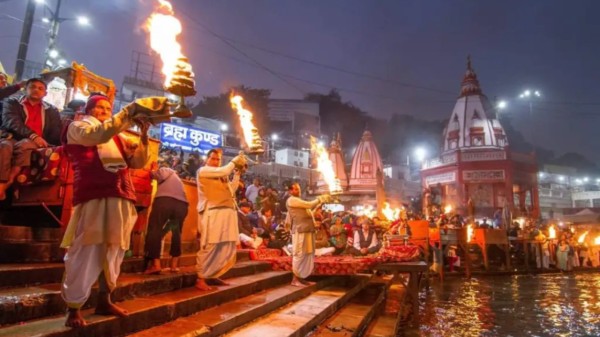
The Ardh Kumbh Mela, scheduled to begin on January 14, 2027, on Makar Sankranti and conclude on Maha Shivratri, is expected to attract six to seven crore devotees. With such massive participation, the proposal has quickly become a matter of public discussion.
Voices in support
Many shopkeepers and priests in Haridwar expressed agreement with the ban. Ramkumar, a shopkeeper at Jahnavi Market near Har Ki Pauri, said non-Hindus should be allowed to work but must leave by 4:00 pm. He emphasized that the Kumbh is a Hindu festival and should remain exclusive to Hindus.
Pilgrim priest Shivam Kaushik echoed this view, pointing out that bylaws already restrict non-Hindus from purchasing property in areas near Har Ki Pauri. He argued that since millions of Hindus come to bathe in the Ganga, contact with those who consume meat or alcohol could reduce the spiritual benefits of the ritual.
Pradeep Rawat, another shopkeeper in Bara Bazaar, claimed that restrictions on non-Hindus existed even during the British era. He raised concerns about beggars in Haridwar, suggesting that many of them are non-Hindus and should be verified before the festival.
Local resident Naveen Joshi also supported the ban, saying Haridwar is a Hindu pilgrimage city and the Ardh Kumbh should be celebrated safely without interference. He too linked the issue to beggars, claiming verification would expose non-Hindus living in the area.
How authorities would verify
Not everyone agrees with the proposal. Subhash Pant, a shopkeeper near Har Ki Pauri, questioned how authorities would verify who is Hindu and who is not. He said millions of people attend the Kumbh, and it is impossible to judge who is good or bad based on religion. Malhotra warned that such restrictions could create unnecessary divisions and practical challenges.
Others in the community expressed unease about the idea of banning entry. They pointed out that in Prayagraj’s Kumbh Mela, no such restrictions were imposed, and people of all faiths were allowed to participate peacefully. Critics argue that Haridwar should follow the same inclusive approach.
Currently a hot topic in Haridwar
The issue has now become a hot topic in Haridwar, with discussions taking place in markets, temples, and public spaces. Supporters believe the ban would protect the sanctity of the Ardh Kumbh and ensure safety for millions of pilgrims. Opponents argue that it could harm Haridwar’s image as a welcoming spiritual destination and raise questions about religious freedom.
As preparations for the 2027 Ardh Kumbh continue, the debate is likely to intensify. The state government has yet to issue an official order, but the voices of shopkeepers, priests, and residents show how deeply divided public opinion is on this sensitive matter.