


Sign In
By signing in or creating an account, you agree with Associated Broadcasting Company's Terms & Conditions and Privacy Policy.
By signing in or creating an account, you agree with Associated Broadcasting Company's Terms & Conditions and Privacy Policy.
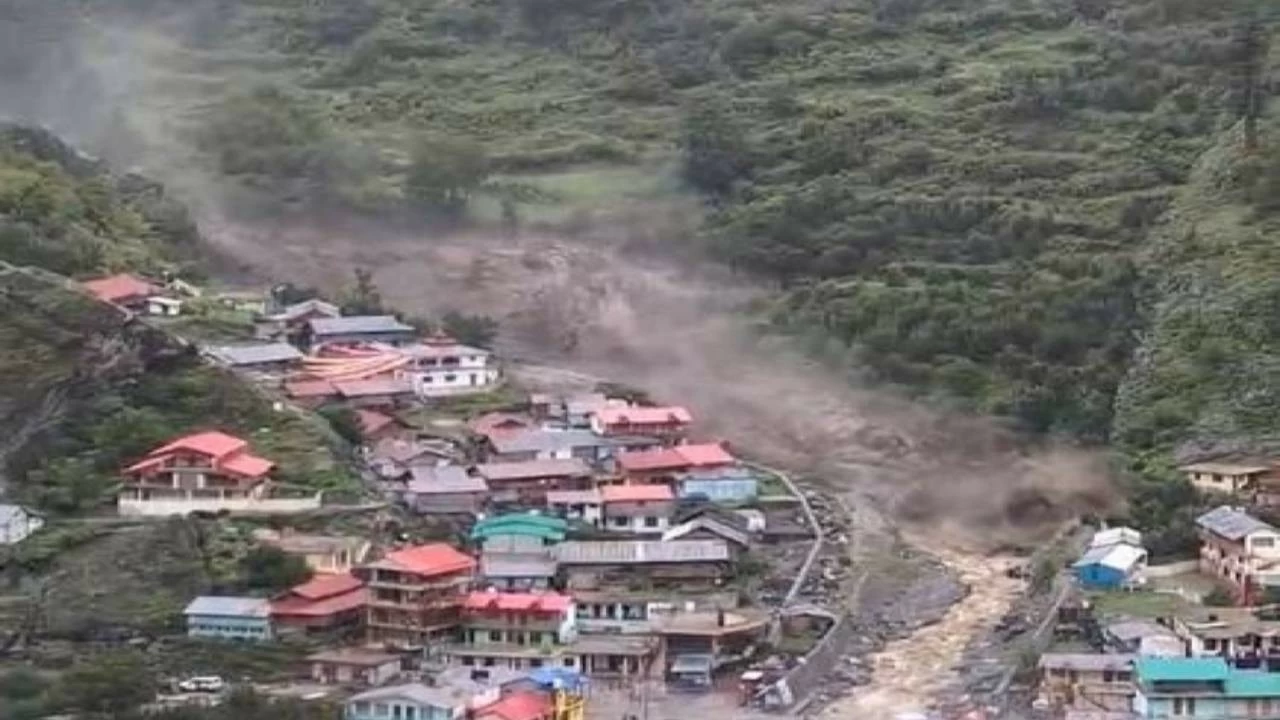
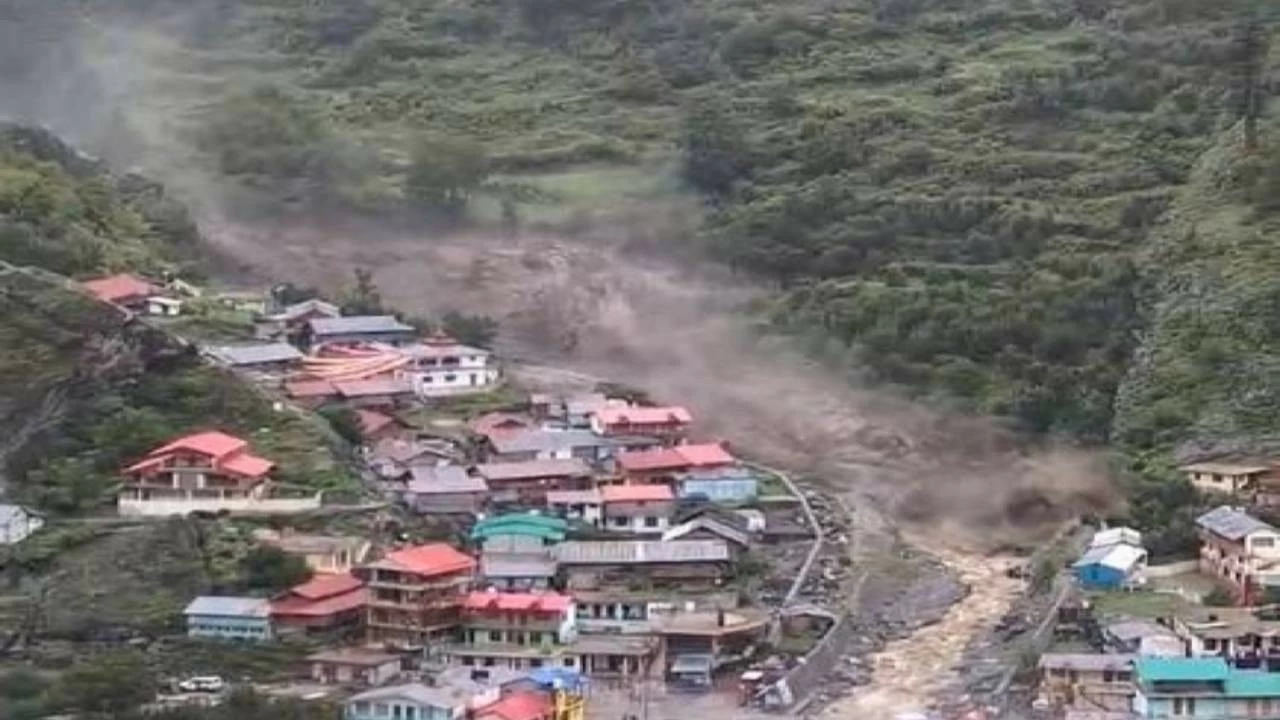
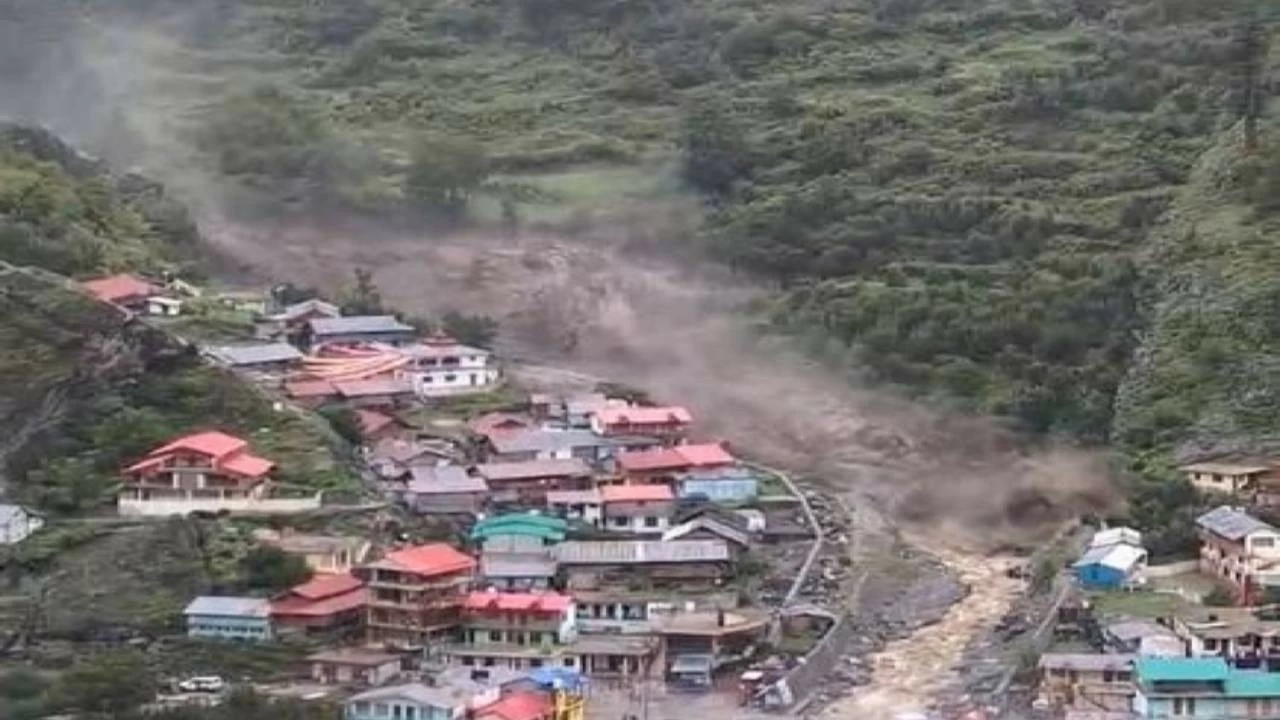


Dehradun: In Uttarakhand, nature is not just a backdrop—it’s a force, a guide, and increasingly, a teacher. From cloudbursts to landslides, flash floods to avalanches, the state has witnessed repeated disasters that have reshaped lives and landscapes. But beyond the destruction, these events are sending a clear message: development must walk hand-in-hand with nature, not against it.
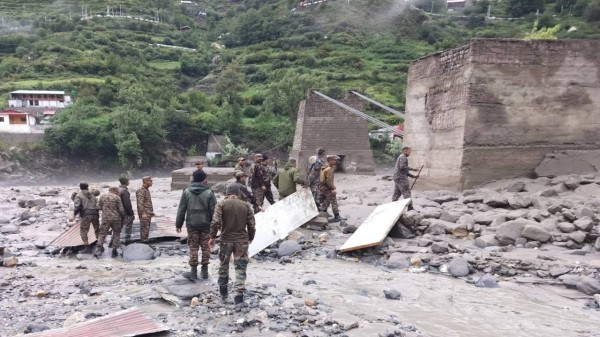
Exactly one month ago, on August 5, the peaceful village of Dharali in the Harshil Valley was turned into rubble within minutes. A sudden surge of water and debris from Kheer Ganga swept through the market and residential areas, burying homes under 20 to 25 feet of mud and stone. 62 people were trapped, including eight locals. In nearby Telagad, nine army personnel went missing in a separate incident. The scale of destruction was overwhelming.
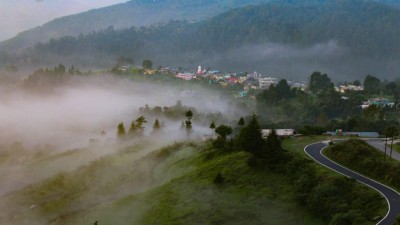


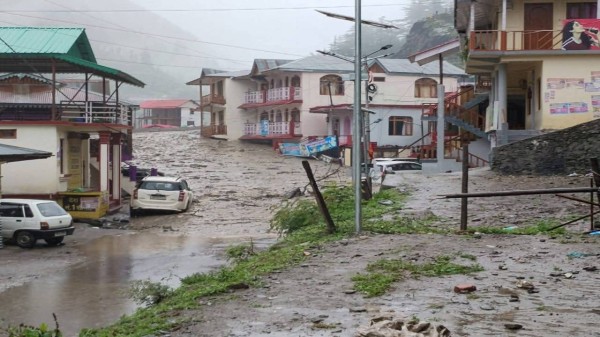
Even now, Dharali remains covered in debris
The silence that hangs over the village is heavy, broken only by the sound of rain and the occasional movement of rescue teams. While basic services like electricity and water have been restored, the emotional and physical scars remain fresh. Continuous rainfall in the region has made recovery slow and painful.
The State Disaster Response Force (SDRF) and Army teams reached the site quickly, but broken roads and bridges delayed administrative support. Bodies were recovered days and even weeks later. The disaster was a grim reminder of the fragility of the Himalayan terrain and the urgency of preparedness.
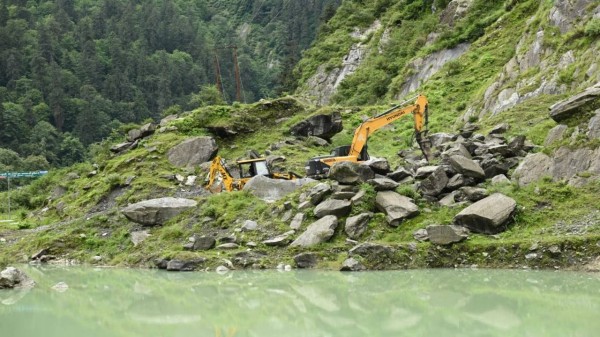
Massive economic loss of over Rs 5000 crores
This year’s monsoon has been the heaviest since 2015, causing widespread damage across Uttarakhand. So far, 79 people have died, 115 injured, and 90 remain missing. Over 3,900 animals have perished, and 238 houses have been completely destroyed, with 2,800 more partially damaged. These numbers reflect not just the power of nature, but also the gaps in planning and infrastructure. Since the Kedarnath tragedy in 2013, Uttarakhand has suffered a massive economic loss of over Rs 5000 crores, as the disaster management authority informed the media.
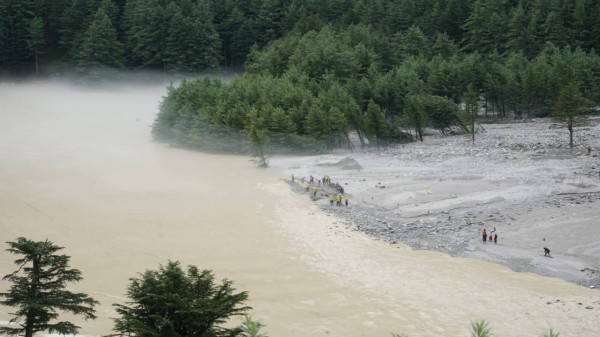
Uttarakhand’s geography makes it naturally vulnerable
Experts say that Uttarakhand’s geography makes it naturally vulnerable. The steep slopes, glacial rivers, and unstable soil are prone to landslides and flash floods. But human activity—especially unregulated construction, deforestation, and tourism pressure—has made things worse.
Rivers are choked with debris
The Char Dham all-weather road project, while aimed at improving pilgrimage access, has led to blasting, muck dumping, and slope destabilization. Rivers are choked with debris, and once-pristine streams are polluted. Glaciers, the sacred sources of rivers like the Ganga and Yamuna, are retreating rapidly due to climate change, vehicular emissions, and construction dust.

Essence of pilgrimages is diluting
Ironically, pilgrims who come to worship the Ganga in Gangotri are also contributing to the degradation of her source. The spiritual journey has become a fast-paced, commercial experience, with helicopter rides and luxury hotels replacing slow, mindful travel. This shift has diluted the essence of pilgrimage and increased the ecological burden.
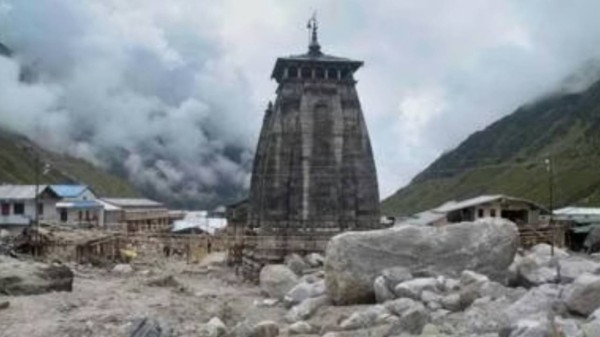
The Dharali disaster, like the Kedarnath floods of 2013, is a wake-up call. Nature is showing us the consequences of ignoring its limits. But it’s also offering lessons—if we’re willing to learn.
Important lessons from Nature
1. Respect the Land’s Limits: Development must be planned according to the region’s carrying capacity. Building on unstable slopes or near riverbanks without proper geological studies invites disaster.
2. Strengthen Disaster Management: Early warning systems, helipads for quick rescue, and trained local teams are essential. Villagers and migrant workers must be educated in basic safety protocols.
3. Promote Sustainable Tourism: Tourism should not overwhelm local resources. Eco-friendly infrastructure, waste management, and limits on visitor numbers can help protect fragile areas.
4. Restore Environmental Balance: Afforestation with native species like oak can stabilize slopes. Grazing lands and traditional pastures must be preserved to maintain local livelihoods.
5. Build Resilient Infrastructure: Homes, roads, and public buildings should be designed to withstand natural hazards. Materials and techniques must suit the terrain, not just the budget.
6. Educate and Involve Communities: Local people are the first responders in any disaster. Their knowledge and participation in planning can make development more grounded and effective.
Cohesive planning is the path forward
The way ahead lies in cohesive planning. Departments must work together—not in silos—to protect both people and nature. Every project should include disaster risk reduction and environmental safeguards.
Public awareness is key. Schools, media, and local institutions must spread the message that nature is not an obstacle to development—it’s the foundation. Respecting it is not optional; it’s essential.
The Himalayas are young and still evolving. They cannot bear the weight of unchecked ambition. As climate change accelerates and disasters become more frequent, Uttarakhand must lead by example—showing how to grow without destroying, how to welcome pilgrims without polluting, and how to build without burying its own future.
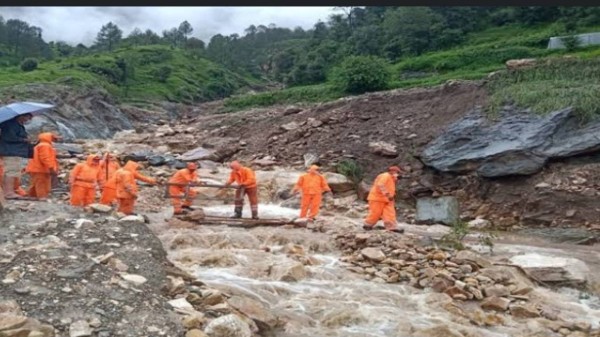
Messages from nature through floods, landslides, and avalanches
Nature has spoken through floods, landslides, and avalanches. It’s time we listen—not with fear, but with humility and action. Because in Uttarakhand, nature is the best teacher, and the lessons it offers are not just about survival—they’re about harmony, resilience, and hope.










