Sign In
By signing in or creating an account, you agree with Associated Broadcasting Company's Terms & Conditions and Privacy Policy.
By signing in or creating an account, you agree with Associated Broadcasting Company's Terms & Conditions and Privacy Policy.
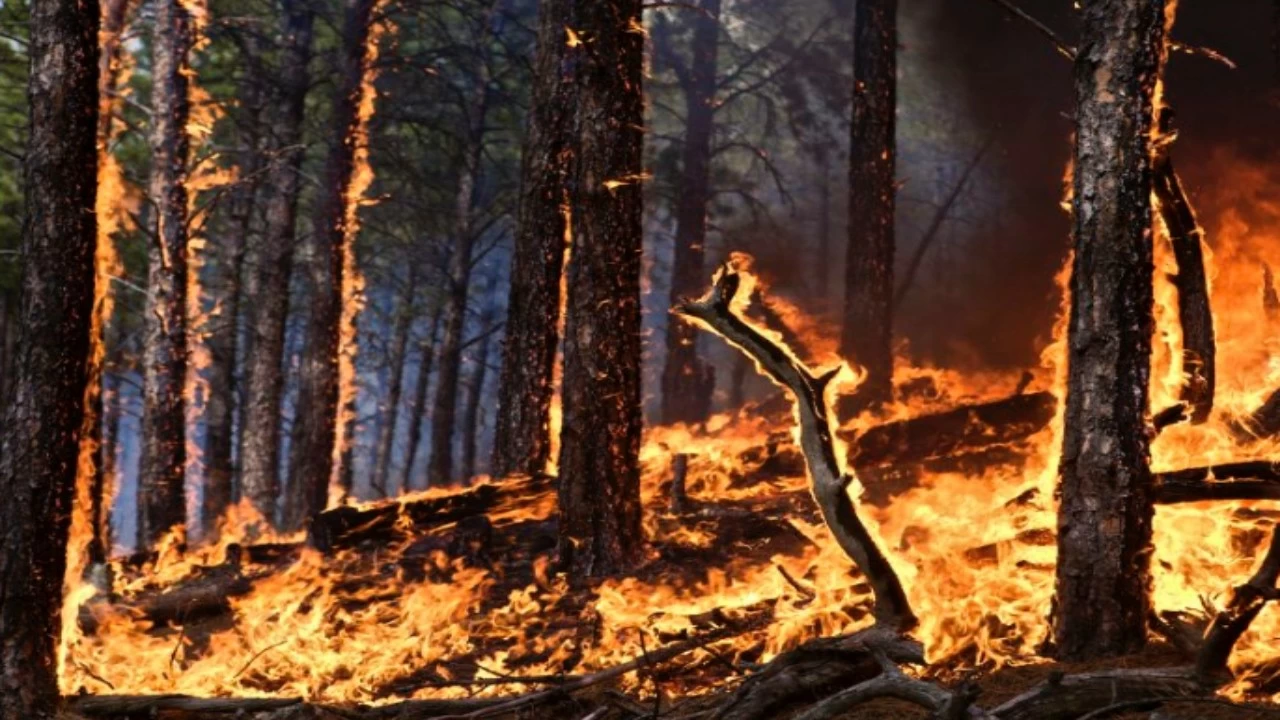


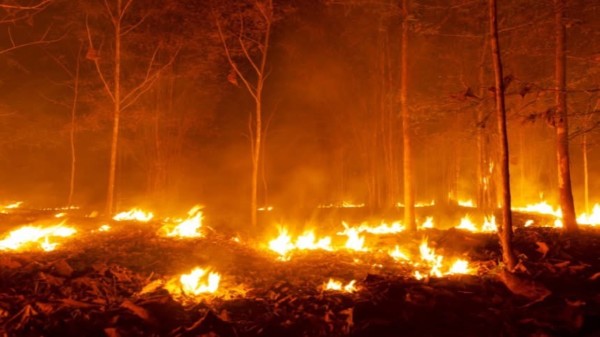
New Delhi: The Himalayas, long considered a natural fortress of snow and serenity, are now facing an unprecedented crisis. Forest fires, typically associated with the dry summer months of May and June, are erupting in the bitter cold of January.
From Uttarakhand’s Yamuna Valley, Kedarnath, and Nanda Devi forests to Himachal Pradesh and Kashmir, flames are spreading across the mountain belt, disturbing ecological balance and threatening communities.


Uttarakhand: Yamuna Valley, Kedarnath, Nanda Devi
In Uttarkashi’s Yamuna Valley, a massive blaze in the Mugarsanti Range has reached just below Kotiyal village, filling the valley with thick smoke and panic. Forest wealth worth millions has already been destroyed, while wildlife faces grave danger. Nearby, forests bordering Kedarnath are engulfed in flames, raising fears among pilgrims and residents. The Nanda Devi Biosphere Reserve, one of India’s most biodiverse zones, has also reported fire outbreaks, endangering rare species and fragile ecosystems.
According to the Forest Survey of India (FSI), Uttarakhand has recorded over 1,200 forest fire incidents this winter, a sharp rise compared to previous years.
Himachal and Kashmir also burning
The crisis is not confined to Uttarakhand. Himachal Pradesh has reported more than 400 fire incidents in January alone, affecting districts like Kullu and Kangra. Kashmir too has witnessed at least 150 forest fire cases this season, many in snow-covered zones.
What expert say
Amit Kumar Verma, senior scientist at the Forest Research Institute (FRI), Dehradun, explained: “Forest fires are part of a natural cycle, but climate variability is compressing and intensifying that cycle. Longer, drier winters are desiccating forests, making them combustible even in January.”
Dr. Bilal Ahmad, environmental scientist from Srinagar, added: “This is climate stress at work. We are seeing fires in snow-covered slopes, something unheard of before. It signals a dangerous shift in the Himalayan ecosystem.”
Ramesh Chauhan, forest officer in Kullu, Himachal Pradesh, warned: “We are seeing fires in areas that never burned before. It’s a worrying sign for biodiversity and for communities dependent on forest resources.”
Many adverse effects on health and livelihood
Across the Himalayas, thick plumes of smoke are spreading through valleys, causing breathing difficulties for residents. Farmers fear damage to fields and orchards, while wildlife habitats are being destroyed. In Uttarakhand, villagers in Kotiyal complain of smoke-induced health problems. In Himachal, communities are struggling to protect grazing lands and orchards. In Kashmir, fires in snow-covered slopes have shocked locals, who are unaccustomed to flames in mid-winter.
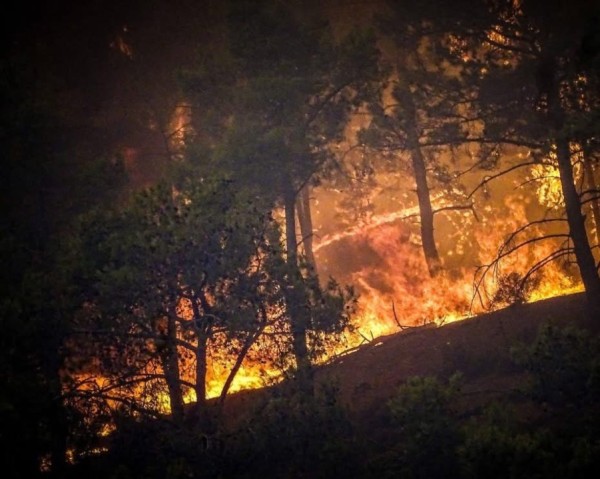
Prolonged dry spells leave forests vulnerable to ignition
Experts link these unusual winter fires to climate change. Warmer winters, reduced snowfall, and prolonged dry spells leave forests vulnerable to ignition. The Himalayan ecosystem, already fragile, is now facing compounded risks. Forest fires not only destroy vegetation but also release carbon emissions, further contributing to global warming. The timing of these fires—occurring in mid-winter—highlights how climate patterns are shifting, making disaster management more complex.

A regional crisis
The Himalayan belt is witnessing a regional crisis. Fires in Yamuna Valley, Kedarnath, Nanda Devi, Himachal, and Kashmir are not isolated incidents—they are part of a disturbing pattern of out-of-season blazes. The ecological wealth of the region, including biodiversity and water resources, is at risk. The Himalayas, often called the “water towers of Asia,” are now burning in winter. This crisis threatens not only local communities but also the broader ecological balance of the subcontinent.
Experts emphasize the need for climate-sensitive forest management across the Himalayan states. Preventive measures, community awareness, and rapid-response firefighting systems must be strengthened. Without immediate intervention, both ecological balance and community safety stand at risk.