Sign In
By signing in or creating an account, you agree with Associated Broadcasting Company's Terms & Conditions and Privacy Policy.
By signing in or creating an account, you agree with Associated Broadcasting Company's Terms & Conditions and Privacy Policy.
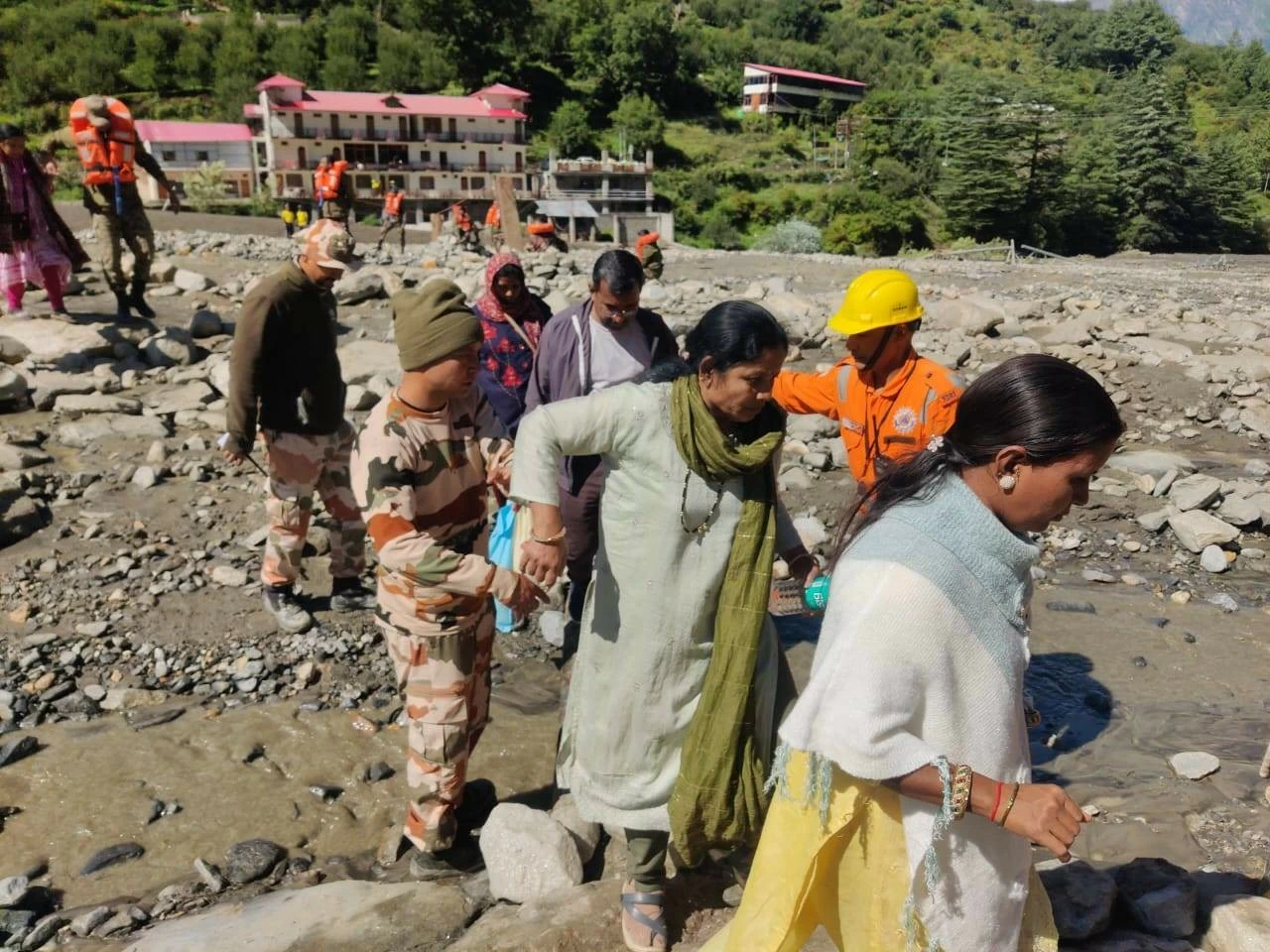
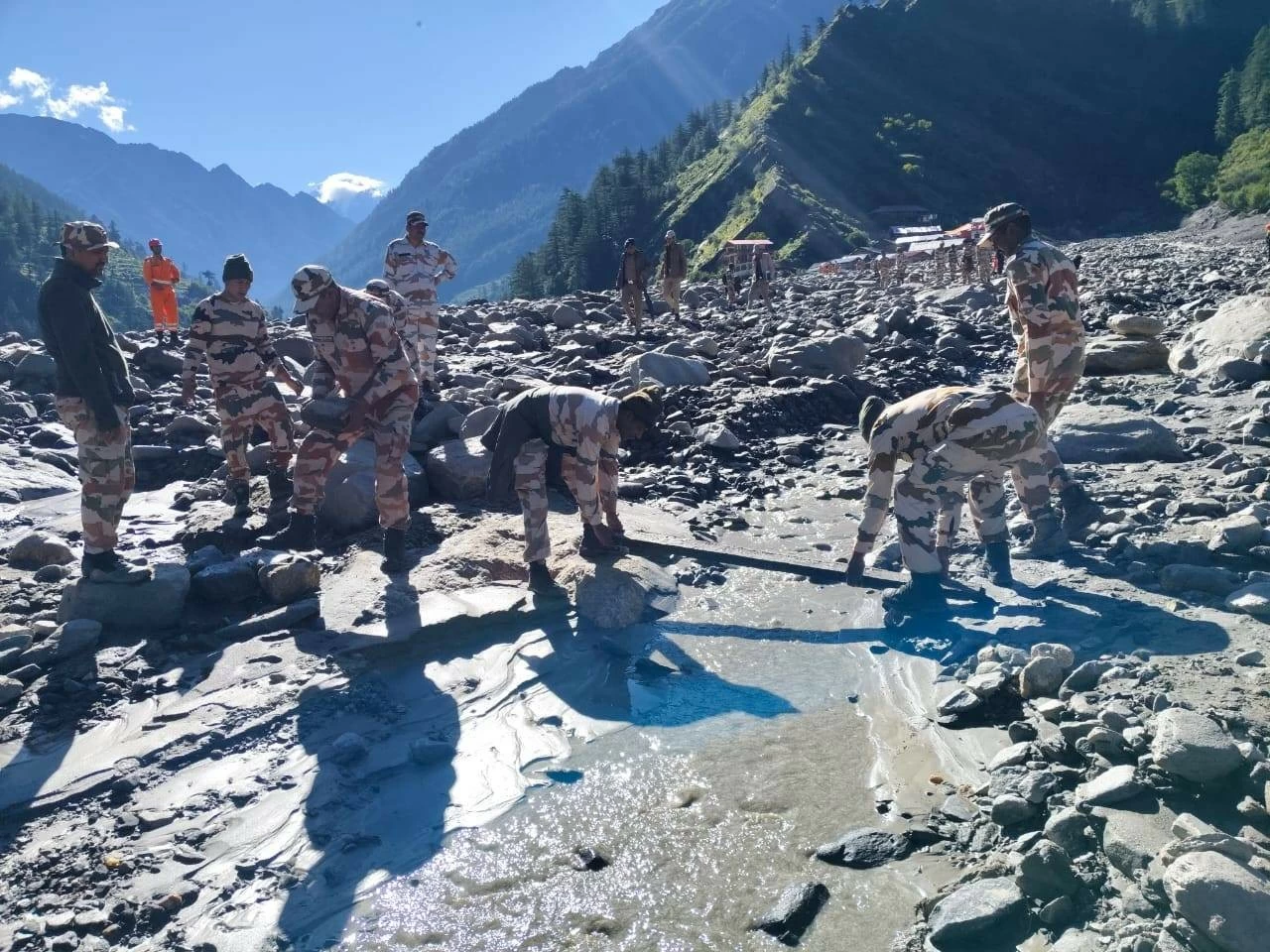
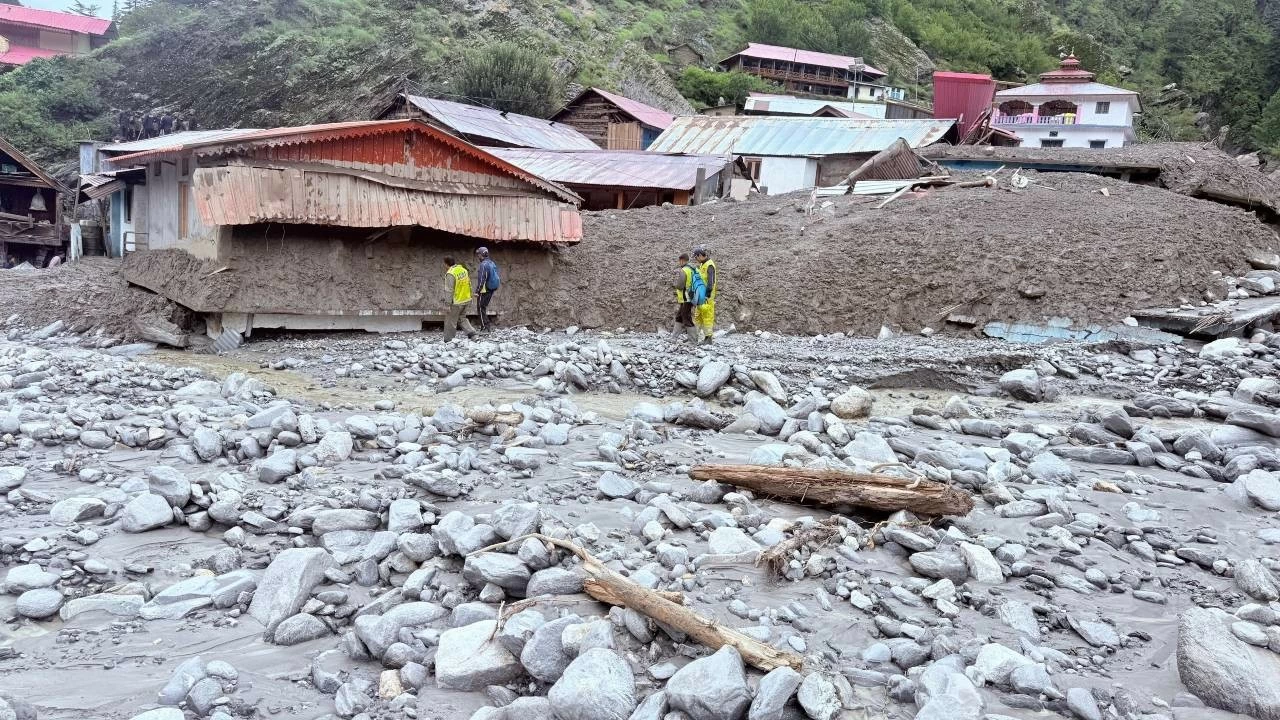


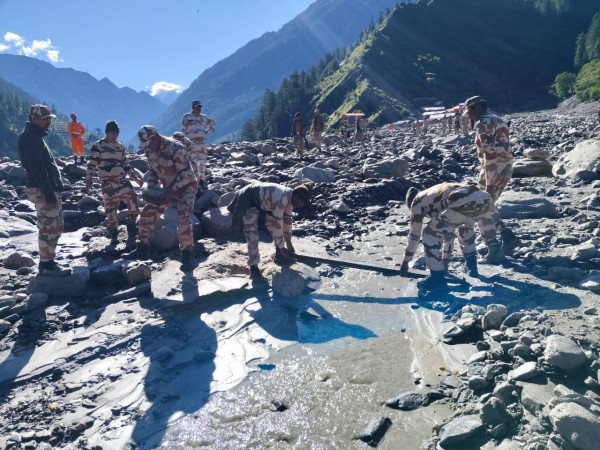
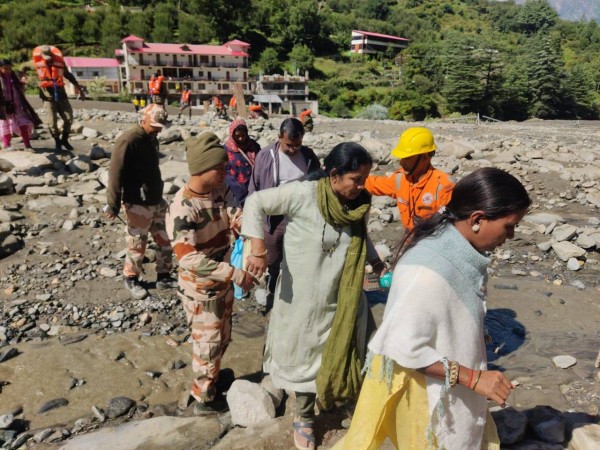
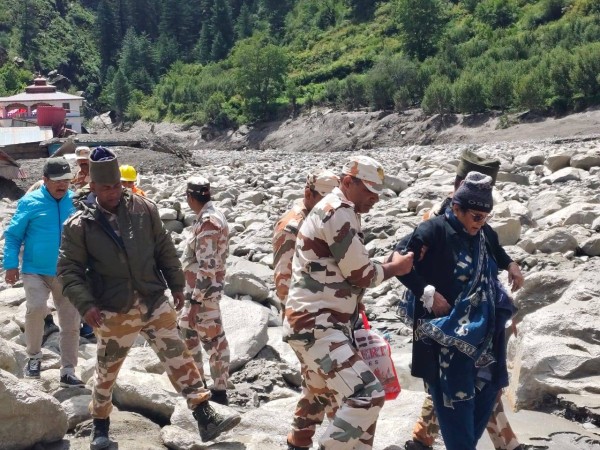
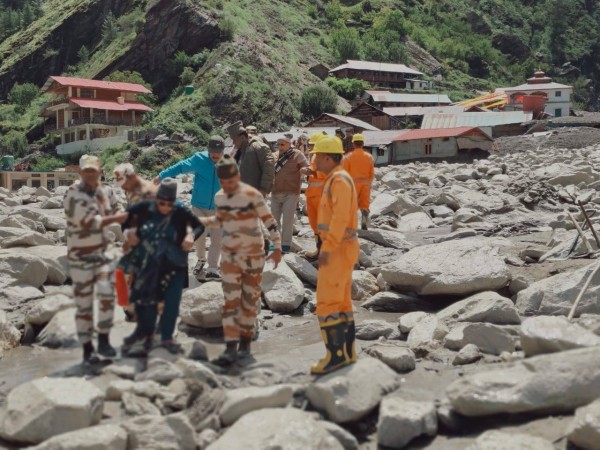
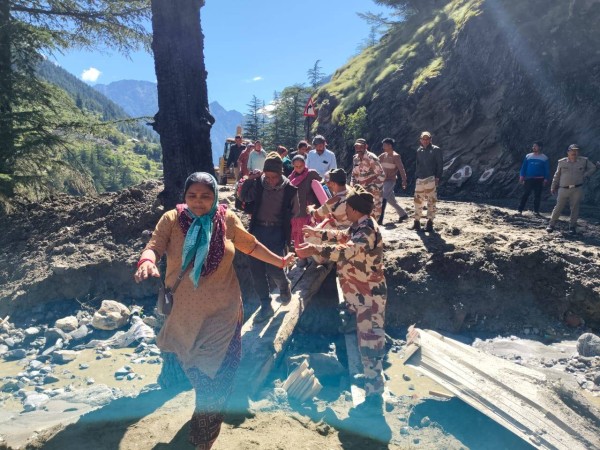
Dehradun: The flash flood that hit Dharali village in Uttarkashi on Tuesday has once again reminded the serious concerns about environmental damage in the Bhagirathi Eco-Sensitive Zone (BESZ).
Experts say the disaster was not just natural but it was worsened by human interference, especially the proposed felling of over 6,000 deodar trees in the region during a road widening project in 2020.

What Is the Bhagirathi Eco-Sensitive Zone?
In 2012, the Union government declared the watershed area from Gaumukh to Uttarkashi—covering around 4,179 sq km—as an Eco-Sensitive Zone. This was done to protect the fragile Himalayan ecosystem from pollution, unregulated development, and risky projects like large hydropower plants and riverbed mining. The BESZ includes 89 villages such as Dharali, Gangotri, Harshil, Mukhba, and Maneri. The terrain here is made of moraine—loose glacial debris—which is highly prone to landslides and floods.
Ignored warnings and proposed tree felling
Despite the eco-sensitive status, both central and state governments have been lax in enforcing regulations. In 2020, the Ministry of Road Transport and Highways (MoRTH) proposed widening the National Highway to accommodate Char Dham pilgrims. This plan includes cutting down over 6,000 deodar trees in a 10-km stretch from Jangla to Dharali, Harsil, and Jhala—precisely where the flood struck
Tree felling could lead to repeated avalanches and floods
In 2020, the Supreme Court appointed a High-Powered Committee (HPC) to assess the environmental impact of the Char Dham road project. Experts like Hemant Dhyani and DP Dobhal warned that disturbing these slopes by tree felling could lead to repeated avalanches and floods due to climate change. The HPC recommended building elevated roads near rivers to avoid tree felling, but these suggestions were ignored.

Some leaders opposed ESZ status
After the BESZ was declared, some political leaders in Uttarakhand opposed it, calling it anti-development. The state government then pushed for a regional master plan to allow infrastructure growth without affecting local rights. However, this led to a flood of construction in sensitive areas, including hotel buildings and helipads, often violating eco-zone norms.
Amendment to Eco-Zone rules
In 2018, the BESZ notification was amended to allow development activities while maintaining environmental protection. This opened the door to construction projects, including the Char Dham all-weather road. A regional master plan was approved in 2020, and work began soon after. Environmentalists opposed the move, saying it violated the spirit of the eco-zone and endangered the region.
Now experts remind those warnings
Environmentalists and scientists have repeatedly flagged the risks. Hemant Dhyani, who was also a member of HPC, said the terrain is disaster-prone and needs proper assessment before any tree felling. DP Dobhal, a former glaciologist, explained that retreating glaciers shift the timberline upward, and trees help reduce the impact of natural disasters. Vimlendu Jha, a river ecosystem expert, warned that development must align with the Himalayas’ fragile ecology.
A disaster waiting to happen
The Dharali flood is a tragic example of what happens when ecological warnings are ignored. The area’s fragile terrain, combined with tree felling and unregulated construction, turned a natural event into a deadly disaster. Experts say this must be a wake-up call for stricter enforcement of eco-zone rules and more responsible development planning.
Environment activist Anoop Nautiyal said repeated tragedies in Kedarnath, Chamoli, Joshimath, and now Dharali show that flawed policies are accelerating ecological degradation. “If anything, unscientific development is making the region more vulnerable,” he warned.