Sign In
By signing in or creating an account, you agree with Associated Broadcasting Company's Terms & Conditions and Privacy Policy.
By signing in or creating an account, you agree with Associated Broadcasting Company's Terms & Conditions and Privacy Policy.
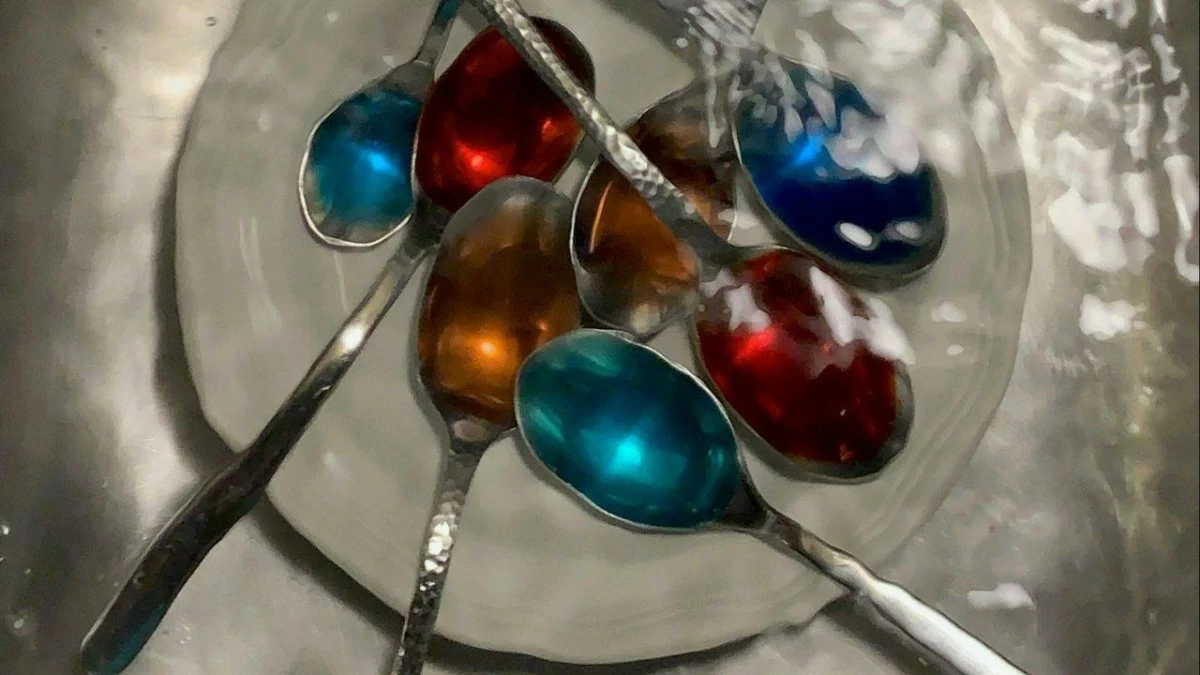

New Delhi: The Spoon Theory is a metaphor used to explain the daily struggles of people living with chronic illnesses, disabilities, and mental health conditions. It was first introduced by Christine Miserandino, a lupus patient and advocate, who used spoons to visually demonstrate how limited energy resources impact daily life.
The concept emerged when a friend asked Christine what it was like to live with lupus. To illustrate, she grabbed a handful of spoons and explained that each spoon represented a unit of energy. She then began listing everyday tasks—getting out of bed, taking a shower, making breakfast—and for each action, she took away a spoon.
Unlike healthy individuals who start their day with an unlimited or replenishable supply of energy, those with chronic illnesses have a finite number of spoons. Once they run out, they cannot simply "push through" without severe exhaustion or pain.
Spoon Theory quickly resonated with people suffering from conditions such as fibromyalgia, multiple sclerosis, depression, and anxiety. It gave them a way to communicate their struggles to friends and family in a tangible way. For example, someone might say, “I’m out of spoons today,” to indicate they are too exhausted to engage in social activities or complete daily tasks.
The theory also highlights the need for careful energy management. People with limited spoons must prioritise their tasks, sometimes choosing between cooking a meal and attending an event. If they overextend themselves, they might borrow spoons from the next day, leading to severe burnout or flare-ups in symptoms.
Although originally created for chronic illness sufferers, Spoon Theory has found broader applications. Many people use it to describe the effects of stress, burnout, or mental exhaustion. It encourages empathy and awareness, reminding others that not everyone has the same level of energy or stamina.
Ultimately, the Spoon Theory helps foster understanding and support. It encourages those with chronic conditions to set boundaries and practice self-care while helping others appreciate the unseen battles many people face every day.