Sign In
By signing in or creating an account, you agree with Associated Broadcasting Company's Terms & Conditions and Privacy Policy.
By signing in or creating an account, you agree with Associated Broadcasting Company's Terms & Conditions and Privacy Policy.
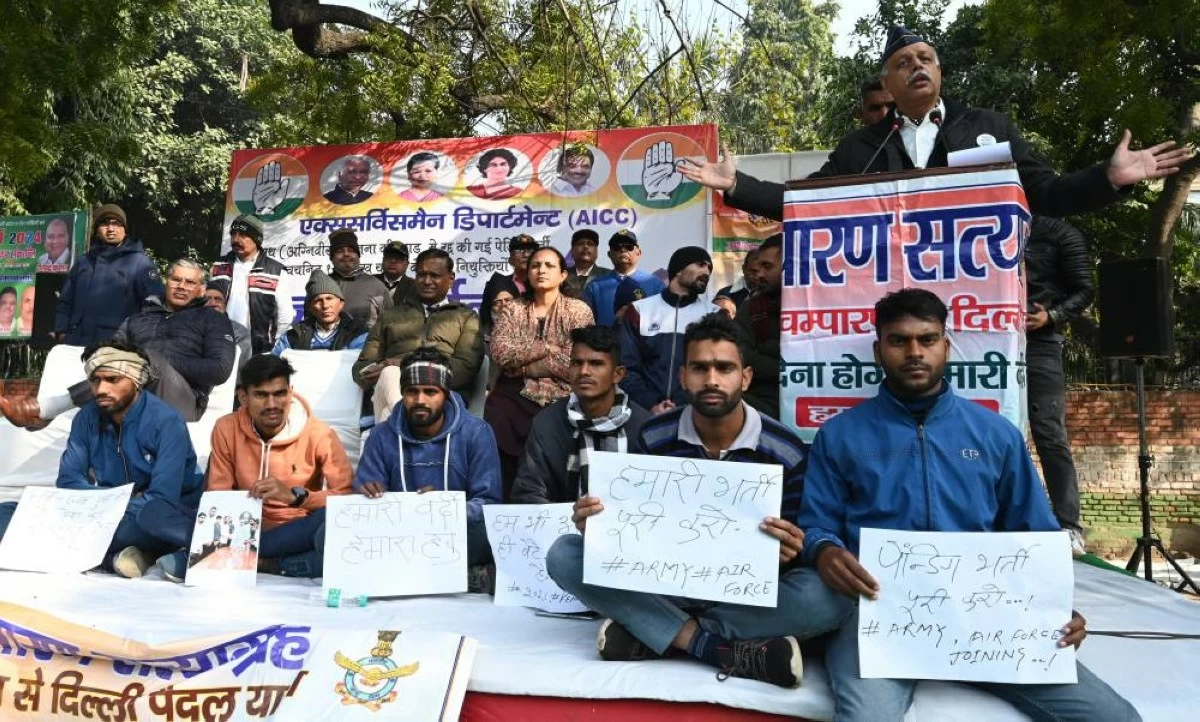


New Delhi: In June 2022, the Government of India introduced the Agnipath scheme, a transformative military recruitment initiative aimed at modernising the armed forces and addressing budgetary constraints. The scheme seeks to recruit young individuals, termed 'Agniveers', for a four-year tenure, with the possibility of retaining 25 per cent for extended service based on performance and organisational needs. While the primary focus of Agnipath is on the Indian Army, Navy, and Air Force, its implications for India's paramilitary forces, collectively known as the Central Armed Police Forces (CAPFs), are significant and multifaceted.
The Agnipath scheme was designed to rejuvenate the armed forces by infusing younger talent and reducing the long-term financial burden associated with pensions and other benefits. Under this scheme, people aged between 17.5 to 21 years are recruited for a short-term service of four years. After the period, 25 per cent of these recruits are selected for continued service, while the remaining 75 per cent are demobilised with a financial package but without pension benefits. The approach aims to maintain a youthful demographic within the military ranks and allocate resources more efficiently.



The Agnipath scheme presents several potential advantages for paramilitary recruitment:
Skilled workforce availability: The demobilised Agniveers, having undergone rigorous military training and possessing discipline, physical fitness and operational experience, represent a pool of candidates well-suited for roles in CAPFs. Their prior training can lead to reduced training durations and costs for paramilitary forces.
Enhanced Operational Efficiency: Integrating people with military backgrounds can enhance the operational capabilities of paramilitary units, especially in areas requiring combat skills, strategic planning and crisis response.
Youthful demographic: The inclusion of younger personnel can contribute to a more dynamic and agile force, capable of adapting to evolving security challenges.
Despite the potential benefits, many challenges and concerns have emerged:
Job Security and Career Uncertainty: A major concern is the future employment prospects of Agniveers after their four-year tenure. The lack of assured absorption into permanent roles within the military or paramilitary forces raises questions about job security and long-term career paths.
Impact on military tradition and cohesion: Critics argue that short-term recruitment may affect the traditional regimental system, unit cohesion and the accumulation of experience within the forces. The transient nature of service could lead to challenges in maintaining the institutional knowledge and camaraderie essential for effective military operations.
Training and integration: While Agniveers receive military training, the specific operational environments of paramilitary forces differ. Extra training and orientation would be necessary to ensure seamless integration, which could offset some of the expected benefits in training cost reductions.
Economic Implications: The financial package provided to demobilized Agniveers, but beneficial, may not compensate for the absence of long-term employment benefits, potentially leading to economic insecurity among veterans.
In recognition of these challenges, the government has initiated measures to facilitate the transition of Agniveers into paramilitary and other sectors:
Reservation policies: Several CAPFs and state police forces have announced reservations for Agniveers in their recruitment processes. For instance, the Central Industrial Security Force (CISF) and the Border Security Force (BSF) have implemented a 10 per cent reservation for former Agniveers, along with age relaxations to accommodate their prior service.
Skill development programmes: Efforts are underway to provide skill development and certification programs to Agniveers, enhancing their employability in various sectors, including private security, disaster management and corporate roles requiring disciplined personnel.
Financial incentives for entrepreneurship: The government has proposed financial incentives and support for Agniveers interested in entrepreneurship, aiming to empower them to start their ventures and contribute to the economy.
The infusion of Agniveers into paramilitary forces could lead to several outcomes:
The experience and training of Agniveers can bolster the operational effectiveness of paramilitary units, particularly in counter-insurgency, border security, and internal security operations. The integration of individuals with military backgrounds may necessitate cultural adjustments within paramilitary forces to harmonise different operational philosophies and work cultures. The entry of Agniveers could influence the career progression of existing paramilitary personnel, necessitating clear policies to manage promotions, postings, and role assignments.
The success of the Agnipath scheme in enhancing paramilitary recruitment hinges on several factors: Effective implementation of reservation policies and support systems is crucial to ensure that Agniveers transition smoothly into paramilitary roles without bureaucratic hindrances. Regular assessment of the scheme's impact on both military and paramilitary forces will be essential to address emerging challenges and refine the program accordingly. Engaging with stakeholders, including current military personnel, Agniveers, paramilitary forces, and policymakers, will be vital to align the scheme's objectives with on-ground realities and expectations.