Sign In
By signing in or creating an account, you agree with Associated Broadcasting Company's Terms & Conditions and Privacy Policy.
By signing in or creating an account, you agree with Associated Broadcasting Company's Terms & Conditions and Privacy Policy.
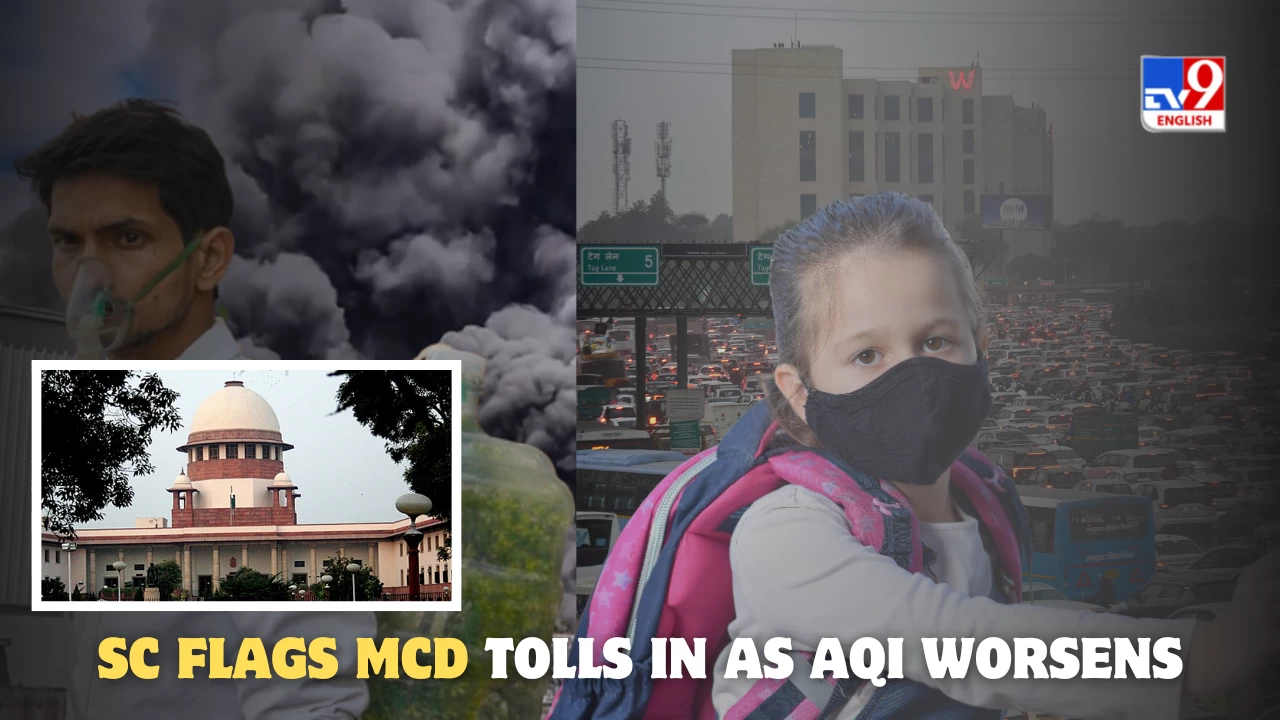

New Delhi: The Supreme Court’s sharp intervention on Delhi’s worsening air pollution has turned the spotlight on an often overlooked contributor, the toll booths operated by the Municipal Corporation of Delhi at the city’s borders.
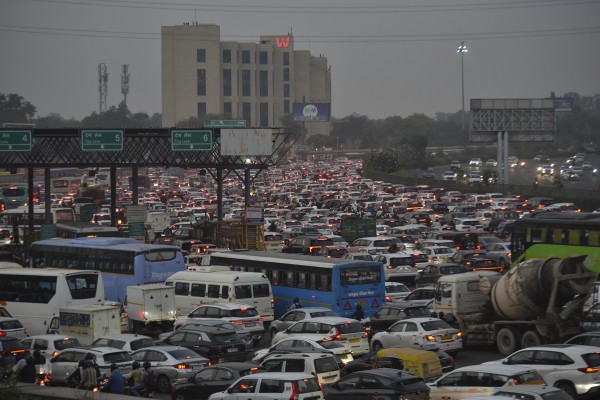
During a hearing on Tuesday, the court questioned why toll collection continues at heavily congested entry points, particularly along the Delhi-Gurugram border, despite clear evidence that these chokepoints are intensifying traffic congestion, increasing emissions, and causing daily hardship for commuters.
The bench, led by Chief Justice of India Surya Kant, expressed concern that vehicles remain stranded for hours at toll plazas, with engines idling and pollution levels rising during the winter months when air quality is already at its worst. The court asked civic authorities to explain why toll collection could not be suspended until January 31, a period that typically coincides with severe smog episodes in the capital.
"We are not against tolls," the Chief Justice said during the hearing. "But you must find a way so that there is no toll till January 31. Tomorrow, will you put a toll plaza in Connaught Place as well, just because you need money?"
At the heart of the court’s concern is the contradiction between imposing pollution control measures while allowing bottlenecks that undermine those very efforts. Judges noted that congestion at toll plazas results in higher emissions than free flowing traffic and questioned the logic of enforcing vehicle restrictions while permitting prolonged queues at city borders.
The court also indicated that it would scrutinise the financial justification for toll collection by the MCD. "We will check how much you earn from these toll plazas and how much you spend on maintaining highways," the bench told the civic body, signalling a possible audit of toll revenue and expenditure.
Beyond pollution, the judges highlighted the social cost of congestion. "People do not go to attend functions because they are afraid of the traffic," the Chief Justice observed. "Vehicles are stranded there only because of the toll plaza."
"Why can't Gurugram toll be shut till January?" the Supreme Court asked, adding that "air purifiers are not the solution."
As a possible way forward, the court asked the National Highways Authority of India to examine whether toll collection could be shifted away from Delhi’s borders. One option discussed was allowing NHAI to collect tolls at alternative locations and share revenue with the MCD, ensuring civic finances are protected while easing congestion and pollution at critical entry points.