Sign In
By signing in or creating an account, you agree with Associated Broadcasting Company's Terms & Conditions and Privacy Policy.
By signing in or creating an account, you agree with Associated Broadcasting Company's Terms & Conditions and Privacy Policy.
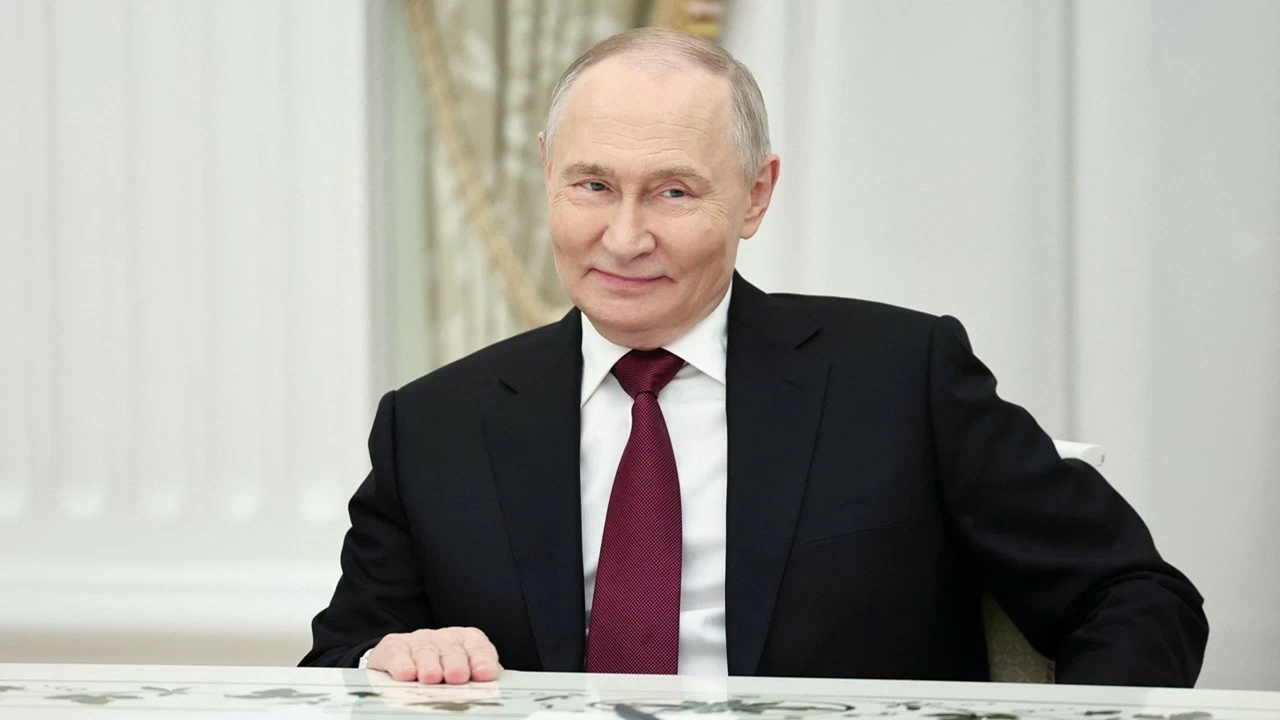


New Delhi: Several attempts by the international community to bring about some stalemate to the Russia-Ukraine war has been ongoing for a long time now. While most attempts have been for naught, it is finally looking like there are at least some chances at reaching at least some points of agreement between the two parties.
In the latest turn of events, Ukrainian President Volodymyr Zelenskyy said that proposals being negotiated with US officials for a peace deal to end the war with Russia are "very workable" and could be finalized within days. The next step is US envoys presenting the plan to Russia and their assent to further rectify them.
The current plan of action comes at the back of Donald Trump’s administration flouting a major peace plan to end the hostilities between Russia and Ukraine. The United States 28 points proposal to end the Russia-Ukraine war has been going well and forms the basis of the ongoing negotiations.
The Trump-backed peace plan proposes a number of things looking to resolve some of the most contentious issues between the two warring parties. Points enumerated in the deal include freezing frontline territorial control, imposing constitutional limits on Ukraine’s future NATO membership, and offering Ukraine “reliable security guarantees” and seeking a broad non-aggression pact between Russia, Ukraine, Europe and NATO.
The plan has been looked at divisively, with some critics arguing that it would require major concessions from Ukraine on its territorial identity, while others say it is currently the best way to resolve the unending conflict.
Conversations surrounding the peace plan look to be going well. American officials on Monday said that there's consensus from Ukraine and Europe on about 90 per cent of the points enumerated in the plan. On the plan working out, US President Donald Trump said, "I think we're closer now than we have been, ever."
Meanwhile, Kremlin spokesman Dmitry Peskov reiterated that for Russia the priority is a comprehensive peace deal, not a temporary truce. If Ukraine seeks "momentary, unsustainable solutions, we are unlikely to be ready to participate," Peskov further added.
Zelenskyy on the other hand is engaged in a fine balancing act on his own. He has warned that if Putin rejects diplomatic efforts, Ukraine expects increased Western military aid to combat the Russian military aggression. Threats of further economic sanctions on Russia can also be expected.
UK Defense Secretary John Healey was also seen to be upbeat about the peace plan’s progress. "We are at a major moment in this war. The US-led push for peace is advancing, and yesterday in Berlin there were signals of a progress in the peace talks which is further advanced than at any time during this war," he said at a virtual meeting of the Ukraine Defense Contact Group.
The Trump peace deal for Ukraine and Russia appears to be moving at a swift pace, further awaiting Russian assent. The main point of contention though remains territorial accession and claims.
While issues like sanctions and Ukraine’s NATO ambitions can be resolved, what remains the biggest obstacle to a comprehensive peace plan remains the question of territory. Russia has claimed all the areas in four key regions it has seized in the war, in addition to the Crimean Peninsula. It wants all this to be recognized as Russian territory.
It is highly unlikely that Putin would relent on this point. For Ukraine, to accept this demand from Russia would be extremely difficult. Without any settlement or territorial compromise from the Russian side, giving in to this demand would mean a major loss for Ukraine, in essence all its military campaigns would then be nullified if it loses all the territory to Russia.
Further Putin wants major curtailments on Ukraine's army and its bid to join NATO to be dismissed. This would further weaken Ukraine’s position and its attempts to protect its interest against any other probable Russian aggressions in the future.
The way out seems to only be Donald Trump’s insistence and the concessions and promises his peace plan gives to Ukraine. For Ukraine to cede territory now so as to get sufficient legally binding security guarantees from the West under the Trump plan is one way to end the current stalemate. Otherwise, the slow but steady advance of Russian forces in the east would go on, and the US too with time is likely to actively disengage with Ukraine’s military and peace efforts, something it looks to not support indefinitely.
Then it is only Europe which can help address Ukrainian military and security concerns, aided by economic sanctions against Russia. The sanctions though have been seen to come with loopholes that Russia has been able to bypass successfully. Thus, while unlikely and perhaps an overall loss for Ukraine, giving minimal territorial concessions to Russia and gaining as much as possible leverage and support from the US under the peace deal, looks like the most probable move from Ukraine.