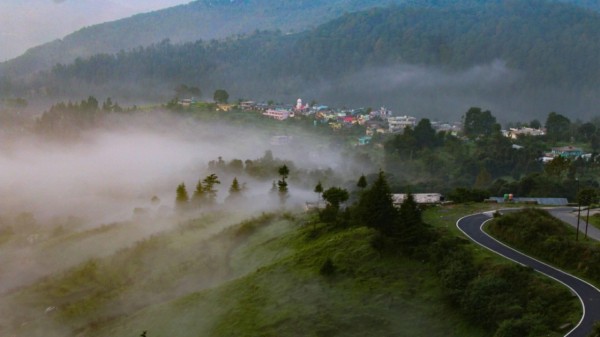
New Delhi: The Ghughuti festival 2026 will be observed on January 14, marking the moment when the sun begins its northward journey. In the Kumaon hills, this seasonal shift carries deep meaning. Cold mornings still linger, yet daylight stretches slightly longer. Valleys feel brighter, and migratory birds slowly return. Also known as Uttarayani, the festival signals that winter has reached its peak and renewal has quietly begun across the mountains. Unlike urban celebrations, Ghughuti unfolds without crowds or spectacle.
During the celebration of the Ghughuti festival, there are no stages or loud processions. The festival centres on early mornings, shared food, and children’s voices calling out to birds. Its simplicity reflects mountain life, where tradition survives through daily rhythm rather than display, and meaning is preserved through intimate rituals passed down across generations.
Why Ghughuti is known as children’s festival
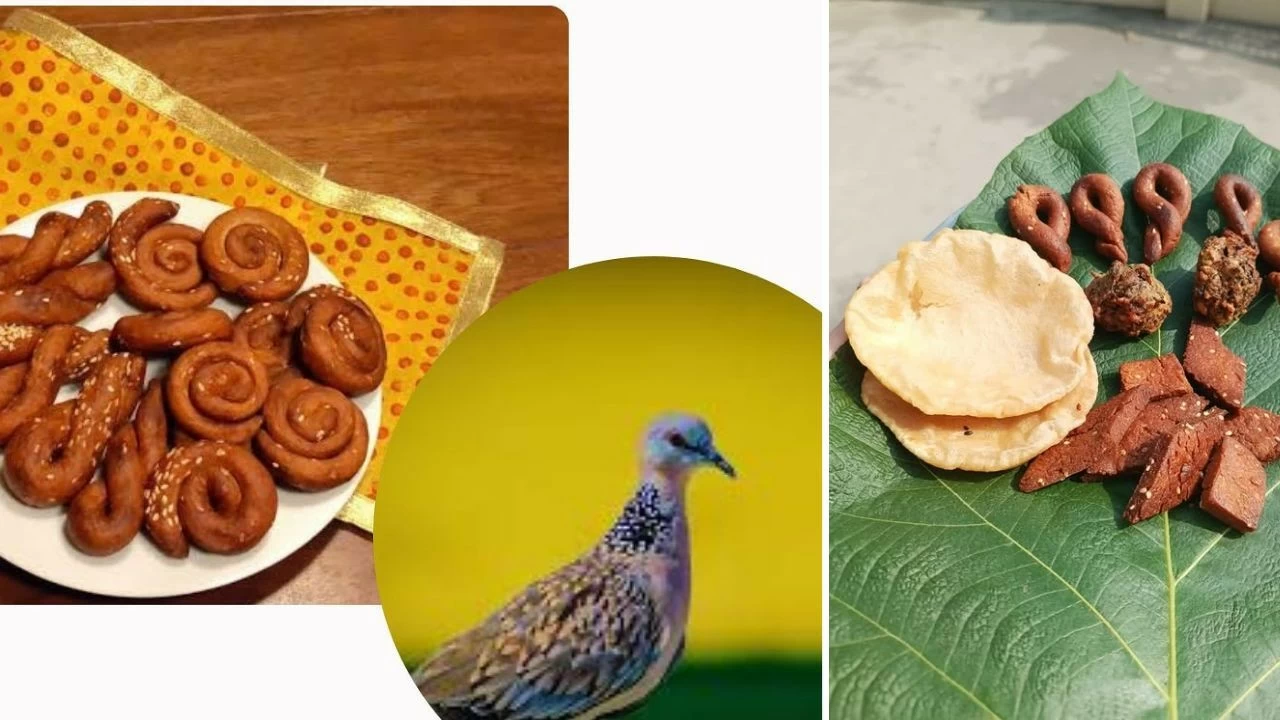
Ghughuti is often described as the most tender festival of Kumaon in Uttarakhand because it belongs to children. Preparations begin at home, where families gather near the hearth to make ghughute, traditional sweets prepared using wheat flour and jaggery. The dough is shaped into rings, fruits, drums, and tiny household symbols, then slow-fried and strung together with oranges to form garlands.
On festival morning, children wear these garlands and step outside singing, “काले कौवा काले, घुघुती माला खा ले.” Crows are fed first. Only after this ritual do children eat, showing patience and shared responsibility.
Meaning behind feeding crows and birds
Feeding crows during Ghughuti is rooted in Kumaoni belief. Crows are seen as messengers of ancestors and symbols of balance between humans and nature. Teaching children to feed them first builds early lessons of humility, generosity, and respect for unseen connections that sustain life in harsh terrain.
Locals believe meeting a crow on Ghughuti day is considered as rare and meaningful as encountering a priest on sacred occasions, reflecting humour layered with wisdom.
Experiencing Ghughuti respectfully as a visitor
Visitors interested in the Ghughuti festival in Uttarakhand should approach the tradition with care. Early mornings hold the essence of the celebration. Observation should come before documentation. Food, when offered, should be accepted as a sign of trust. Local families lead the rhythm, as Ghughuti is intimate rather than performative.
Ghughuti reflects how mountain communities live in balance. Winters remain severe, resources are limited, yet homes feel warm through patience and shared care. Understanding Ghughuti offers insight into a way of life shaped by restraint, rhythm, and quiet continuity.