Sign In
By signing in or creating an account, you agree with Associated Broadcasting Company's Terms & Conditions and Privacy Policy.
By signing in or creating an account, you agree with Associated Broadcasting Company's Terms & Conditions and Privacy Policy.
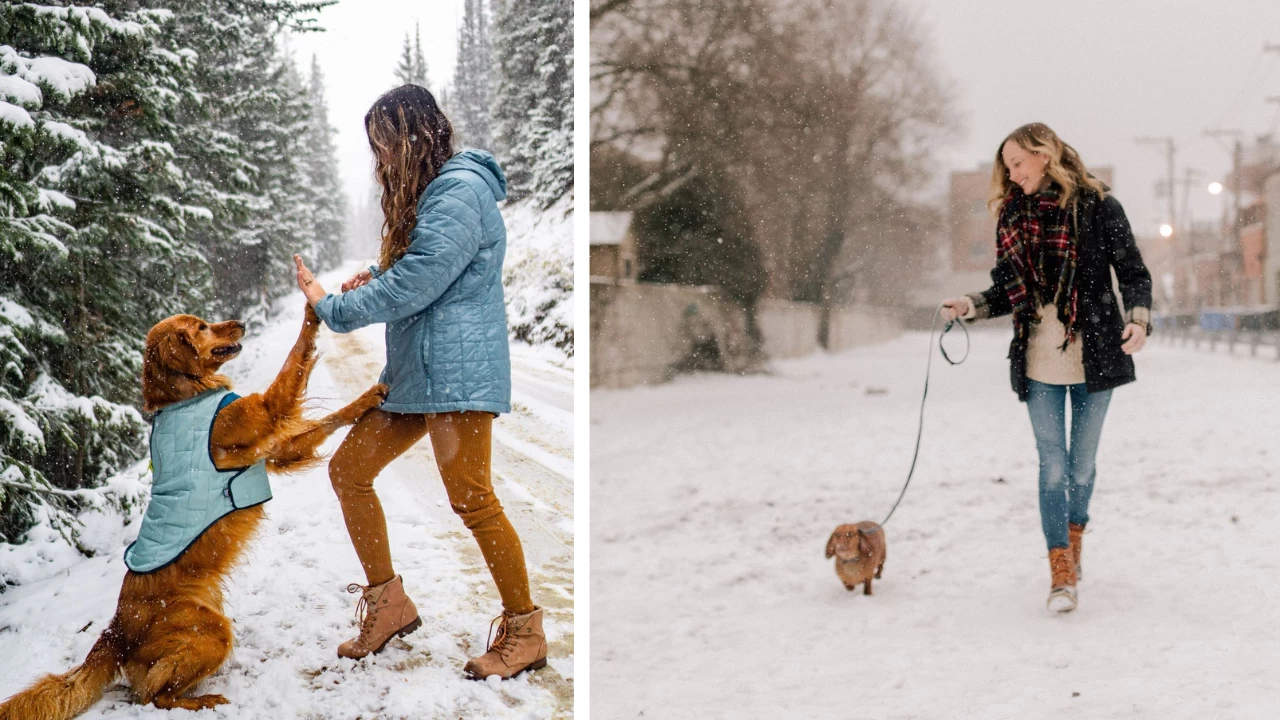


Winter walks offer pets a refreshing change of scenery and essential exercise, but the colder season requires extra care to keep your furry friends safe and comfortable. In 2025, with increased awareness of pet wellbeing, many pet owners are actively seeking reliable tips on how to protect their pets from harsh winter weather. Whether you’re a seasoned pet parent or a new dog owner, understanding the crucial elements of winter pet safety can make the difference between fun walks and potential risks.
Taking steps to ensure your pet’s safety during winter walks includes protecting their paws, regulating outdoor time, and staying alert to signs of cold-related distress. This blog covers eight practical ideas to keep pets warm and secure during chilly strolls, including the best winter gear and precautions for your dog or cat. These safety tips will help you enjoy every frost-kissed moment with your pet confidently and responsibly.
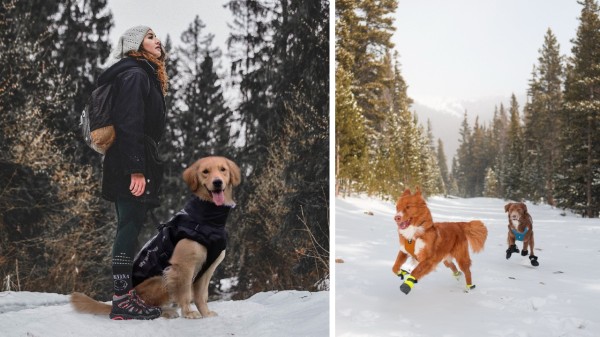
1. Protect paws with booties or balm
Winter salt and ice can irritate and damage paws; use booties or paw wax for protection and comfort. This keeps your pet’s feet healthy and pain-free throughout the season.
2. Limit outdoor time
Shorter, more frequent walks help prevent hypothermia and frostbite; adjust duration based on your pet’s tolerance. Always prioritise your pet’s wellbeing during cold snaps.
3. Dress pets in warm clothing
Sweaters, coats, or fleece jackets help maintain body heat, especially for small, short-haired or elderly pets. Layering adds both warmth and style for winter outings.
4. Keep pets hydrated
Cold air is dehydrating; always offer fresh water before and after walks. Proper hydration supports their energy and overall health in chilly weather.
5. Avoid frozen water bodies
Steer clear of icy ponds or lakes that might crack and pose drowning risks. Safety near water remains critical regardless of the season.
6. Check for signs of cold stress
Shivering, lifting paws or lethargy call for immediate warming and shelter. Early detection prevents serious cold-related health issues.
7. Use reflective gear and lights
Early darkness in winter means visibility is key; use collars, leashes or vests with reflective strips. This ensures both you and your pet stay safe during evening strolls.
8. Dry pets thoroughly after walks
Wet fur combined with cold can lower body temperature; towel dry promptly and warm indoors. Keeping your pet dry helps them stay cosy post-walk.
Winter walks can be a joyful and healthy part of pet care with these simple precautions. By staying informed and prepared, you ensure your pet enjoys winter’s crisp beauty safely, strengthening your bond through shared adventure and wellbeing.