Sign In
By signing in or creating an account, you agree with Associated Broadcasting Company's Terms & Conditions and Privacy Policy.
By signing in or creating an account, you agree with Associated Broadcasting Company's Terms & Conditions and Privacy Policy.
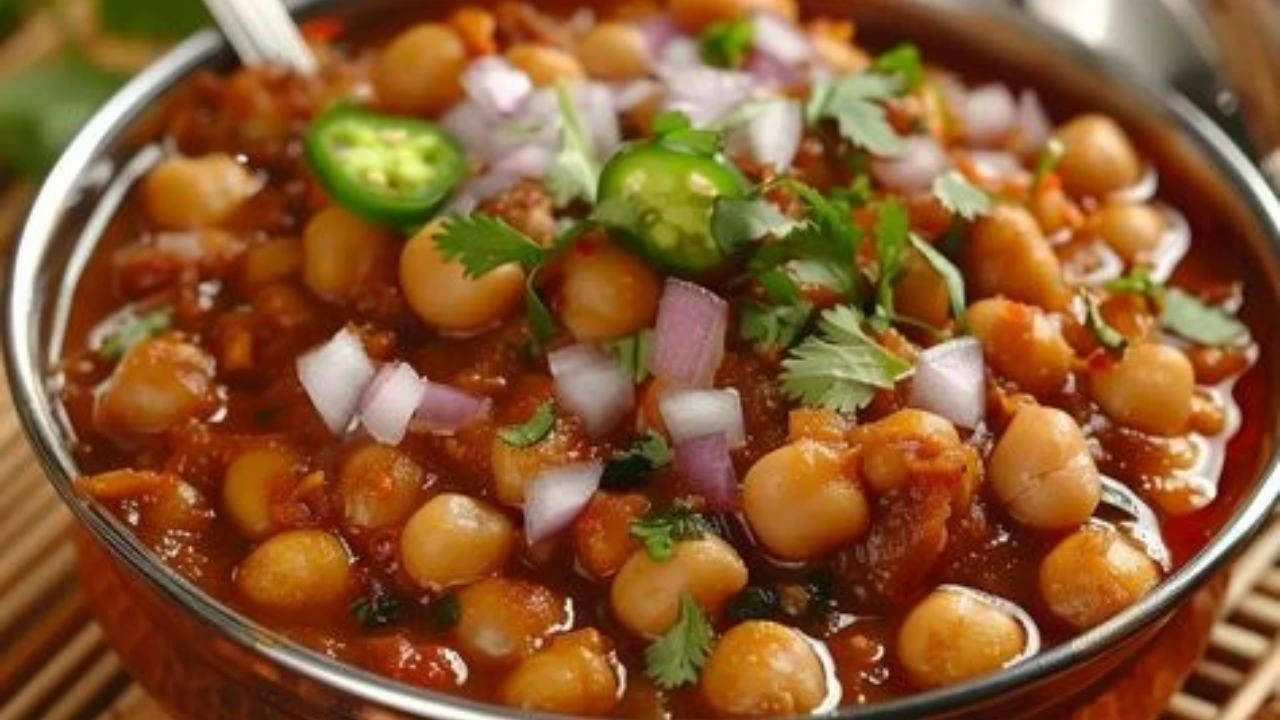

New Delhi: India’s rich culinary heritage extends beyond the popular dishes we enjoy today. Many traditional recipes, passed down through generations, have slowly faded from everyday kitchens due to modernisation, changing lifestyles, and the rise of fast food. Chana Ghugni is a traditional North Indian dish that was once a staple in many households, especially in Uttar Pradesh and Bihar.
This delicious and protein-packed snack is made from black or yellow dried peas cooked in a fragrant spice blend to create a flavourful and nutritious dish. Once a staple diet, this dish has now lost its charm due to the modern cuisines entering the Indian culinary scene, making it hard for people to resist their taste buds to only Indian food, but rather to explore other dishes.
The resurgence of interest in authentic Indian cuisine has prompted food historians and chefs to revive these lost recipes. The farm-to-table movement and a renewed appreciation for regional cooking have further fueled the revival of forgotten flavours.
Chana Ghugni has deep roots in North Indian cuisine, particularly in Bihar, Uttar Pradesh, and Bengal. It was commonly prepared as a street food or as a side dish in festive meals. The dish was known for its high protein content, making it an excellent choice for vegetarians.
The lost recipes, once an integral part of regional cuisines, reflect the unique culture, history, and local ingredients of different states.
Here is your quick and easiest recipe guide to prepare Chana Ghugni at home with authentic flavours from Uttar Pradesh.
Ingredients for Chana Ghugni:
How to prepare Chana Ghugni:
Traditional recipes like Chana Ghugni are rich in nutrition, flavour, and cultural significance. Bringing back such dishes allows us to reconnect with our roots, reduce dependency on processed foods, and enjoy wholesome, home-cooked meals. Try this authentic recipe today for a burst of perfect flavours, and let this traditional lost recipe be a part of your kitchen menu.
Bringing back the recipes that have lost their charm is another way of honouring the tradition and culture of the culinary world. Here is your lost recipe from India to try today at home and enjoy the delicious flavours.