Sign In
By signing in or creating an account, you agree with Associated Broadcasting Company's Terms & Conditions and Privacy Policy.
By signing in or creating an account, you agree with Associated Broadcasting Company's Terms & Conditions and Privacy Policy.
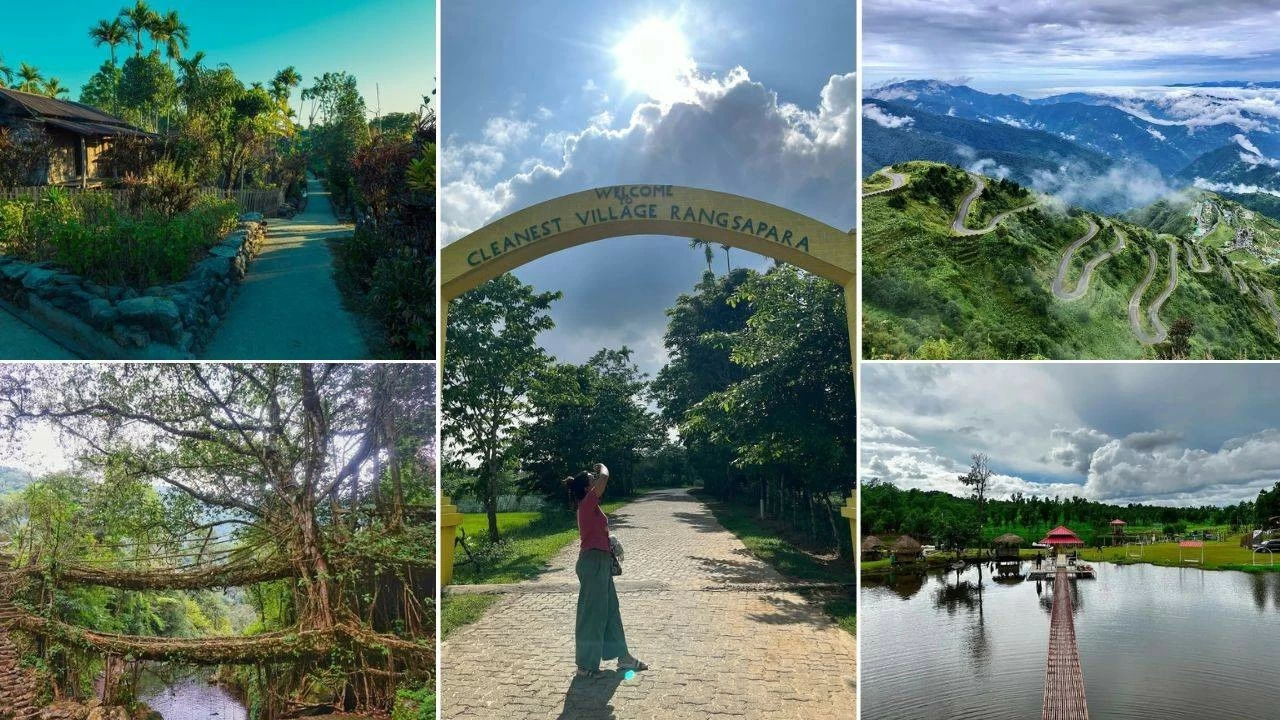

New Delhi: While Northeast India is home to many picturesque villages known for their cleanliness, sustainable living, rich traditions, and enchanting natural beauty, the most renowned is Meghalaya’s Mawlynnong. It is often called Asia's Cleanest Village. Other cleanest villages across the region, from Assam's Rangsapara to Manipur's S Molnam, may be lesser known, but each of these offers visitors a refreshing glimpse into the community bonding and unity among people, panoramic views of the surrounding areas, warmth of local people, century-old arts and vibrant culture and festivals.
If there are tiny pathways surrounded by bamboo, a visitor will also enjoy breathing in fresh mountain air, strolling by green paddy fields, dense forests and mesmerising waterfalls. These villages, inspiring others to follow their action, prove that cleanliness is more than a practice. Rather, it’s a way of life, making Northeast India a model of sustainable and responsible tourism. So, let’s explore more about these villages.
1. Mawlynnong, Meghalaya
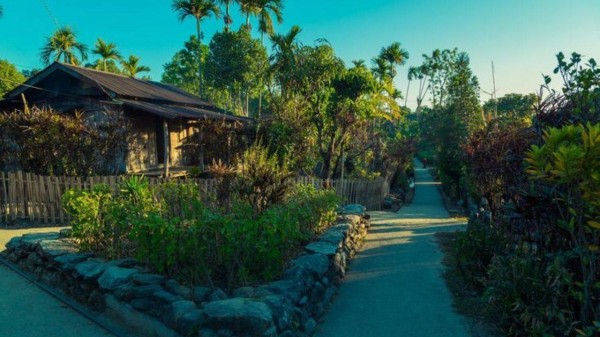
Mawlynnong in Meghalaya is celebrated for its community-led cleanliness, with all residents participating in daily village sweeping.
What to see: The Sky Viewpoint offers panoramic views of the surrounding hills and plains of Bangladesh. Just a short hike away, you can witness the ingenious living root bridges, which are grown from the roots of rubber trees.
What to do: Explore the village’s well-maintained gardens, take a walk on a bamboo skywalk, and experience the warmth of the Khasi tribe by staying at a local homestay.
Best time to visit: October to April offers pleasant weather for exploring.
2. Nongriat, Meghalaya
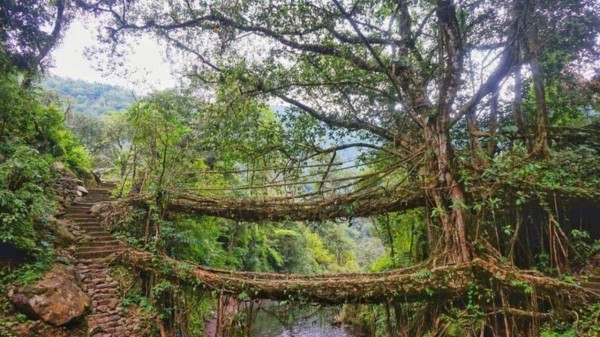
Situated in the heart of Meghalaya’s deep forests, Nongriat is popular for its incredible living root bridges, especially the Jingkieng Nongriat, or Double-Decker Living Root Bridge.
What to see: The main attraction is the double-decker root bridge, an ideal example of natural architecture. A challenging but rewarding trek beyond the bridge leads to the stunning Rainbow Falls.
What to do: The village is only reachable by a trek involving around 3,000 steps, making the journey an adventure in itself. You can swim in the natural pools created by waterfalls.
Best time to visit: The trek is open year-round, but post-monsoon (October to June) is the perfect time to avoid heavy rains, which can make the path slippery.
3. Zuluk, Sikkim
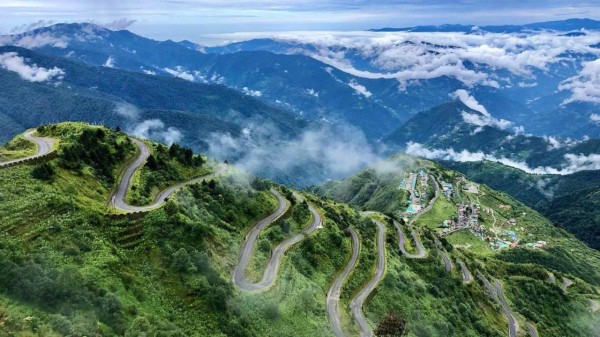
Zuluk is an offbeat destination situated on the historic Old Silk Route in East Sikkim. Its pristine, high-altitude setting offers spectacular views of the Himalayan mountains.
What to see: The famous Zuluk Loops, a winding, 32-hairpin bend road, are a marvel to drive on and a sight to behold from the Thambi View Point. The village also offers panoramic views of the Kanchenjunga range.
What to do: Drive along the historic Silk Route, which links Zuluk to other scenic high-altitude areas. Visit nearby sites like Kupup Lake and the Old Baba Mandir.
Best time to visit: For clear mountain views, autumn (mid-September to November) is ideal. To see snow, visit during the winter, but be mindful of road closures.
4. Thenzawl, Mizoram
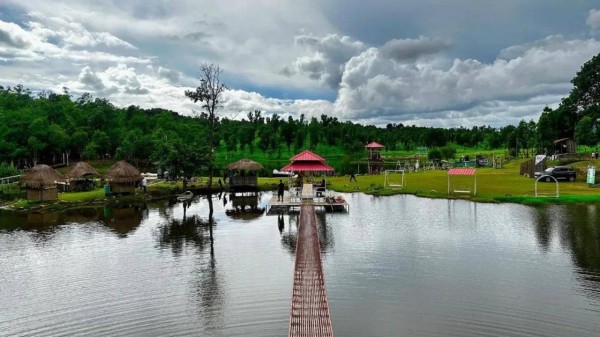
Thenzawl is a vibrant census town and a hub for traditional Mizo handloom weaving. Its cleanliness is a point of pride for the residents.
What to see: Thenzawl is the gateway to the stunning Vantawng Falls, Mizoram’s highest waterfall. Other attractions include a deer park, Dilpui lake and the unique Tuirihiau Falls.
What to do: Visitors can learn about the local weaving industry and buy authentic handloom products. Explore the scenic surroundings and lush greenery.
Best time to visit: The weather is warm year-round, with the dry season (October to May) offering the clearest skies.
5. Rangsapara, Assam
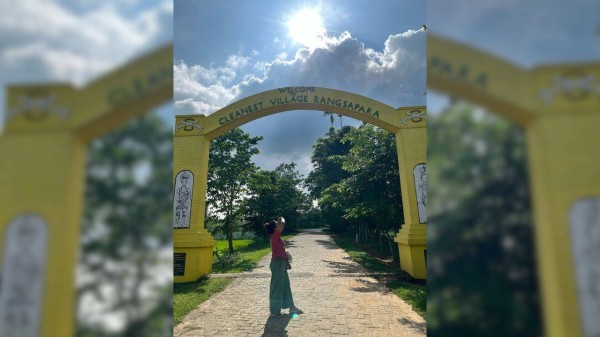
Rangsapara in Goalpara district is widely known as the cleanest village in Assam due to its community-led sanitation efforts. The Garo tribal community, who inhabit the village, emphasises cleanliness in and around their households.
What to see: The village is nestled amid scenic hillocks, paddy fields, and rubber trees. You can observe the community’s sustainable practices firsthand, such as their system for managing solid and liquid waste.
What to do: Visitors can learn about the community’s environmental initiatives and enjoy the serene, pristine environment.
Best time to visit: October to March is the ideal time to visit, as the weather is cool and comfortable for sightseeing and village walks.
This is a bitter truth that India still has a lot to do about keeping most of the parts clean. Amidst this, these cleanest villages of Northeast India are a matter of pride as well as inspiration. Do visit these destinations to witness the way of life.