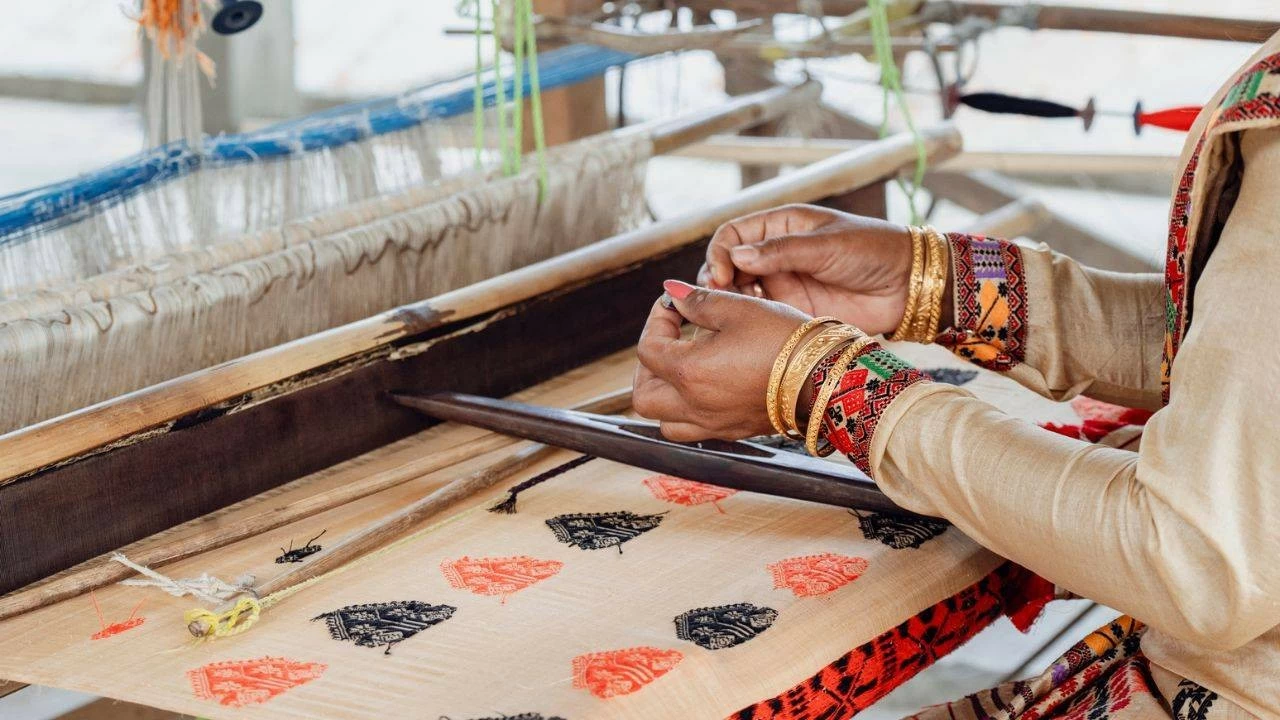
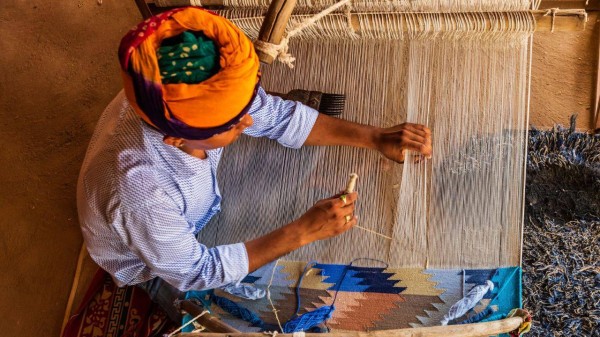
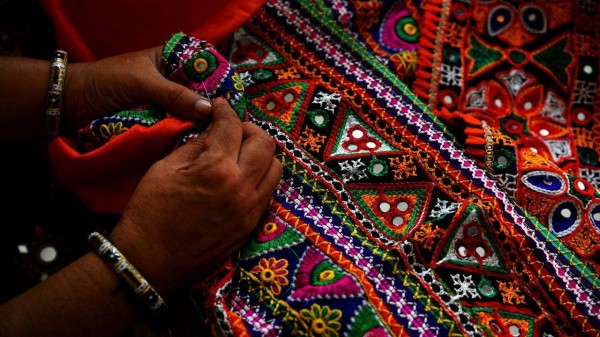
New Delhi: National Handloom Day is celebrated every year on August 7 since 2015 in honour of the Swadeshi Movement, launched on the same date in 1905. The movement began in defiance of the systematic dismantling of the Indian handloom industries by the British during the colonial era. They imposed high taxes on Indian textiles, manipulated trade and offered subsidies to British manufacturers, boosting their textile manufacturing and suppressing Indian competition. The day also celebrates weavers’ contribution and highlights the importance of handmade textiles in preserving India’s heritage.
The Indian handloom industry, one of the world’s most vibrant and oldest cottage industries, has a legacy of thousands of years. Reflecting rich cultural identity, skilled craftsmanship, and rural economy, the industry holds a significant global presence and contributes well to the nation’s GDP and export market. It’s a major employment provider. The first celebration was inaugurated by Prime Minister Narendra Modi in Chennai. Here’s everything you need to know about National Handloom Day 2025.
National Handloom Day 2025 theme
The National Handloom Day 2025 theme is – Dream it, do it. Many college students, fashion designers, engineers, researchers, and weavers will participate in the event.
National Handloom Day 2025 significance
- Weavers get national recognition in the form of awards, certificates, a shawl and a certificate of recognition.
- They get monetary support from the government in the form of prize money and gold coins.
- The initiative enables practical problem-solving as well as builds valuable networks to ensure long-term impact on the handloom ecosystem.
- The exceptional craftsmanship, dedication, and innovation of weavers are celebrated.
Position of India’s handloom industry on global map in 2025
The Indian handloom industry holds a crucial position globally and leads in the Asia Pacific region, owing to rising demand for sustainable and culturally significant textiles. Fortune Business Insights projects a market value of USD 8.95 billion in 2025.
The global handloom products market is projected to reach USD 8.95 billion in 2025, with a strong CAGR expected between 2025 and 2032.
The Asia Pacific region, mainly driven by India, Bangladesh, and Indonesia, held a 55.77 per cent market share in 2024.
Rising demand for sustainability
Fortune Business Insights shows the growing consumer preference for sustainable and ethically produced goods. It’s the key driver for the handloom industry’s growth.
Technological advancements
Initiatives like Bharat Tex 2025, focusing on technology integration and sustainable practices, are further strengthening India’s position as a global textile hub.
The Indian government is actively promoting the handloom sector through multiple schemes and initiatives, such as the Farm to Fibre, Fabric, Fashion, and Foreign Markets vision and the PM MITRA Parks Scheme, aiming to modernise infrastructure and foster innovation.
The industry is increasingly emphasising sustainability, with a focus on eco-friendly materials and ethical production practices.
The US, UK, Italy, Germany, and Spain are important importers of Indian handloom goods.