Sign In
By signing in or creating an account, you agree with Associated Broadcasting Company's Terms & Conditions and Privacy Policy.
By signing in or creating an account, you agree with Associated Broadcasting Company's Terms & Conditions and Privacy Policy.
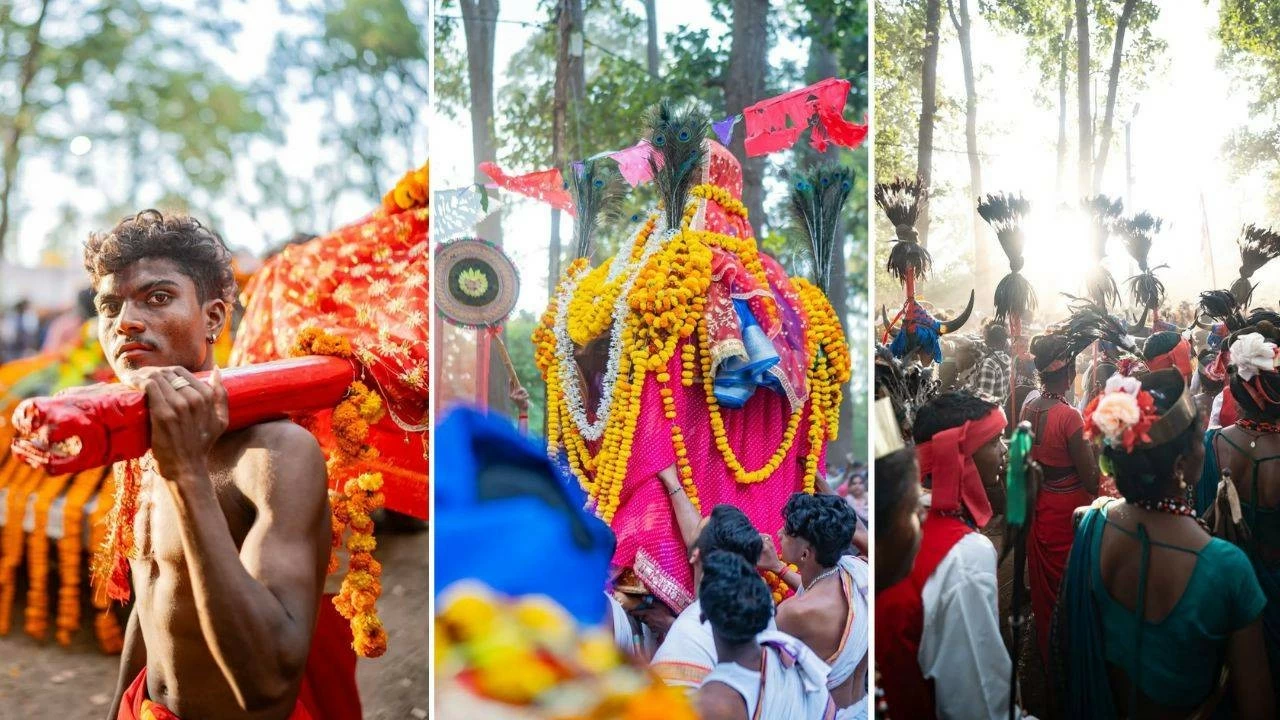

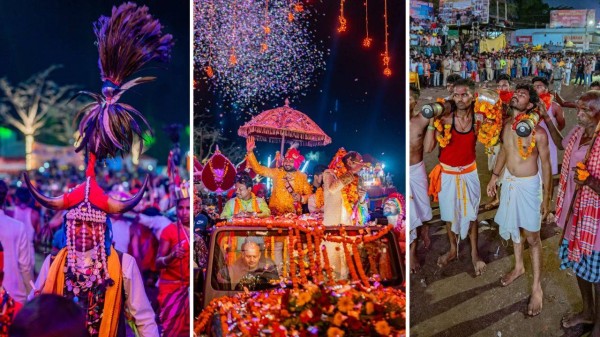
New Delhi: Bastar Dussehra, celebrated in the Bastar region of Chhattisgarh, transcends the ordinary with a series of unique rituals, colourful processions, and vibrant cultural performances. This 75-day festival, unlike any other Dussehra in India, honours Goddess Danteshwari and has been celebrated for more than 600 years. Popular as one of the longest festivals in the world, this festivity is a reminder of the rich history, traditions, and beliefs of the local tribes and the ruling dynasties of the past. Bastar Dussehra 2025 began with Hareli Amavasya in July and will culminate on October 2.
This festival, also organised by Bastar’s Royal Family rather than the local or state government, serves as a major gathering for more than 75 tribal communities in Bastar, bringing together deities from many villages. Interestingly, effigies of Ravana, Kumbhakarna and Meghnad aren’t burnt here. Let’s delve deeper into Bastar Dussehra’s rich history and the rituals that have been passed down through generations.

The festival begins and ends with rituals dedicated to Maa Danteshwari, the presiding deity of the region. The festival’s history can be traced back to the 10th century when the Ganga dynasty’s Rajputs ruled the region. The festival evolved, absorbing influences from the Naga and Kaktiya dynasties.
In the 15th century, Raja Purushottam Dev of the Kaktiya dynasty played a crucial role in shaping the festival. He introduced the tradition of building grand chariots for the festival. The chariot procession, known as Rath Parichalan, is still the most iconic event of Bastar Dussehra in today’s time.
Since then, the celebration has included a blend of tribal and royal rituals.
During the Bastar Dussehra festival, devotees follow many unique rituals, such as the Kaachangudi ritual to the Jogi Bithai. During the celebration, different group plays distinct roles such as constructing the massive chariot, supplying the ropes, and pulling it through Jagdalpur's streets. From Pata Jatra, and Nisha Jatra, to Baahar Raini and Bhitar Raini rath processions, each ritual is designed to engage the entire community. Here is the list of a few of the rituals.
1. Pat Jatra ritual
The festival begins with the sacred Pat Jatra ritual, marking the beginning of the celebrations. It is a ceremony to honour the forest, from which the materials for the festival's chariot are derived.
2. Vijay rath parikrama
In this ritual, Goddess Danteshwari is placed on the flower-decorated chariot, symbolising royalty and protection of the deity as she is taken around the city for eight days. This ritual is called the Vijay Rath Parikrama. Before being pulled around by the people, the chariot is given a gun salute by the Bastar Police.
3. Muria Durbar ritual
A royal assembly of tribal chiefs and the Maharaja of Bastar, celebrating tribal unity and tradition.
4. Kaachangudi ritual
The Kaachangudi ritual involves a symbolic swinging of a young girl on sharp thorns or a swinging frame to seek permission from the goddess for the festival. Her permission symbolises social harmony and unity.
5. Rani rath parikrama
It is a special chariot procession taken out in honour of the queen, featuring vibrant cultural performances.
6. Jogi Bithai ritual
In the Jogi Bithai ritual, a young man from the Halba tribe observes a fast for nine days when he does not even take water. Its goal is to ensure a peaceful and uninterrupted Dussehra festival.
7. Nisha Jatra ritual
It is a unique, midnight devotional procession held as part of the Bastar Dussehra festival, where the palanquin carrying Goddess Danteshwari is brought to a designated place for sacrifices and offerings to protect the kingdom.
8. Bahar Raini ritual
It is a ceremonial procession where tribal communities, such as the Madiyas, bring the idol of Goddess Danteshwari's chatra or umbrella from the Madiyav, a temporary sacred space, back to the main temple.
These unique rituals and events reflect the deep spiritual and cultural roots of Bastar, making the Dussehra festival a must-visit for anyone interested in India’s rich traditions.