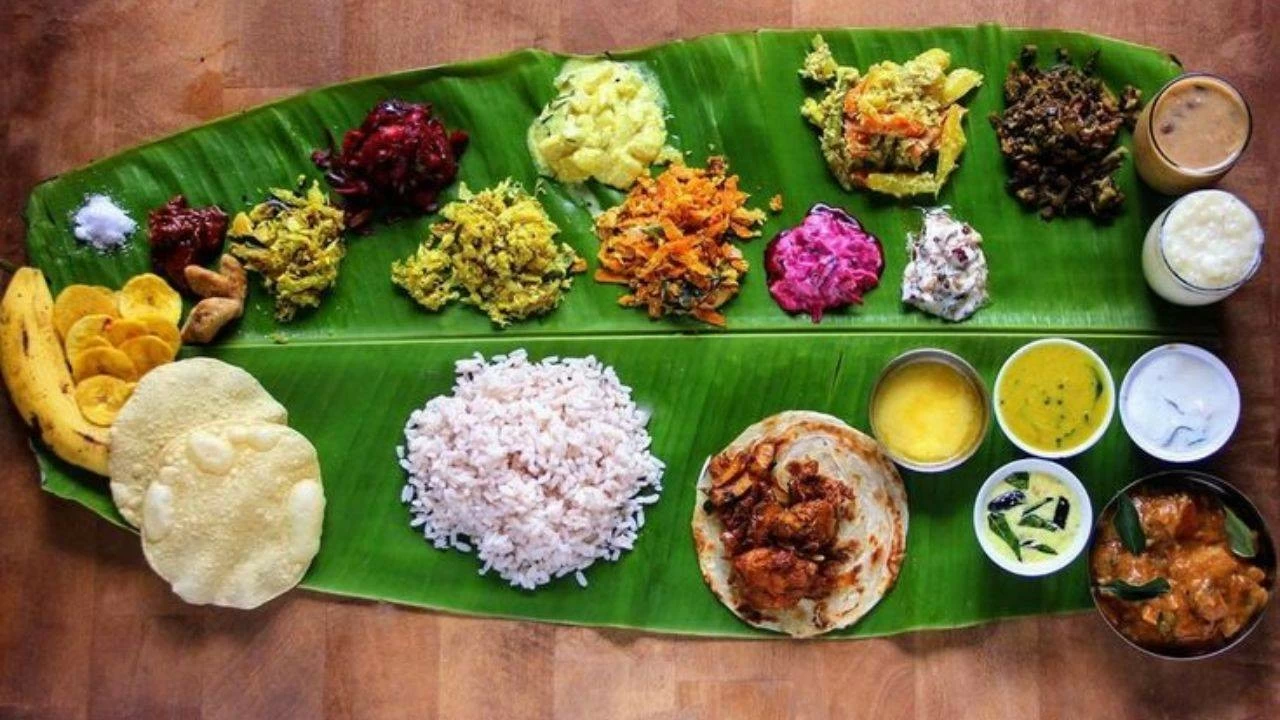
New Delhi: Onam, the harvest festival, is one of the most popular celebrations in Kerala. Onam preparations and celebrations continue for ten days, and this year the festival will begin on August 26 till September 5. Malayalis around the world observe the harvest festival and the return of the legendary King Mahabali by organising a grand feast, also known as Onam Sadhya. It is the celebration of diversity and cultural heritage through food. Typically served at lunch on a banana leaf, this vegetarian feast includes parboiled red rice, multiple side dishes, savoury items, pickles, and desserts.
A platter of Onam Sadhya has six tastes such as sweet, sour, salty, bitter, pungent, and astringent. Traditionally, over two dozen vegetarian dishes are made for this grand feast. Preparations for this auspicious occasion generally begin a few days in advance. This lavish feast presents an astonishing line-up of 26 dishes, each meticulously prepared, maintaining a balance.
26 items of Onam Sadhya
Here is a list of the 26 dishes typically served during the Onam Sadhya.
1. Sambar: A tangy lentil stew with vegetables like drumsticks, okra, pumpkin, carrots, eggplants, and tomatoes.
2. Parippu Curry: A flavourful lentil curry.
3. Ghee: Clarified butter
4. Pappadam: Crispy lentil wafers.
5. Avial: A mix of vegetables in a coconut and yoghurt base.
6. Thorans: Stir-fried vegetables with coconut and spices.
7. Kalan: A yoghurt-based curry with vegetables and coconut.
8. Olan: A mild curry with ash gourd and coconut milk.
9. Erissery: A dish made with pumpkin, beans, and spices.
10. Pulissery: A tangy yoghurt-based curry with vegetables.
11. Inji Curry: A ginger chutney.
12. Rasam: A spicy, tangy soup made with tamarind.
13. Moru Curry: A buttermilk curry with spices.
14. Pachadi: A sweet and sour yoghurt-based dish with vegetables or fruits.
15. Kootu Curry: A mix of vegetables with roasted coconut and spices.
16. Banana: A whole ripe banana is served.
17. Payasams: Various sweet dishes made with milk, jaggery, and rice.
- Palada Payasam: Made with rice and milk.
- Ada Pradhaman: Made with rice flakes, jaggery, and coconut milk.
- Semiya Payasam: Made with vermicelli, milk, and sugar.
18. Pazham: A whole banana.
19. Pulinkari: A tamarind-based curry.
20. Thoran: A dry vegetable dish with coconut.
21. Kichadi: A mildly spiced yoghurt-based dish.
22. Upperi: Sweet plantain chips.
23. Sharkara Upperi: Jaggery-coated banana chips.
25. Madhura Curry: Sweet curries like pineapple pachadi or ripe mango pachadi.
Art of serving Onam Sadhya
Serving Onam Sadhya is an art. It is interesting to know that each dish should be offered to the guest at the right moment. Traditionally, the tapering end of the banana leaf should point to the left of the seated guest. Every dish has its designated spot: dry dishes like papadum, salt and appetisers go on the left, pickles and chutneys in the top left, and rice in the centre of the lower half. Side dishes like aviyal, thoran, and kalan are served from the centre to the right. Curries are poured over the rice. A banana, typically at the bottom left, provides a refreshing finish.
Onam Sadhya is not just about savouring dishes with a range of flavours, but it is also about celebrating the abundance of food and paying gratitude to the Almighty. The traditional feast keeps alive the cultural values and diversity.