Sign In
By signing in or creating an account, you agree with Associated Broadcasting Company's Terms & Conditions and Privacy Policy.
By signing in or creating an account, you agree with Associated Broadcasting Company's Terms & Conditions and Privacy Policy.
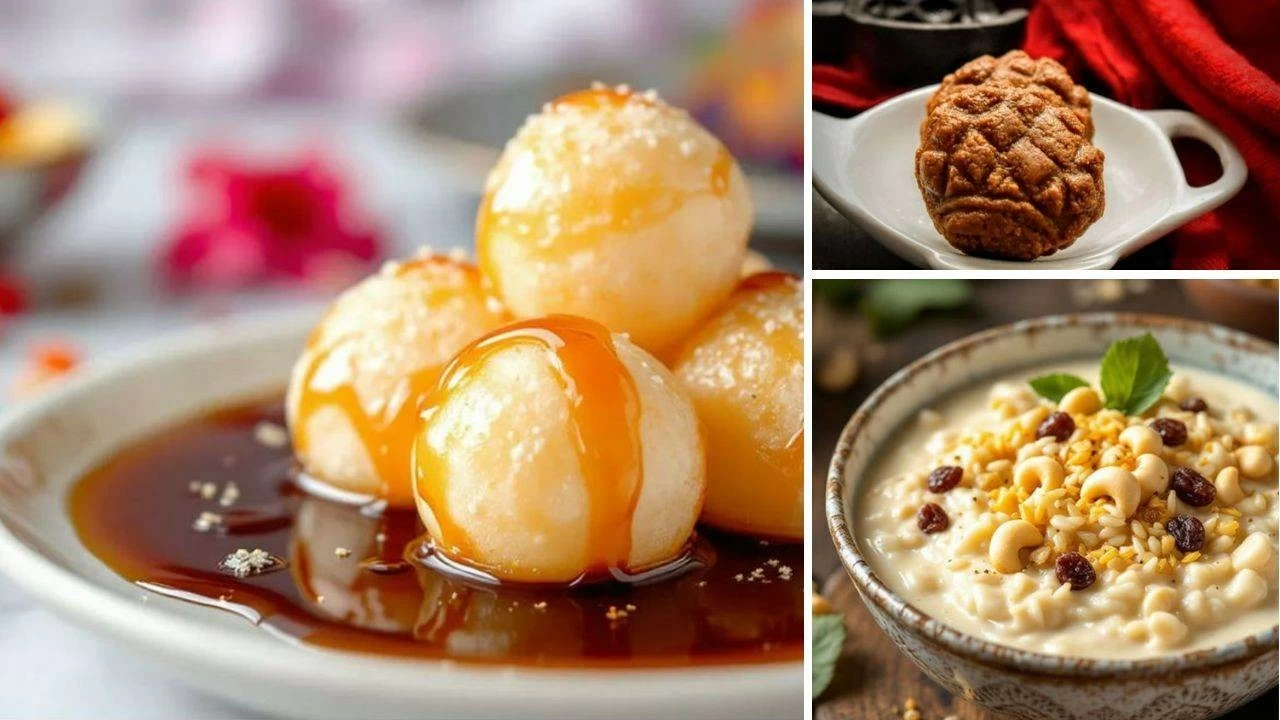


New Delhi: Jaggery, also popularly known as gur in many parts of India, is an unrefined, traditional sweetener made from concentrated sugarcane juice or palm sap. It is considered a healthier option to refined sugar because it contains essential nutrients like iron, magnesium, and potassium, and is used in various sweet and savoury dishes. A sweetener that has been used in cooking since time immemorial, jaggery has obtained the status of being a kind of hero ingredient. Hence, this is no surprise that it’s popular, particularly in winter.
But among the many varieties of jaggery, nolen gur or date palm sap jaggery is one of the favourites among many, particularly Bengalis. Once the sap is produced by the plant, it is reduced over a fire for hours to achieve different consistencies of the jaggery, such as liquid, grainy and solid. It is known for its distinctive woody, nutty aroma and flavour. Let’s explore more about this sweet, the important ingredient in many Bengali desserts.
The production of nolen gur has deep historical roots in the Bengal region, tracing back to the 4th century BC. It was during this time that a community known as the Siulis lived in the area of Pundra Bardhan, now called the Bogra district. The Siulis made their living by climbing tall date palm trees at night to tap the flowering clusters. They would hang earthen containers from the branches to collect the sweet sap as it flowed out. This sap was then boiled down to produce jaggery. Gradually, the Pundra Bardhan region became renowned as Gour, meaning the place of jaggery, owing to the high-quality jaggery.
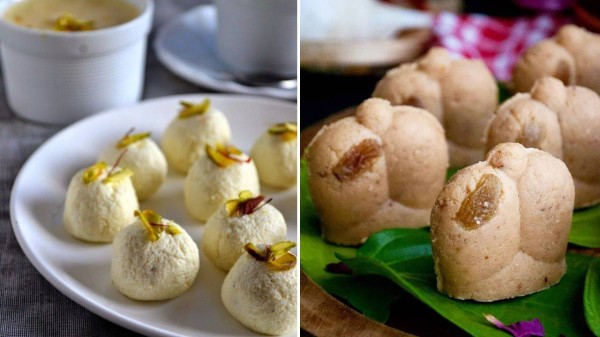
Nolen gur is an emotion that captures the essence of Bengal’s winter, and its rich aroma, along with earthy sweetness, adds warmth to every festive table. So, when winter arrives, every bite of a nolen gur dessert isn’t just indulgence, it’s tradition, nostalgia, and a taste of Bengal’s sweetest season.