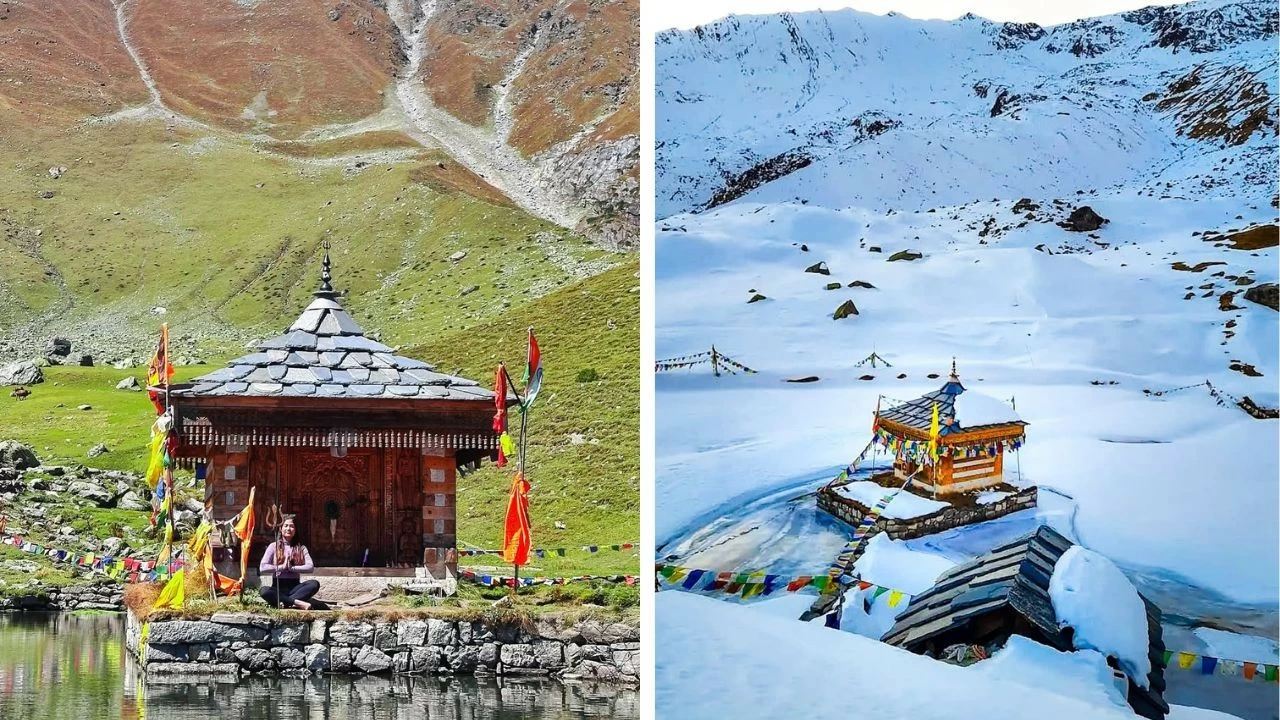
New Delhi: High in the remote Rora Valley of Himachal Pradesh’s Kinnaur district, winter has transformed one of India’s most sacred and lesser-known Himalayan sites into a breathtaking spectacle. Recent visuals showing the world’s highest Krishna Temple near Yulla Kanda Lake completely wrapped in fresh snow have drawn widespread attention. Situated at an altitude of nearly 13,000 feet, the temple and its surrounding landscape appear almost frozen in time as the valley disappears under a thick white blanket.
While the snow-covered shrine looks magical during December, this seasonal beauty comes with strict limitations. The trekking route to Yulla Kanda Lake and the Krishna Temple remains inaccessible from November to April due to heavy snowfall and extreme weather conditions. The visuals, though stunning, offer a rare winter glimpse rather than a travel invitation, highlighting the contrast between the region’s spiritual allure and its challenging terrain.
Where Rora Valley and Yulla Kanda are located
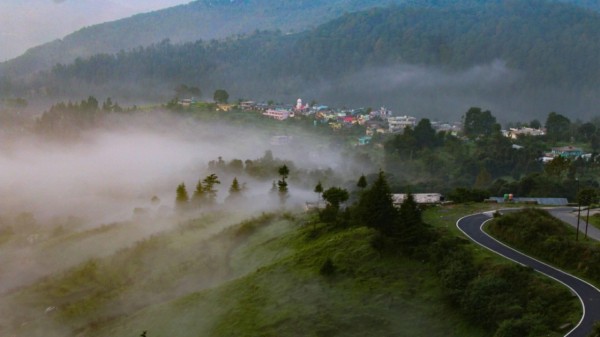
Rora Valley lies in Kinnaur district, one of Himachal Pradesh’s most rugged and culturally rich regions. The valley is known for its dramatic mountain terrain, alpine meadows, and sparse settlements that retain traditional Himalayan lifestyles.
Yulla Kanda Lake and the Krishna Temple are located near Yulla village, around 20 km from Reckong Peo, the district headquarters. Unlike popular treks such as Triund, Hampta Pass, or Kheerganga, Yulla Kanda remains relatively unexplored, adding to its untouched character.
World’s highest Krishna temple at 13,000 feet
At the heart of Yulla Kanda lies a modest yet spiritually significant Krishna Temple, believed to be the highest shrine dedicated to Lord Krishna anywhere in the world. According to local legends, the temple was built to honour Lord Krishna’s divine presence in the region.
The shrine stands beside a serene glacial lake, creating a rare blend of spirituality and natural beauty. Built in traditional Himachali architectural style, the temple merges seamlessly with its surroundings. Pilgrims and trekkers usually visit during the warmer months, especially around Janmashtami, when the trek becomes a sacred journey rather than just an adventure.
Why winter visuals look so striking
Winter snowfall dramatically alters the landscape of Rora Valley and Yulla Kanda. Snow covers alpine meadows, freezes streams, and softens the rugged mountain contours, creating postcard-like scenes rarely seen by visitors.
Key winter visual highlights
- Snow-covered shrine and frozen lake surfaces
- Whitewashed meadows stretching across the valley
- Peaks and ridgelines blending into the winter sky
Important winter travel disclaimer
The Yulla Kanda Lake and the world’s highest Krishna Temple remain inaccessible between November and April due to heavy snowfall and closed trekking routes.
Winter visuals should not be mistaken for a sign of tourist access or trekking feasibility. High-altitude conditions during this period include deep snow, avalanche risk, extreme cold, and lack of facilities.
What Rora Valley offers in December
While the Yulla Kanda trek itself is closed in winter, parts of the Rora Valley continue to draw interest for limited, weather-dependent experiences.
Things to do at Rora Valley
Snow photography: Capturing frozen landscapes, waterfalls, and snow-clad peaks
Nature walks: Short, low-altitude walks near villages, depending on conditions.
Quiet meditation: The valley’s isolation makes it ideal for reflection and solitude
Scenic drives: Sections of the Hindustan-Tibet Highway (NH-22) often remain open, offering views of the Sutlej River and surrounding mountains
How to reach Yulla Kanda (summer access only)
Reaching Yulla Kanda involves road travel followed by trekking and is feasible only between May and October.
By air: Shimla Airport (Jubbarhatti) is the nearest airport, approximately 235 km from Kinnaur.
By rail: Kalka Railway Station, around 270 km away, connects to Shimla by road or the Kalka-Shimla toy train.
By road: Reckong Peo is well-connected to Shimla, Chandigarh, and Delhi. From Reckong Peo, Yulla village serves as the trek base.
Best time to visit Yulla Kanda
May-June: Green meadows and moderate temperatures
July-September: Occasional rain, enhanced greenery
October: Clear skies and crisp air before snowfall
November to April remains off-limits due to snow.
The snow-covered visuals of the world’s highest Krishna Temple near Yulla Kanda offer a rare and striking glimpse into Himachal Pradesh’s high-altitude spirituality. For travellers and pilgrims, the images serve as a reminder of the Himalayas’ beauty, power, and the importance of respecting nature’s limits.