Sign In
By signing in or creating an account, you agree with Associated Broadcasting Company's Terms & Conditions and Privacy Policy.
By signing in or creating an account, you agree with Associated Broadcasting Company's Terms & Conditions and Privacy Policy.
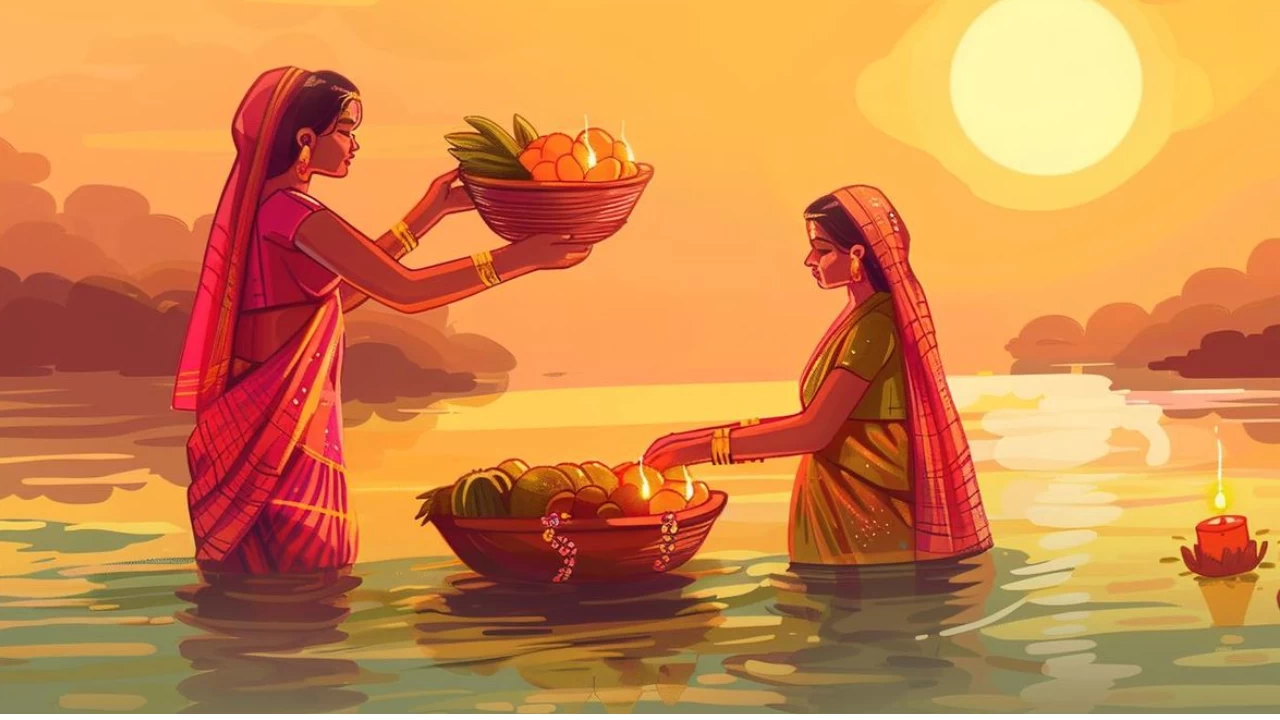
New Delhi: Chhath Puja, one of the most sacred and heartfelt festivals of India, is a celebration of gratitude, devotion, and life itself. Observed with deep reverence in Bihar, Jharkhand, Uttar Pradesh, and Nepal, this festival honours Lord Surya, the Hindu Sun God, and Chhathi Maiya, the goddess of protection and nurturing energy.
The essence of Chhath Puja lies not just in rituals, but in the purity of the heart and devotion with which offerings, or samagri, are prepared. Each item carries symbolic meaning and serves as a bridge between the devotee and the divine.
This guide offers a complete list of samagri for Chhath Puja and explains the significance behind each, helping devotees perform the ritual with full understanding and spiritual intention.
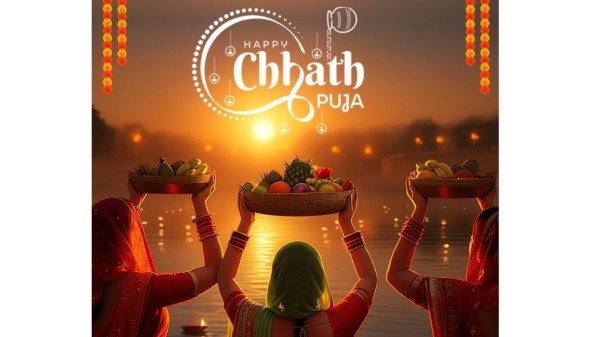
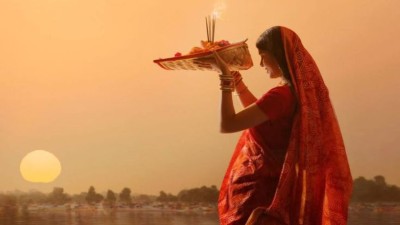
Chhath Puja is a festival rooted in gratitude and natural harmony. It is a time to honor Lord Surya for sustaining life, energy, and health, and to seek the blessings of Chhathi Maiya for protection and well-being. Devotees observe rigorous fasting, offer water to the rising and setting sun, and engage in prayers that cleanse the body, mind, and soul.
The festival reminds us that life’s abundance comes from the harmony between nature and devotion. Every offering in Chhath Puja is a heartfelt expression of respect, gratitude, and hope for prosperity, health, and emotional balance.
These timings are crucial for performing the Arghya, or water offering to the Sun, at the most auspicious moments. Following these ensures that the spiritual energy of the ritual is fully aligned.
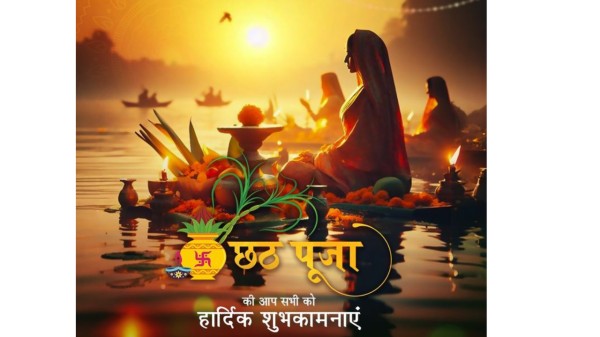
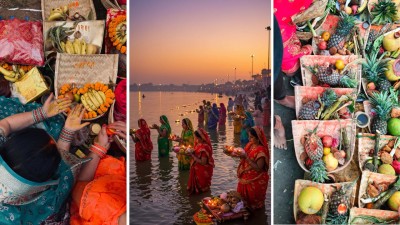
Chhath Puja, a festival of devotion and gratitude, is observed over four days with deep reverence to Lord Surya (Sun God) and Chhathi Maiya. Every item offered in the puja, known as samagri, carries symbolic significance. Here is a detailed guide to essential puja items for each day of Chhath Puja, along with their spiritual meanings.
Day 1: Nahay Khay (First Day Ritual)
The first day marks the beginning of the festival with purification through bathing and offering simple but meaningful items.
Essential Samagri:
Day 2: Kharna (Second Day Ritual)
The second day is observed with fasting and preparation of prasad, symbolizing devotion and endurance.
Essential Samagri:
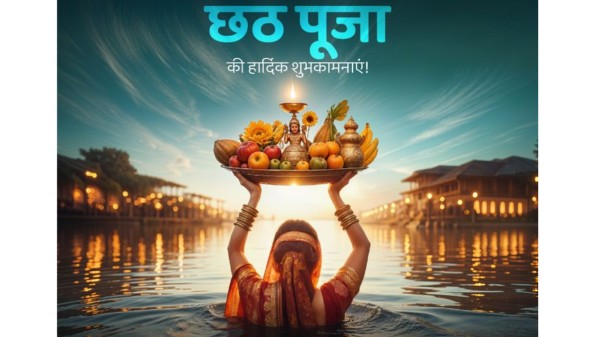
Day 3: Sandhya Arghya (Third Day Ritual)
The third day involves offering Arghya to the setting Sun, symbolizing gratitude and devotion. The samagri is mostly similar to Kharna, with emphasis on arrangement and presentation for the Sun.
Essential Samagri:
The focus is on devotion and offering everything with a pure heart.
Day 4: Usha Arghya (Fourth Day Ritual)
The final day is dedicated to offering Arghya to the rising Sun, marking the culmination of Chhath Puja. The samagri is almost identical to Day 3, emphasizing purity, devotion, and completion of the ritual.
Essential Samagri:
Every offering is made with a pure heart and devotion, ensuring blessings from Surya Dev and Chhathi Maiya.
Important Notes
Chhath Puja is more than a ritual—it is a celebration of gratitude, devotion, and human connection with nature. Every offering, from fruits to grains to the sacred thekua, carries meaning, blessing, and spiritual energy.
Performing the puja with sincerity, mindfulness, and understanding of the samagri ensures that the festival not only honors the Lord Surya and Chhathi Maiya but also brings health, prosperity, and harmony into the lives of devotees.
This Chhath Puja, prepare your offerings with care, devotion, and heartfelt intent, and experience the profound spiritual energy of this sacred festival.