Sign In
By signing in or creating an account, you agree with Associated Broadcasting Company's Terms & Conditions and Privacy Policy.
By signing in or creating an account, you agree with Associated Broadcasting Company's Terms & Conditions and Privacy Policy.
New Delhi: Diwali is often called the festival of lights, a time when homes sparkle with diyas, streets glow with decorations, and hearts brim with joy. But beyond the celebrations and sweets lies a deeper, timeless story—one that spans five days, each with its own meaning, rituals, and legends. Understanding these hidden stories allows us not just to celebrate Diwali but to connect with its spirit, wisdom, and cultural depth.
Let’s journey through the five days of Diwali, uncovering the fascinating stories, sacred rituals, and mantras that make this festival so enduring.
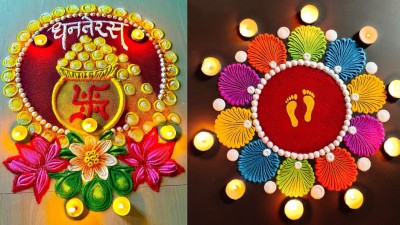
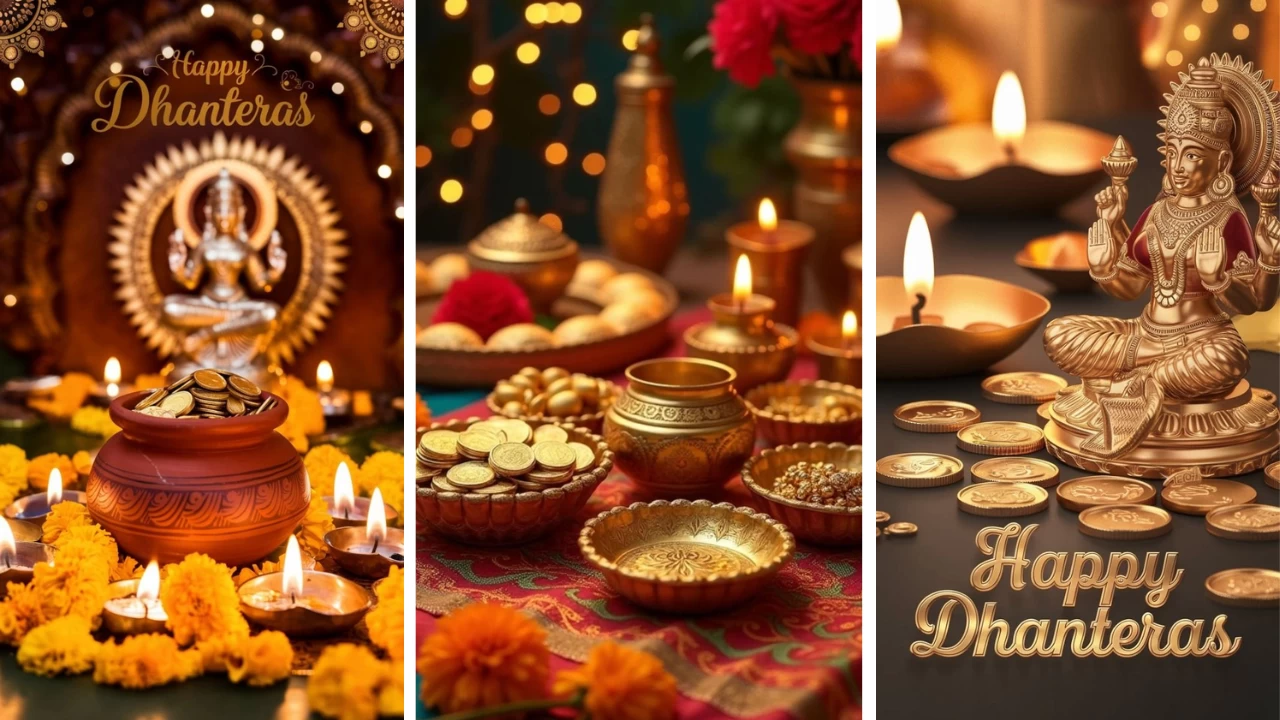
Dhanteras, the first day of Diwali, falls on the thirteenth day of Krishna Paksha in Kartik. Its name combines Dhan, meaning wealth, and Teras, the thirteenth day. This day is a celebration of prosperity, well-being, and auspicious beginnings.
The Hidden Stories
According to ancient scriptures, during the Samudra Manthan (the churning of the ocean), Lord Dhanvantari, the physician of the gods, emerged holding the Amrit Kalasha, the pot of immortality. This story links Dhanteras not just to wealth, but to health and life itself.
Another tale tells of a prince whose horoscope predicted death by snakebite. His clever wife kept him awake and lit lamps throughout the night. When Yama, the God of Death, arrived, the brilliance of the lamps and the shimmer of gold blinded him, saving the prince. This legend explains the ritual of lighting lamps and the belief in protective blessings.
Rituals and Practices
Short Mantras
The second day, known as Naraka Chaturdashi or Choti Diwali, celebrates the victory of Lord Krishna over the demon king Narakasura, who had terrorized kingdoms and imprisoned countless women. Krishna’s triumph, aided by his consort Satyabhama, symbolizes the eternal victory of righteousness over evil.
Rituals and Practices
Short Mantra
“Om Namo Bhagavate Vasudevaya” – Chant in honor of Lord Krishna’s victory over darkness.
The third day, simply called Diwali, is the most celebrated day, renowned for its luminous beauty and spiritual significance.
The Hidden Stories
Rituals and Practices
Short Mantras
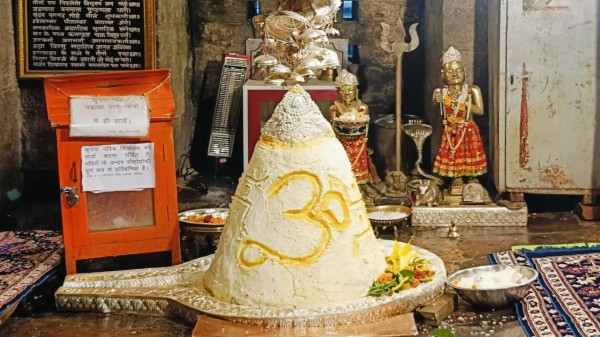
The fourth day, Govardhan Puja, honors Lord Krishna and the bounties of nature. Krishna guided the people of Vrindavan to worship Govardhan Hill rather than Lord Indra. When Indra sent torrential rains in anger, Krishna lifted the hill to protect the villagers and cattle.
Rituals and Practices
Short Mantra
“Om Devaya Namah, Om Govardhan Dharaya Vishnave Namah”
The fifth and final day, Bhai Dooj, is dedicated to the sacred bond between brothers and sisters. According to legend, Yamraj, the God of Death, visited his sister Yamuna. She welcomed him with aarti, tilak, and sweets, and he blessed her, promising long life to all brothers who receive a tilak from their sisters.
Rituals and Practices
Short Mantra
“Yamuna Deviya Sahita Yamrajaya Namah”
Each day of Diwali is more than lights, sweets, and fireworks. They teach us:
By understanding the hidden stories and rituals, Diwali transforms from a celebration into a significant festival, connecting us with history, spirituality, and human values.