Dehradun: The mountains of Uttarakhand are not only home to natural beauty but also to timeless legends. Among them, the story of the Pandavas from the Mahabharata has a special place.
Their deep connection with the Badri-Kedar region continues to inspire faith, culture, and tradition in Garhwal.
Pandavas in Garhwal
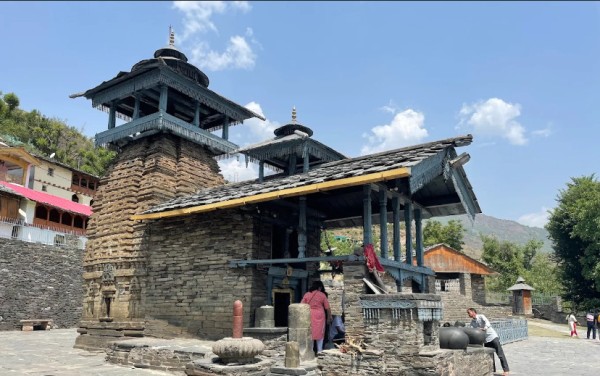
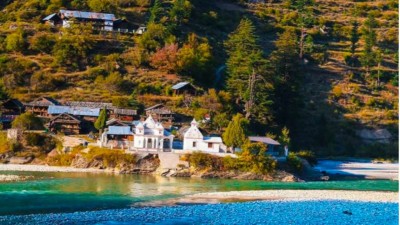
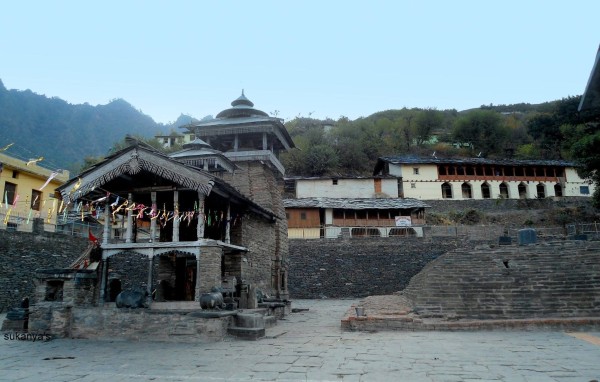
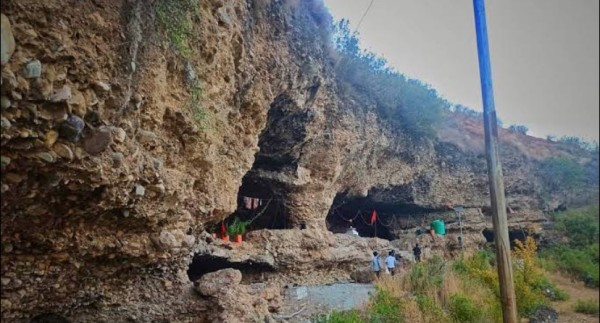
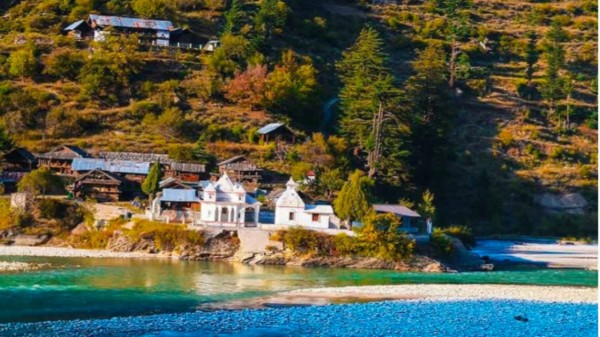
It is believed that the Pandavas spent considerable time in Garhwal, both before and after the Mahabharata war. Lakhamandal in the Yamuna Valley is one of the most important places linked to them. Here, Duryodhana built the Lakhagriha (house of wax) to burn the Pandavas and their mother Kunti alive. The Pandavas escaped and lived in the caves of Lakhamandal, which still exist today.
Seeking Refuge in Kedarnath
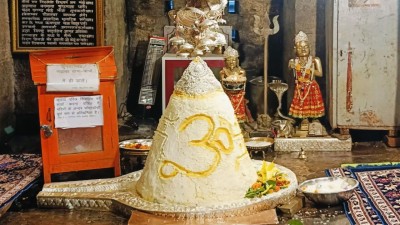
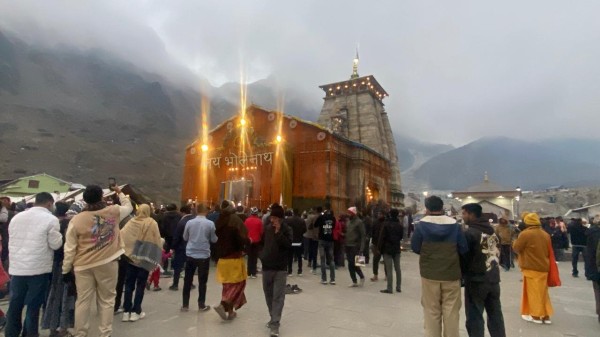
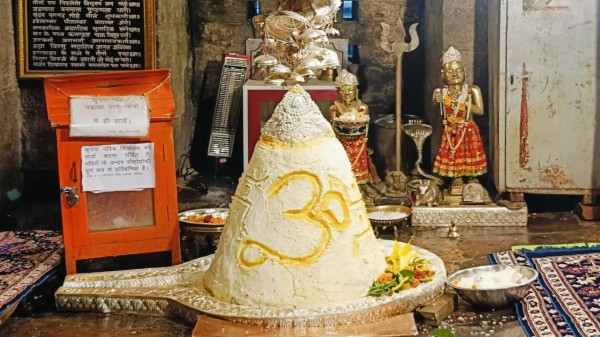
After the war, Maharishi Ved Vyas advised the Pandavas to seek refuge in Kedarnath to free themselves from the sins of killing their own clan. It is said that Lord Shiva appeared before them in the form of a buffalo. The Pandavas worshipped him at Kedarnath, Madhyameshwar, Tungnath, Rudranath, and Kalpeshwar—together known as the Panch Kedar temples.
Journey to Heaven
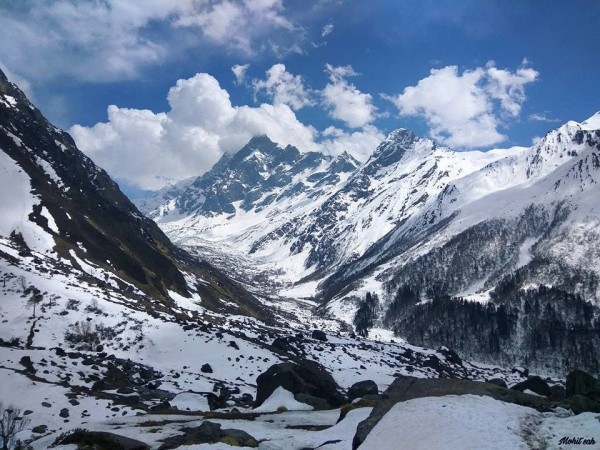
The Pandavas’ final journey also passed through Uttarakhand. Along with Draupadi, they set out for Swargarohini via Badrishpuri. Only Yudhishthira reached heaven in his physical form, while the others left their bodies at places like Bhima Bridge, Lakshmi Van, Sahastradhara, Chakratirtha, and Santopanth. These sites are still remembered as sacred spots in Garhwal.
Pandavas as Folk Deities
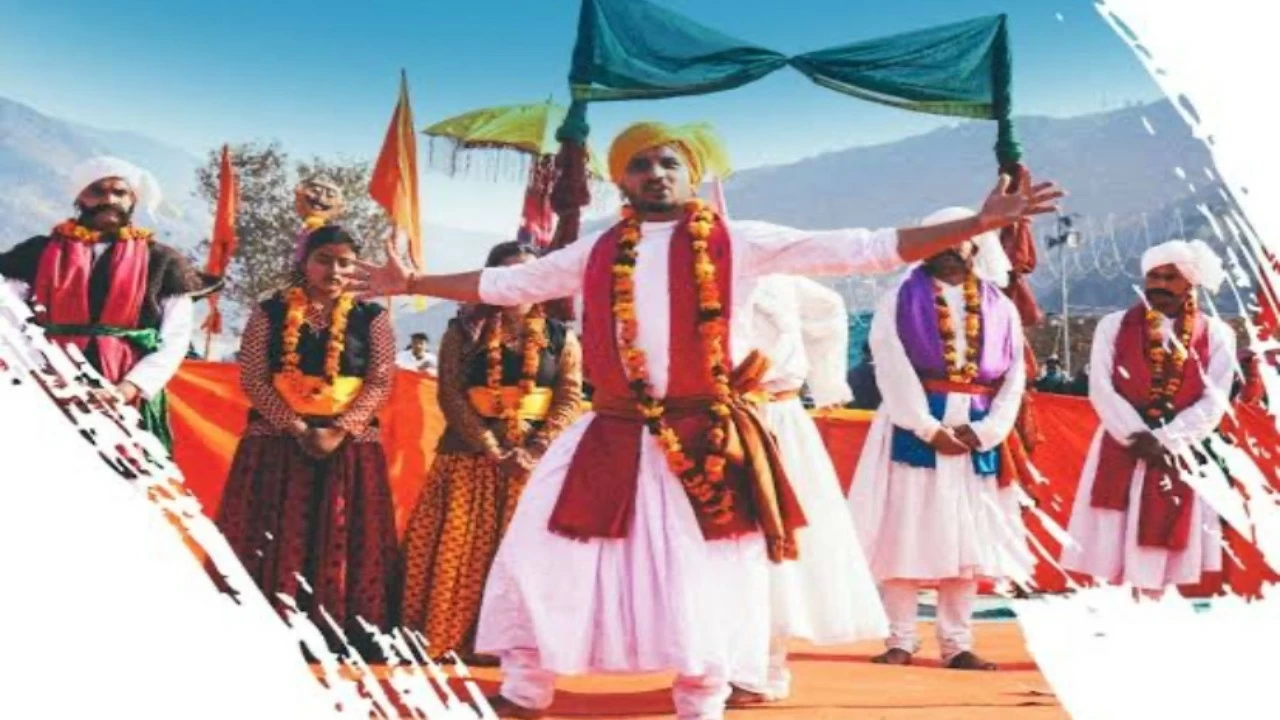
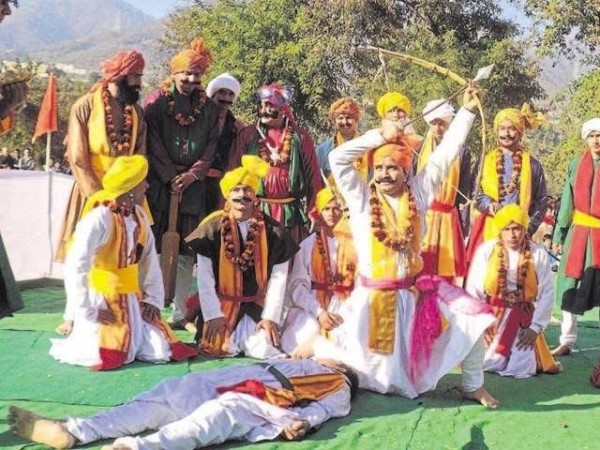
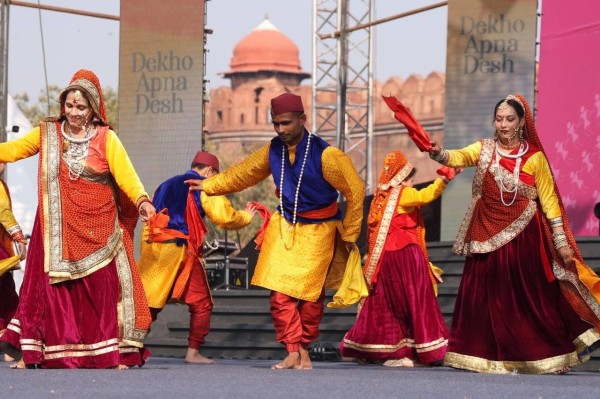
Because of their strong bond with the land, the Pandavas are worshipped as folk deities in Garhwal. Their stories are celebrated through the Pandava (Pandaun) dance, a unique folk tradition performed every winter. This dance is not just entertainment—it is a religious ritual, a cultural festival, and a way of keeping history alive.
Pandava Dance in Rudraprayag
The most vibrant Pandava dance is held in the Talla Nagpur region of Rudraprayag district between November and December. Farming is complete during this time, and villages come alive with celebrations. Migrants return home, locked houses open, and even married daughters come back to join their families.
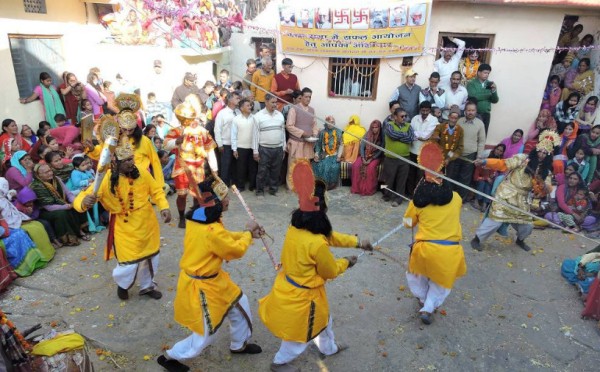
The dance takes place at the village’s Pandav Chowk (Pandaun Chaura). The Dhol-Damau, Uttarakhand’s traditional drum, plays a central role. As the drummer beats a special rhythm, villagers believe the Pandavas incarnate in chosen performers called Pandava Pashwas.
Rituals and Characters
The Pandava dance includes rituals like drawing arrows, bathing, and enacting famous battle formations such as Chakravyuha and Garuda Vyuha. Thirteen Pashwas perform, representing characters like Yudhishthira, Bhima, Arjuna, Nakula, Sahadeva, Draupadi, Kunti, Hanuman, and others. Each hero appears to a specific rhythm, and their incarnations are believed to occur only in certain families.
Dance, Song, and Drama
The Pandava dance is a mix of dance, song, and drama. It depicts the Pandavas’ lifestyle, humor, food habits, warfare, and struggles. The village Dholi, who knows Mahabharata stories, leads the performance with songs and dialogues. Elders also join in, adding rhythm and storytelling. Importantly, there is no fixed script—the drummer narrates according to his knowledge, making each performance unique.
Lakhamandal Festival
Every year, the Pandava Leela and dance festival is also held in Lakhamandal, reminding people of the Pandavas’ escape from the Lakhagriha. Hundreds of caves in the area are linked to their stay, making Lakhamandal a living heritage site.
The Pandavas’ connection with Uttarakhand is more than mythology—it is part of the region’s identity. Through temples, sacred sites, and the Pandava dance, their saga continues to inspire generations.