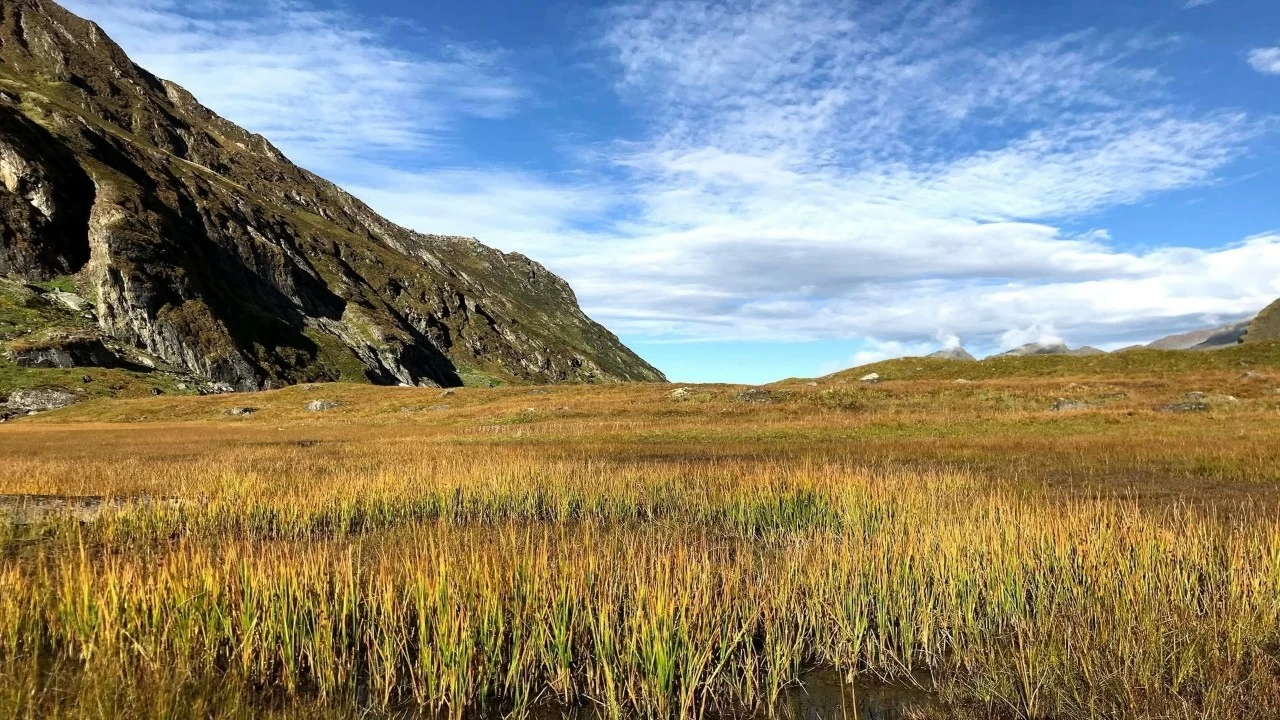
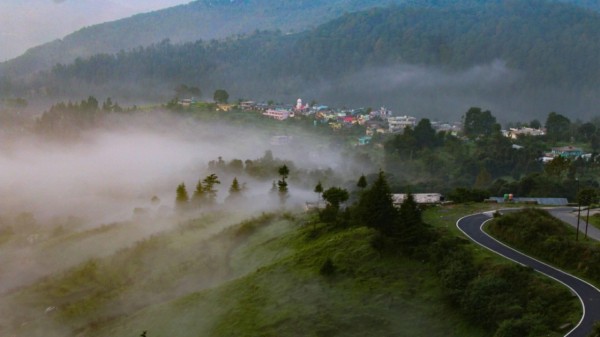
Rudraprayag: In the remote meadows of Pandav Sera, near Madmaheshwar in Uttarakhand, lies one of the most intriguing legends of the Himalayas. Locals say that during their exile, the Pandavas cultivated rice here.
Centuries later, the crop continues to sprout naturally, without human intervention, and after ripening, it mysteriously sinks back into the earth.
The self‑growing paddy
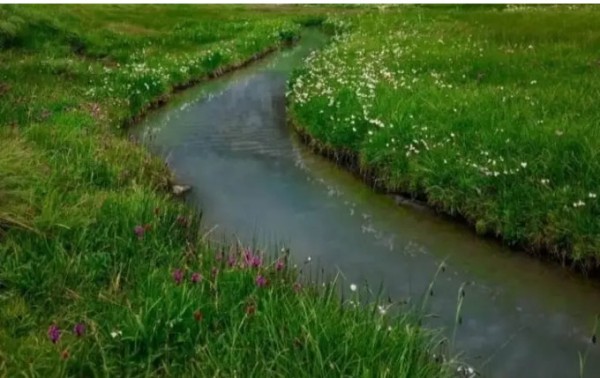
Unlike ordinary fields, Pandav Sera’s paddy does not require sowing or harvesting. Each year, stalks of rice appear on their own, grow to maturity, and then vanish into the soil. Villagers believe this is a divine gift, a sign of the Pandavas’ presence in the valley. For pilgrims and trekkers, it is a living miracle that connects mythology with the natural world.
The phenomenon has become the centerpiece of Pandav Sera’s identity. Tourists and devotees travel long distances to witness the crop, often timing their treks to coincide with its growth. “It is not just rice; it is faith sprouting from the soil,” says a local guide, explaining why the valley is revered as sacred ground.
Mythological roots
According to folklore, after glimpsing Lord Shiva’s back at Kedarnath, the Pandavas and Draupadi journeyed toward Badrinath. On the way, they stopped at Madmaheshwar and PandavSera. Here, they are said to have performed tarpan (ritual offerings) for their ancestors and cultivated rice to sustain themselves. The irrigation canal they built still flows through the valley, a silent testimony to their stay.
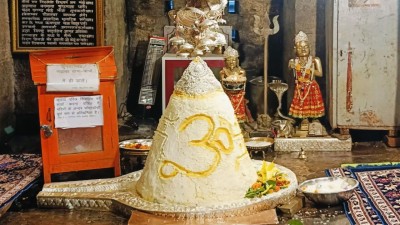
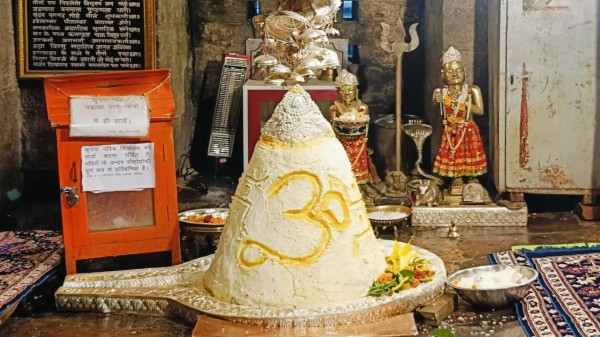
The weapons of the Pandavas are also worshipped at Pandav Sera, adding to the aura of sanctity. Together with the self‑growing paddy, these relics make the valley a rare blend of myth, ritual, and ecology.
A trek into legend
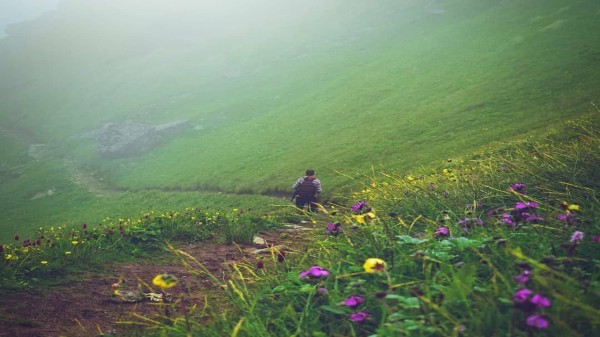
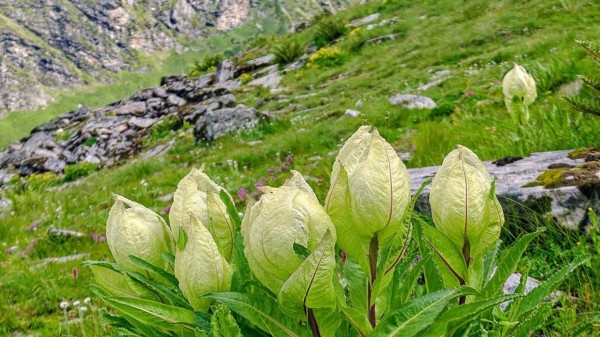
Reaching Pandav Sera is no easy feat. The trek from Madmaheshwar to Nandi Kund passes through alpine meadows, glaciers, and high ridges. Along the 25 km route, trekkers encounter wildflowers, including the revered Brahma Kamal, and panoramic views of Himalayan peaks. Yet for many, the sight of the paddy field is the true reward.
Local nature enthusiasts emphasize that the trek is not just about adventure but about experiencing a living legend. “When you see the rice growing without farmers, you feel the presence of the Pandavas,” says Abhishek Panwar, a trekker from Rudraprayag.
Worship of Pandava's weapon continued here
The valley’s traditions are carefully preserved. Worship of the Pandavas’ weapons continues, and rituals are performed to honor the mysterious rice. Pilgrims often carry stories of the crop back to their communities, keeping the legend alive across generations.
Spiritual significance
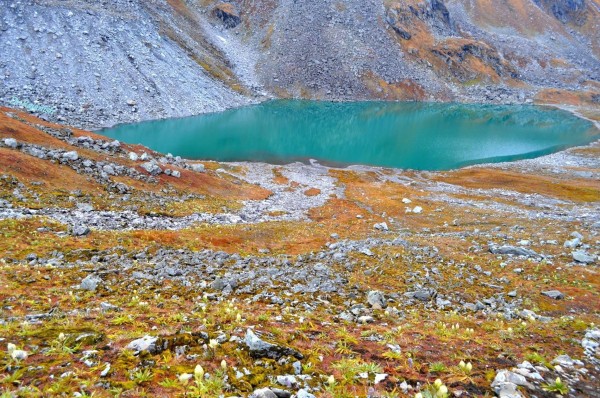
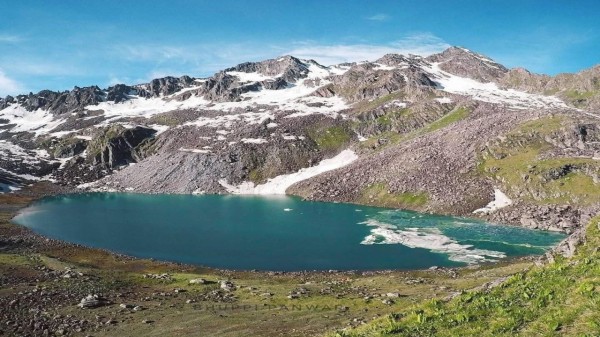
Just 5 km from Pandav Sera lies Nandi Kund, a sacred lake where bathing is believed to purify the conscience. Together, Pandav Sera and Nandi Kund form a spiritual circuit that attracts devotees seeking peace and fulfillment. Worship at the Goddess Nanda temple nearby is said to grant wishes, making the trek both a physical and spiritual journey.