Sign In
By signing in or creating an account, you agree with Associated Broadcasting Company's Terms & Conditions and Privacy Policy.
By signing in or creating an account, you agree with Associated Broadcasting Company's Terms & Conditions and Privacy Policy.
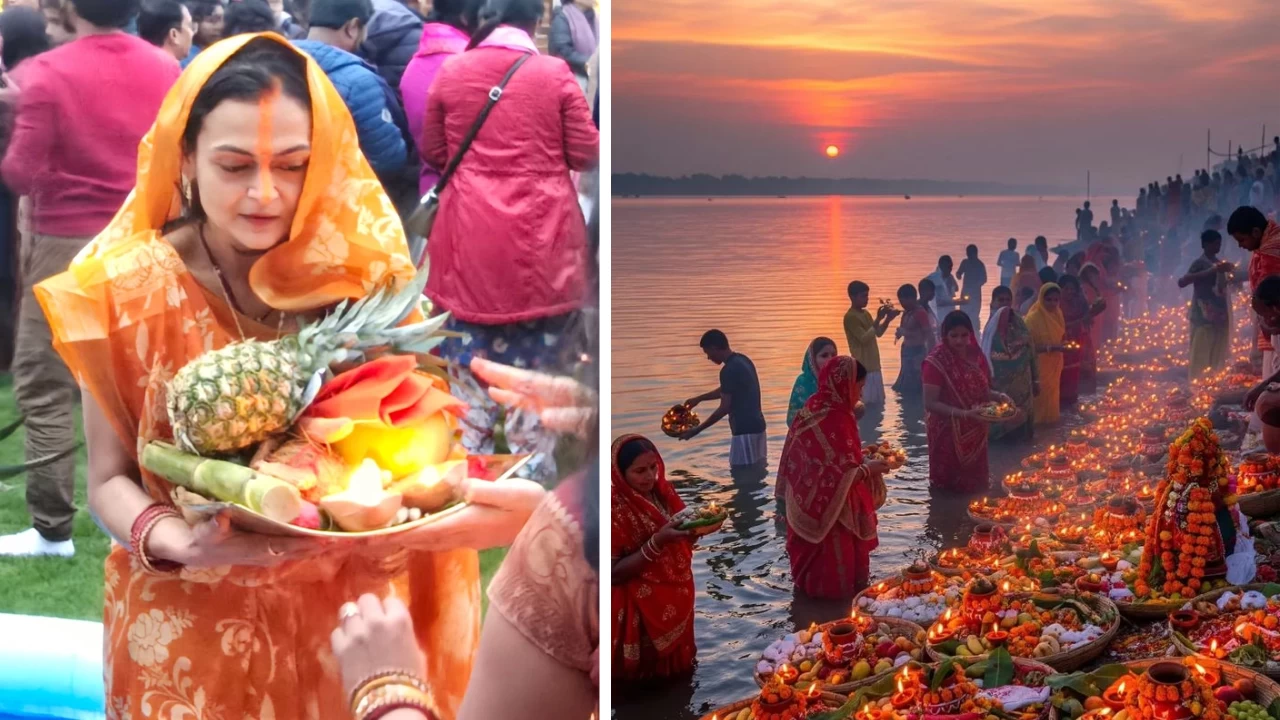
New Delhi: Chhath Puja 2025 is a sacred celebration of faith, purity, and gratitude toward Surya Dev and Chhathi Maiya. Among its four days of devotion, Sandhya Arghya, the evening offering to the setting Sun, holds the highest spiritual value. It represents the human bond with nature and honours the light that sustains every form of life.
When devotees gather by rivers and ponds, holding baskets filled with fruits, diyas, and offerings, the scene becomes a living expression of harmony. The ritual reminds us that every sunset is not an end but a moment to thank the universe for another day of life.
Sandhya Arghya marks the third day of Chhath Puja and is performed as the Sun descends. It is believed that the Sun’s evening rays carry healing power and divine grace. Offering water to these rays symbolizes humility, surrender, and the acknowledgment of cosmic balance.
Devotees pray to Chhathi Maiya, the goddess who blesses health, fertility, and protection for children. The ritual embodies patience, devotion, and emotional cleansing, creating a powerful connection between the devotee and divine nature.
Every element used during the offering carries symbolic importance. Each must be pure, natural, and prepared with faith.
The purity of offerings mirrors the purity of thought. Every item reflects gratitude and the devotee’s inner discipline.
Step 1 – Procession to the Ghat
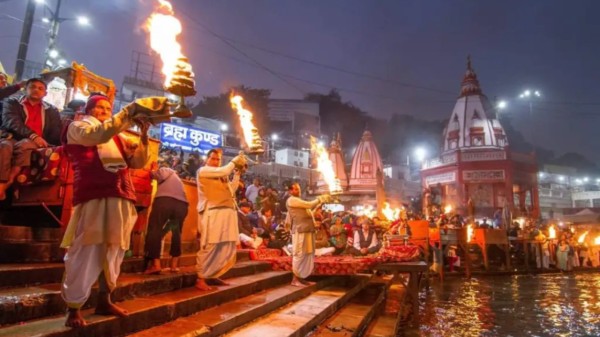
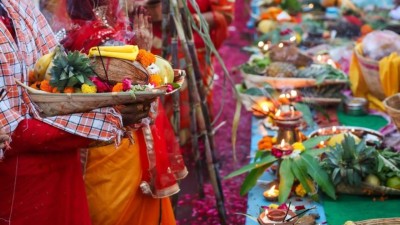
As the evening begins, devotees, dressed in traditional clothes, walk toward the ghat singing Chhathi Maiya ke geet. The air fills with devotion and rhythm, creating a collective sense of joy. Families carry baskets of prasad, diyas, and flowers, symbolizing unity and shared faith.
Step 2 – Setting Up the Offering
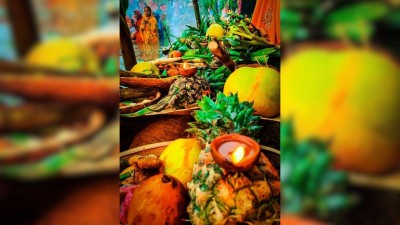
On reaching the ghat, offerings are arranged on the riverbank. A small altar is made using a soop (bamboo winnow) filled with fruits, thekua, and flowers. Diyas are lit and placed around the area. As the Sun begins to set, devotees stand barefoot in the water, preparing to offer Arghya with folded hands and a peaceful heart.
Step 3 – Offering Arghya to the Setting Sun
When the Sun lowers toward the horizon, the main ritual begins. Devotees pour water slowly from their palms or copper vessels while chanting Surya Mantras. The flowing water catches the golden sunlight, symbolizing the offering of life and energy back to its source. Diyas are released on the water’s surface, glowing softly as prayers continue.
Step 4 – Performing Aarti and Prayers
The ceremony concludes with aarti to Surya Dev and Chhathi Maiya. Families sing devotional songs and express gratitude for life’s blessings. The moment carries deep emotion—an experience of peace and divine connection. Devotees seek good health, family harmony, and spiritual strength before returning home.
Chhath Puja rituals vary slightly across India, reflecting regional traditions:
Across all states, women play a sacred role, observing the fast and leading the rituals. The songs and customs passed down through generations preserve India’s spiritual and cultural heritage.
Beyond the external ritual, Sandhya Arghya teaches humility and acceptance. The setting Sun represents reflection—the ability to pause, look within, and find gratitude. Offering water at dusk is symbolic of surrendering the ego, trusting that every ending leads to a new beginning.
As diyas float on the water, they carry not only light but the collective prayers of millions. The river becomes a mirror of devotion, where human faith meets divine grace.
Performing Sandhya Arghya on Chhath Puja 2025 is more than a tradition; it is a heartfelt offering of faith, patience, and gratitude. Every chant, every diya, and every act of purity strengthens the bond between humanity and nature.
When you stand in the water with folded hands, watching the Sun fade into the horizon, remember that the divine light you worship outside is the same that shines within.
May this Chhath Puja bring peace, prosperity, and health, and may Surya Dev and Chhathi Maiya bless your home with lasting happiness.