Sign In
By signing in or creating an account, you agree with Associated Broadcasting Company's Terms & Conditions and Privacy Policy.
By signing in or creating an account, you agree with Associated Broadcasting Company's Terms & Conditions and Privacy Policy.
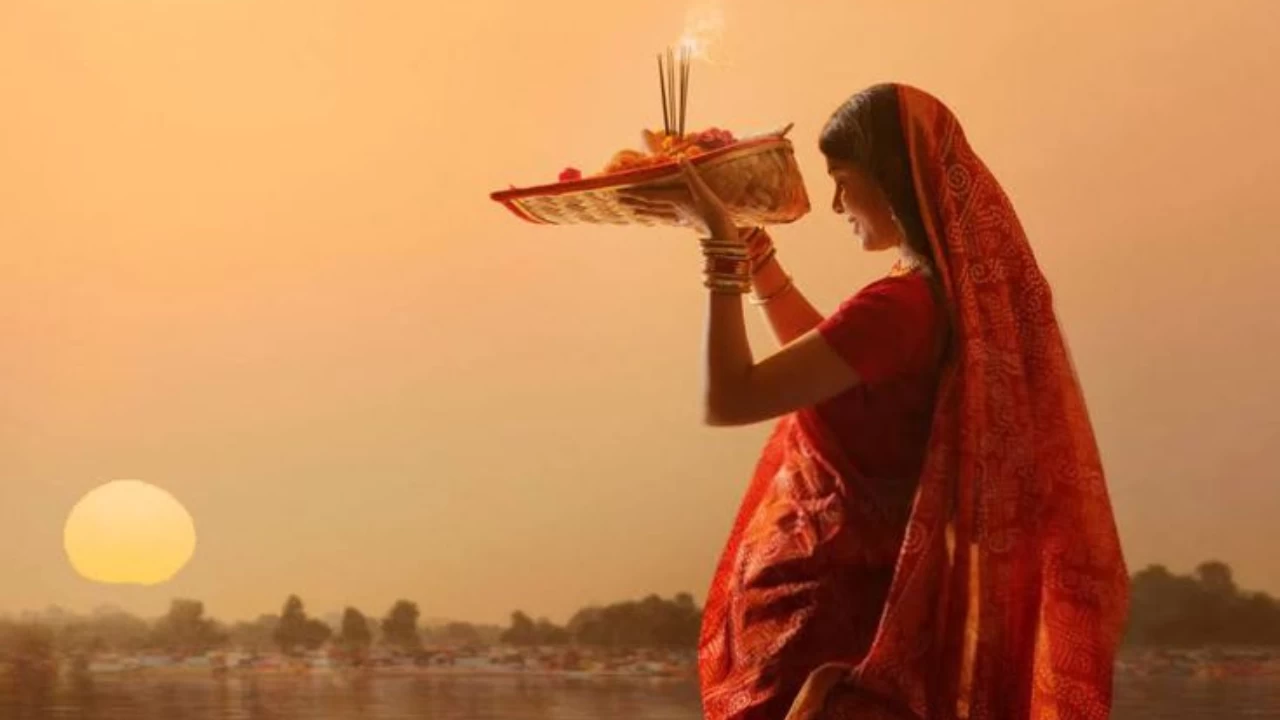
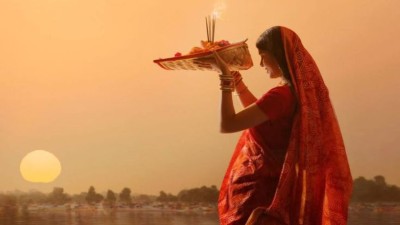
New Delhi: Chhath Vrat is one of the most sacred fasts in India, especially in Bihar, Jharkhand, Uttar Pradesh, and Nepal. It is a festival of devotion, gratitude, and self-discipline, where women are the main devotees. They observe strict fasting and perform rituals to honour Lord Surya (Sun God) and Chhathi Maiya.
1. Women observe Chhath Vrat to seek blessings for their family’s health, prosperity, and protection.
The fast symbolises gratitude towards nature and the Sun, which sustains life. It is also a time for spiritual purification and mental clarity.
2. Honoring Chhathi Maiya
Chhathi Maiya, the goddess of protection and nurturing, is central to Chhath Vrat. Women offer prayers to her for guidance, emotional strength, and family well-being. Observing the fast strengthens the bond between devotees and the divine.
3. Devotion to the Sun God
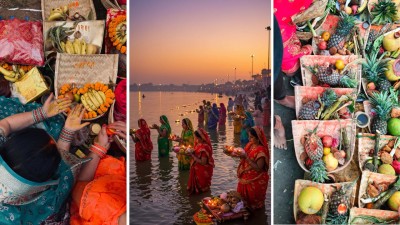
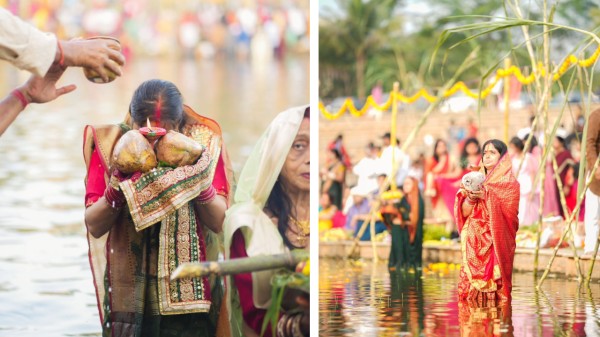
Lord Surya, the Sun God, is the source of energy and life. Women offer water (Arghya) to the Sun at sunrise and sunset, showing respect, gratitude, and reverence. This act also reminds devotees of the balance between humans and nature.
4. Discipline and Inner Strength
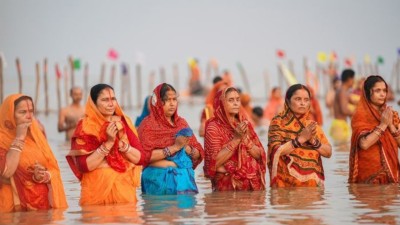
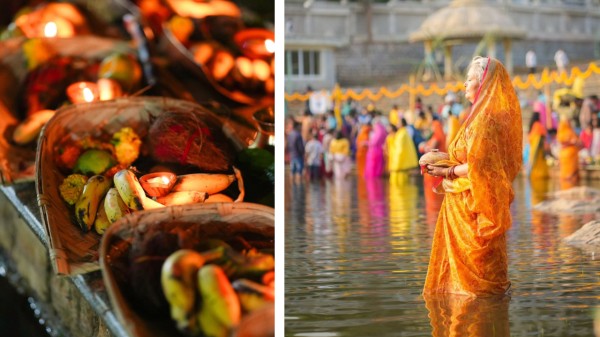
Chhath Vrat is observed with strict fasting, sometimes without water (Nirjala Vrat). Standing in rivers during Arghya, preparing offerings, and performing rituals require physical endurance and mental focus.
Through these practices, women develop patience, resilience, and mindfulness.
Observing Chhath Vrat has deep emotional and spiritual significance.
It cultivates gratitude, devotion, and selflessness, bringing inner peace. Women performing the fast feel a strong connection with the divine and their family’s well-being.
1. Connection with Nature
The fast also emphasises the importance of natural forces. By offering prayers to the Sun, women honour the energy and life force that sustains all living beings. Chhath Vrat encourages awareness of environmental harmony.
2. Community and Tradition
Chhath Vrat is also a cultural celebration. Women gather along rivers and ponds, perform rituals together, and guide younger generations. The festival strengthens family bonds, community ties, and cultural heritage.
Women observe Chhath Vrat as a sacred act of devotion, care, and gratitude. The fast represents love for family, respect for nature, and spiritual discipline. Through this sacred ritual, women honor life, inspire resilience, and foster harmony. Chhath Vrat is not just a festival—it is a celebration of faith, devotion, and gratitude that continues to inspire generations.