Legendary Somnath gets #9 position in most searched destination in 2025: Explore its ancient temple now
Discover Somnath Temple's divine seaside beauty where ancient history meets spiritual serenity. Plan your perfect pilgrimage with easy travel tips, darshan timings, and nearby attractions for an unforgettable journey to Gujarat's sacred Jyotirlinga shrine.
Ancient Somnath temple travel guide – 9th searched destination in 2025
Credit:Pinterest
Ananya Sarma |
Updated on:
Dec 08, 2025 | 12:38 PM
Share
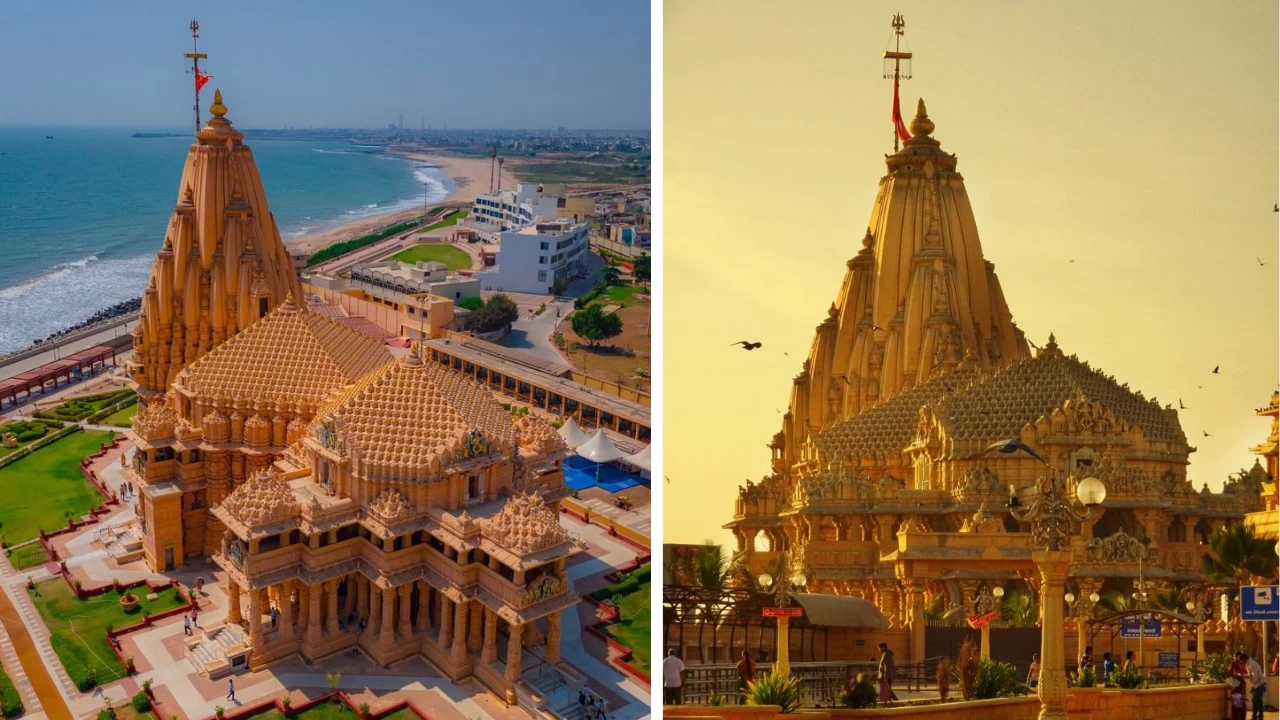
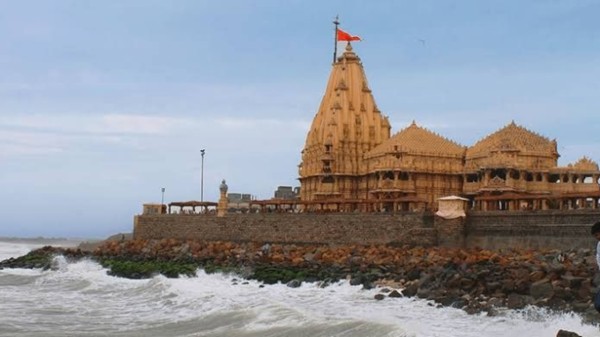
New Delhi: Somnath Temple stands as a shining beacon among the best pilgrimage sites in India, captivating millions with its spiritual aura and historic grandeur. In 2025, Somnath, home to the revered Somnath Temple, has emerged as the 9th most searched destination according to Google’s Year in Search. This coastal town in Gujarat is not only a spiritual hotspot but also a scenic retreat, blending faith with oceanfront beauty. If you’re exploring the best pilgrimage sites in India or seeking the best temples to visit in India, Somnath offers an immersive experience that connects history, devotion and nature.
As one of the popular pilgrimage sites to visit in winter, Somnath attracts thousands keen to witness its divine aura and tranquil surroundings. With the Somnath Temple itself standing tall among the top temples in India, this travel guide to Somnath will walk you through the temple’s legacy, its fame, and the must-visit places within and around this iconic destination, ideal for any must-visit temple in 2025 itinerary.
Somnath Temple is revered as one of the twelve Jyotirlinga shrines of Lord Shiva, making it a central pilgrimage site for devotees across India.
2. Rich historical significance
With a recorded history of over 2000 years, it has witnessed numerous cycles of destruction and reconstruction, symbolising the resilience of Indian culture and faith.
3. Architectural grandeur
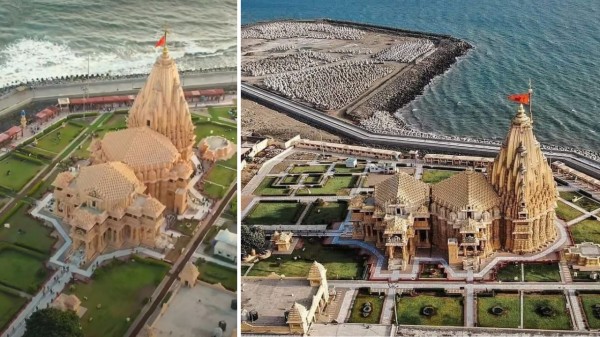
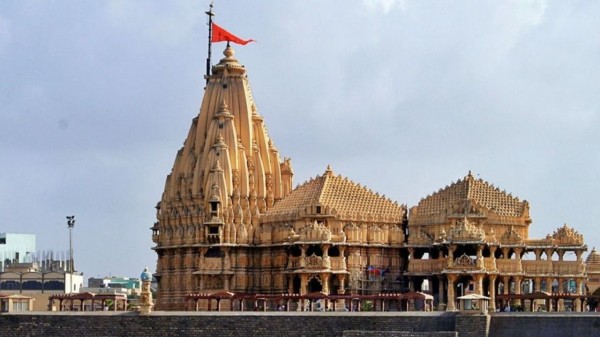
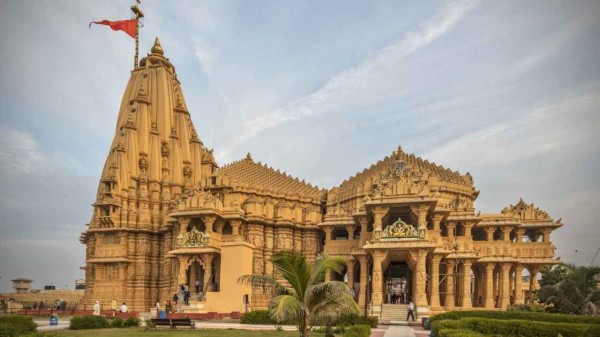
The temple showcases splendid Chalukyan craftsmanship with intricately carved pillars and a grand spire, captivating visitors interested in temple architecture and heritage.
4. Spiritual energy and rituals
Daily aartis, festivals, and special pujas attract thousands who believe in the temple's potent spiritual atmosphere and blessings for prosperity and peace.
5. Coastal location and mythological importance
Situated on the Arabian Sea coast, it is linked to several Hindu legends, including its association with the Moon God, enhancing its mystical appeal.
Built by the Moon God: Legend states the original temple was constructed by Chandra (Moon God) using gold after he regained his lustre here by bathing at Triveni Sangam, making it spiritually potent.
Destroyed 17 times: Somnath faced invasions by Mahmud of Ghazni (1025 AD), Alauddin Khilji, Muzaffar Shah and Aurangzeb, yet rebuilt each time symbolising unyielding faith and resilience.
Reconstructed by Sardar Patel: Post-independence in 1951, Vallabhbhai Patel oversaw rebuilding in Chalukya style by Sompura Salats, with President Rajendra Prasad installing the Jyotirlinga on 11 May.
No shikhara shadow mystery: The temple's towering shikhara casts no shadow at noon throughout the year due to its unique astronomical alignment, a marvel noted in ancient texts.
Linked to Krishna's departure: Nearby Bhalka Tirth marks where Lord Krishna ended his earthly Lila after an arrow injury, connecting Somnath to Mahabharata legends and eternal divinity.
October to March: Ideal months with pleasant weather and mild winters, perfect for comfortable sightseeing and pilgrimages.
December to February: Popular winter months when many pilgrims visit due to cool climate and fewer crowds compared to summer.
Avoid monsoon (June to September): Heavy rains and humidity make travel and outdoor exploration challenging; best to avoid during this period.
Festive period: During Maha Shivratri and other Hindu festivals, the temple is vibrant but crowded; plan accordingly if you enjoy festive rituals.
Early mornings: Visiting early helps avoid crowds and offers peaceful experiences with morning aartis and temple ceremonies.
Darshan hours: Open daily from 6:00 AM to 9:00/10:00 PM for continuous worship and rituals.
Morning Aarti (Mangala): 7:00 AM, a divine start with chants and lamps for early devotees.
Noon Aarti (Rajbhog): 12:00 PM, midday offering with special prasad distribution.
Evening Aarti (Sandhya): 7:00 PM, vibrant ceremony as the sun sets over the Arabian Sea.
Sound and Light Show: 8:00 PM to 9:00 PM daily, narrating the temple's epic history.
1. Savlaksha Bilva Pooja
One-day yagna with 100,000 bilva leaf offerings to Lord Somnath, believed to eradicate poverty, diseases and enemies while fulfilling desires.
2. Rudrabhishek
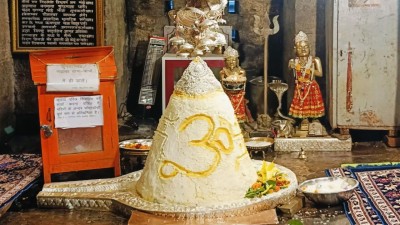
Sacred bathing of the Shivling with milk, curd, ghee, honey and sugar during daily/special pujas, invoking Shiva's blessings for health and prosperity.
3. Shrungar Pooja
Adorning the deity with flowers, jewels and fragrances on special days, seeking divine grace and beauty in life through elaborate rituals.
4. Maharudra Paath
Chanting of Rudra hymns for longevity, wealth, progeny and disease removal, a powerful Vedic recitation performed by priests.
5. Deepmala
Evening offering of lamp series for knowledge enlightenment, eye health and dispelling life's darkness, creating a divine glowing ambiance.
1. Bhalka Tirth
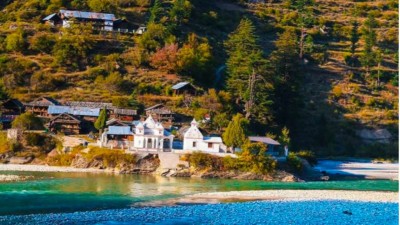
Sacred site where Lord Krishna was struck by an arrow from hunter Jara, marking his departure from earth; features a footprint and serene temple for reflection.
2. Triveni Sangam
Holy confluence of Hiran, Kapila and Saraswati rivers near the sea, ideal for ritual dips and evening aarti with spiritual chants and river views.
3. Panch Pandav Gufa
Ancient cave where Pandavas meditated during exile, believed to house a self-manifested Shivling; a peaceful spot for history and devotion lovers.
4. Somnath Beach
Pristine Arabian Sea shore with sparkling waves, perfect for sunrise walks, meditation and sunset views right by the temple's coastal backdrop.
5. Prabhas Patan Museum
Exhibits ancient sculptures, coins and temple relics from invasions, offering insights into Somnath's 2000-year history near the main shrine.
1. Diu Island & Nagoa Beach
Coastal Union Territory known for Portuguese-era forts, churches and clean beaches; around 80–85 km from Somnath by road, taking roughly 2–2.5 hours.
2. Gir National Park (Sasan Gir)
Famous for Asiatic lions, leopard and wildlife safaris; distance from Somnath is about 40–45 km, roughly 1–1.5 hours by cab.
3. Chorwad Beach
Quiet, less crowded beach ideal for sunset views and photography; located approximately 25 km from Somnath, accessible within 40–45 minutes by road.
4. Sana Caves
Ancient rock-cut caves with Buddhist influences, perfect for history buffs; around 50 km from Somnath, usually 1–1.5 hours' drive.
5. Gangeshwar Mahadev Temple, Diu
Seaside Shiva temple with five lingams washed by Arabian Sea waves; roughly 60–65 km from Somnath, taking around 1.5–2 hours to reach.
By air: Fly into Diu Airport (DIU, 85 km, 2 hrs drive) or Rajkot Airport (200 km, 4-5 hrs); Porbandar Airport (90 km, 2 hrs) also connects via IndiGo/Air India from major cities.
By train: Prabhas Patan Railway Station (1 km) or Veraval Station (5 km) served by daily trains from Ahmedabad, Mumbai, Delhi; taxis available right outside.
By road from Ahmedabad: 400 km via NH47, 7-8 hrs drive; Gujarat SRTC buses or private taxis/cabs cost Rs 500-3,000 one-way.
By road from Dwarka: 230 km, 5 hrs via NH947; popular combo pilgrimage route with scenic coastal views and frequent bus services.
Local transport: Auto-rickshaws (Rs 20-50), shared taxis or temple shuttle from Veraval/Somnath bus stand to temple (free/ low-cost).
Dress modestly: Wear traditional attire like sarees/kurtas; cover shoulders/knees as it's an active temple – no shorts or revealing clothes allowed.
Carry ID proof: Aadhaar/Passport required for darshan entry and hotel check-ins; keep originals handy for security checks.
Book accommodation early: Winter sees high pilgrim footfall; reserve hotels/guesthouses 2-3 weeks ahead near temple area.
Best visiting hours: Arrive early (6-9 AM) to avoid crowds; carry water, light snacks and comfortable walking shoes for long queues.
Cash and mobile rules: Temple restricts phones/cameras inside; ATMs available but carry Rs 500-1,000 cash for small vendors and donations.
1. Lords Inn Somnath (mid-range): Close to the temple, AC rooms, veg restaurant; Rs 4,000–6,000/night. Good for families.
2. The Fern Residency Somnath (mid-upper): Modern rooms, breakfast included; Rs 5,500–8,000/night. Ideal for couples.
3. Hotel Somnath Atithigruh (budget): Clean basic rooms near shrine; Rs 1,500–3,000/night. Perfect for pilgrims.
4. Lords Plaza, Veraval (mid-range): Near station, reliable amenities; Rs 3,500–5,500/night. Great for train travellers.
Somnath’s timeless allure as the 9th most searched destination in 2025 cements its place among the best pilgrimage sites in India, blending profound spirituality with coastal serenity. Plan your visit to this must-visit temple in 2025 for an enriching journey through faith, history and Gujarat’s sacred landscapes that leaves every devotee transformed.