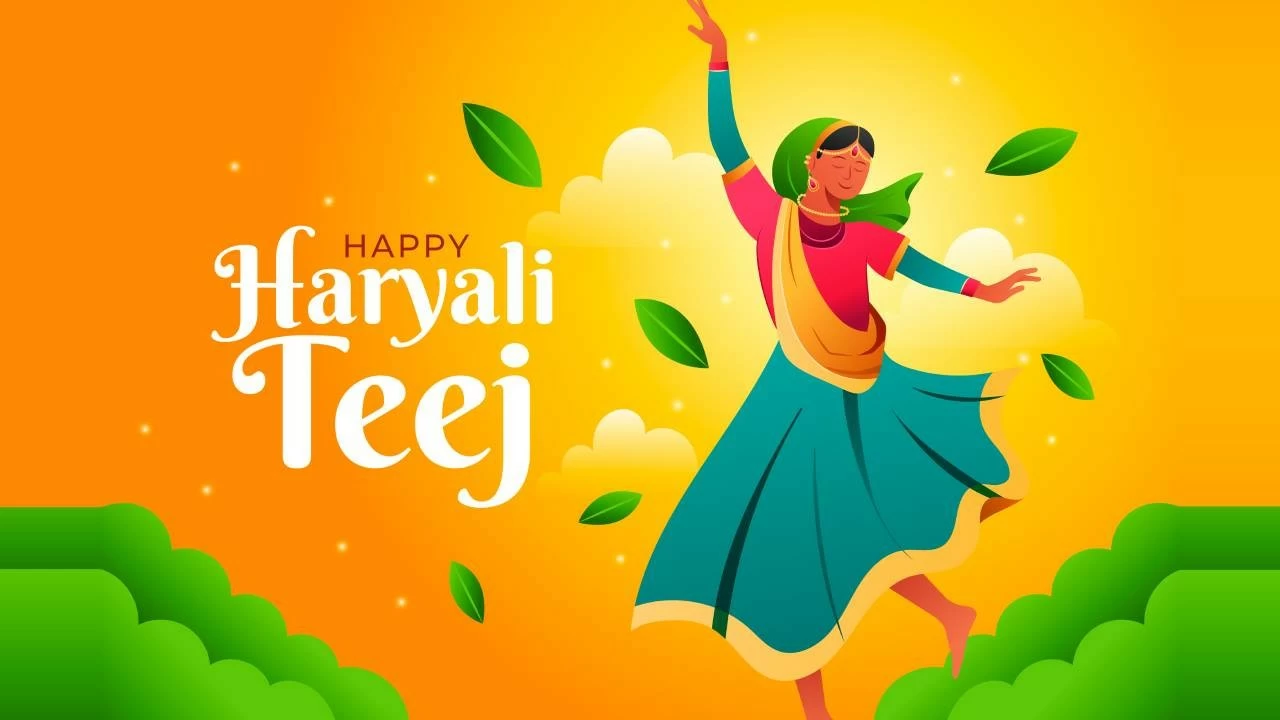
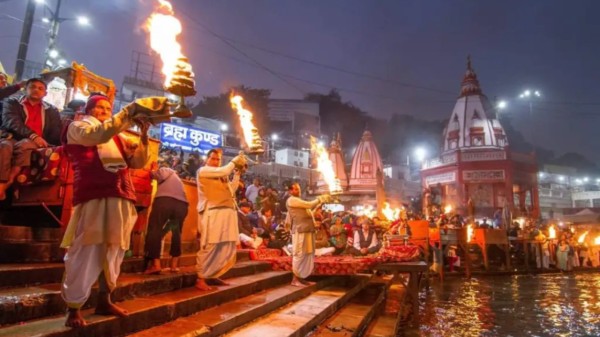
Hariyali Teej is a beautiful festival that celebrates love and the beauty of nature. The festival takes place during the monsoon season, when everything around turns green and fresh. In many parts of North India, particularly in Rajasthan, Uttar Pradesh and Bihar, the day is marked by joy and tradition.
On this day, women wear green clothes, apply mehendi (heena) on their hands and also participate in traditional songs and swings. Women visit their parents' homes and celebrate together with friends and family.
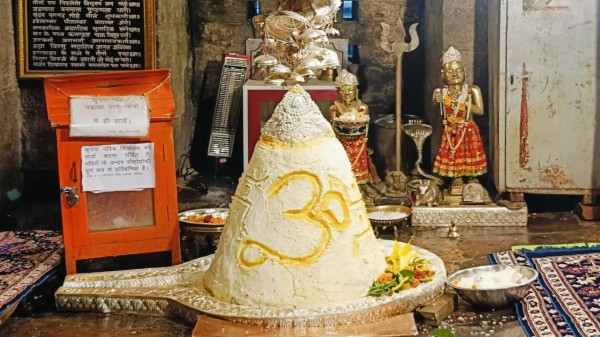
Temples are decorated with flowers and devotees offer prayers to Goddess Parvati. It is a festival that brings happiness to hearts and spreads the message of love and devotion.
Hariyali Teej is also a time to celebrate a spiritually significant festival. But do you know the history of Hariyali Teej? Let us find out in this article.
What is Hariyali Teej?
Before we delve into history, let us first understand what Hariyali Teej is.
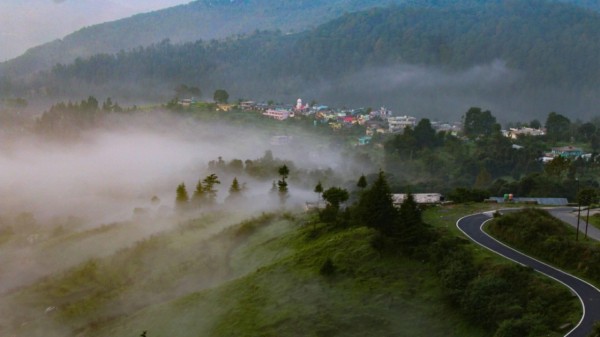
Hariyali Teej is an ancient Hindu festival. It usually takes place in the month of Shravan, which is during the monsoon season.
The term "Hariyali" means greenery, which represents the lush landscape during the first rains. "Teej" means "third", referring to the third day of the Shukla Paksha. This day commemorates the occasion when Lord Shiva married Goddess Parvati, making it a spiritually significant event.
In North India, Hariyali Teej is celebrated by women through fasting, prayers, songs, dances, and the wearing of green clothing as a symbol of good luck, fertility and nature.
The Story of Lord Shiva and Goddess Parvati
The story of Lord Shiva and Parvati explains why we celebrate Hariyali Teej. It teaches us about devotion, determination, and the unity of souls.
Devi Parvati: Re-Birth and Resolution
Parvati was the daughter of King Himalaya and was destined to marry Lord Shiva. However, Shiva was deeply saddened by the death of Sati (first wife of Lord Shiva) and withdrew into meditation, ignoring everything, even the other gods.
Parvati (re-birth of Devi Sati) believed that she could awaken Shiva not through strength but through devotion. For years, she focused on Lord Shiva, dedicating her time to meditation, unaffected by day or night.
Lord Shiva and Devi Parvati: Test and Acceptance
Because of her commitment, Lord Shiva decided to test her and disguised himself as a sage and pretended to scold her for wanting to marry him, claiming he was a homeless and unattractive man.
Parvati stayed strong in her beliefs and defended Shiva's greatness. This impressed Shiva, who then revealed his true form. After that, he married Parvati.
Their marriage symbolises the balance of consciousness (Shiva) and energy (Shakti). This union occurred on the third day of the Teej festival in Shravan, now known as Hariyali Teej.
What is the Spiritual Significance of Hariyali Teej?
Hariyali Teej is not just a festival; it is also a time for spiritual reflection and introspection. It represents:
- Spiritual Power: Parvati's sacrifice shows that love based on spiritual strength can overcome challenges.
- Sacred Union: The union of Shiva and Shakti represents balance between action and stillness.
- Devotion Path: Devotion (Bhakti) is a powerful force that can be stronger than desire.
Hariyali Teej teaches that prayer, patience and faith can influence the divine.